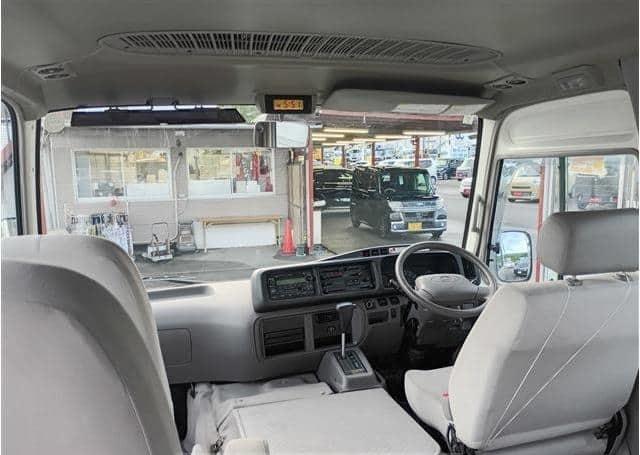
The HINO LIESSE (LX29) is a compact, diesel-powered minibus commonly used for shuttles, small school runs, and commercial passenger work. A 2008 model typically sits well down the depreciation curve, so upfront acquisition cost is often lower than newer vehicles—but ongoing ownership costs can vary widely depending on mileage, operating environment, and maintenance history. This summary gives a market-neutral view of the main cost centers and what you should expect over a year of ownership.
Key cost categories
1. Fuel & consumption
Most 2008 HINO Liesse models use a small diesel engine designed for durability rather than economy. Typical real-world fuel consumption is in the range of roughly 6–10 km/L (14–24 mpg US) depending on load, driving style and urban vs. highway use. Annual fuel cost depends mostly on miles driven and local diesel prices. To estimate: multiply your annual kilometers by 1 / (km per liter) to get liters used, then multiply by local fuel price. For rough planning, expect fuel to be one of the single largest ongoing expenses for frequent or heavy use.
2. Routine maintenance
Routine items include oil and filter changes, fuel filters, air filters, coolant, periodic belts, and tune-ups. For a vehicle of this age, additional preventive work (e.g., transmission fluid service, suspension bushings, and brake system inspection) should be budgeted. Typical annual routine maintenance for a working minibus can range from low (if lightly used and well-maintained) to a few hundred to around 1,500 (expressed in widely understood currency units, e.g., USD) per year for moderate use—again, this varies by market and labor rates.
3. Repairs and component replacement
Older commercial vehicles can require intermittent significant repairs: turbocharger failure, diesel injection pump service, EGR/DPF cleaning or replacement (if fitted), clutch or gearbox repairs, and major cooling system work. Expect occasional larger bills (several hundred to several thousand) over the year if you run the vehicle hard. A prudent owner budgets an annual allowance for unexpected repairs—many fleet managers use 5–10% of vehicle value per year as a reserve, although older vehicles can be more variable.
4. Tires, brakes, and consumables
The Liesse uses light commercial tires; these wear faster under heavy loads and frequent stop-start city driving. A full set of replacement tires can be a material cost—plan for replacing tires every 30,000–60,000 km depending on use. Brake pads, discs, and drums are regular-service items. Small consumables (wiper blades, bulbs, batteries) should be expected annually.
5. Insurance, taxes, and inspections
Insurance premiums and road taxes depend heavily on country, vehicle use (commercial vs. private), and declared seats. Insurance can be quoted as a percentage of insured value or as an annual premium; for older vehicles the premium may be lower but commercial use and passenger carriage often increases rates. Many jurisdictions require periodic inspections or emissions tests—allow for modest annual inspection fees and possible remediation if the vehicle fails.
6. Depreciation and resale
By 2008, most of the sharp depreciation has already occurred. Residual value will fall more slowly, but factors like corrosion, accident history, and maintenance records drive resale. If you plan to use the minibus commercially, consider the cost of reconditioning if you plan to sell later—seat repairs, interior cleaning, and bodywork can materially influence sale price.
Common trouble spots for a 2008 Hino Liesse
Diesel injection system: injectors and pumps can require service or replacement at higher mileages.
Turbocharger and intercooler issues (if turbocharged): watch for loss of power and oil smoke.
Cooling system: hoses, radiator and water pump failures increase with age.
Clutch and transmission wear: especially with heavy urban stop/start work.
Corrosion/rust: check chassis and door sills in wet or salted-road climates.
Electrical gremlins: switches, lighting, and door mechanisms may need attention.
Interior wear: seats, floor coverings and fittings degrade quicker in passenger service.
Parts availability and workshop expertise
Hino is generally well-supported in many markets, but availability of specific parts for a 2008 Liesse can vary by region. In some markets you’ll find genuine Hino parts, in others you may rely on aftermarket or used parts. Independent diesel-specialist workshops and light-commercial mechanics can handle most work; if your area has few Hino specialists, expect higher labor times as technicians source parts or adapt alternatives.
Simple annual cost checklist (market-neutral way to estimate)
Fuel: calculate based on distance ÷ fuel economy × local price.
Routine maintenance: budget a base allowance for scheduled service and filters.
Repairs reserve: set aside a contingency fund (e.g., 5–10% of vehicle value annually).
Tires & brakes: plan for cyclic replacement based on your mileage profile.
Insurance & registration: check local rates for passenger-carrying commercial vehicles.
Inspection and emissions: include test fees and any remedial costs if the vehicle fails.
How to tighten your estimate
To give tailored numbers I need your region (country or city), typical annual mileage and the vehicle’s current odometer and condition (for example: well-maintained with full service history, used for heavy urban duty, etc.). With that I can convert the ranges above into local-currency estimates and a projected yearly budget that matches your operating profile.
Final thoughts
A 2008 Hino Liesse LX29 can be a cost-effective choice for small passenger applications because of its lower purchase price and rugged basic engineering. However, owners should plan for significant variable operating costs—particularly fuel, occasional major repairs, and wear from passenger service. The keys to economical ownership are diligent preventive maintenance, careful attention to diesel-system health, and budgeting a repair reserve. If you share your region and odometer, I’ll refine the cost ranges into a tighter, localized projection.
FAQs
Q: How much should I expect to pay for a major repair like a turbo or injection pump?
A: Costs vary by region and whether you use new, refurbished, or used parts. As a ballpark, major diesel-system repairs can range from a few hundred to several thousand in widely understood currency units. Labor rates and parts sourcing are the largest variables.
Q: Is the 2008 Hino Liesse fuel-efficient?
A: It is reasonable for a small commercial minibus but not class-leading. Expect roughly 6–10 km per liter (14–24 mpg US) in mixed conditions—actual results depend on load, driving style, and maintenance.
Q: Are spare parts easy to find?
A: In many markets Hino parts are widely available; in some regions you may need to rely on aftermarket suppliers or used parts. Check local suppliers and workshops before purchase.
Q: Should I get a professional inspection before buying?
A: Yes. A pre-purchase inspection by a diesel specialist or commercial vehicle technician will help identify imminent expenses (corrosion, engine issues, transmission/clutch condition) and give negotiating leverage.
Q: How can I lower ownership costs?
A: Maintain a strict preventive service schedule, drive conservatively, avoid overloading, keep records of repairs, and choose reputable parts and technicians. Regularly cleaning and servicing fuel and air systems will prolong major components.
If you want numbers tuned to your country, typical mileage or the vehicle’s condition, tell me your region and current odometer and I’ll tighten the estimates.
This concise guide summarizes what owners commonly like, commonly complain about, and practical, real‑world tips for buying, owning, and maintaining a HINO LIESSE II minibus from around 2010. What Owners...
The HINO LIESSE II LXHR 2019 is a modern coach engineered to offer comfort and efficiency for long-distance travel. In the context of Uganda’s diverse terrain, from well-maintained highways to...
The 2010 HINO LIESSE GX is a compact, versatile minibus platform used for school runs, shuttle services, tourism and light commercial passenger tasks. Whether you’re buying a used example, specifying...
The HINO LIESSE II 2016 model is engineered for durability and comfort, making it a potential choice for long-distance travel in Uganda’s diverse landscapes. Its robust build and reliable performance...
Family owned dealership of new and pre-owned vehicles with several locations across the Uganda. Lowest prices and the best customer service guaranteed.
You're almost there, select at least one more to compare!
We use cookies to ensure that we give you the best experience on our website. If you continue to use this site we will assume that you are happy with it.
You can revoke your consent any time using the Revoke consent button.