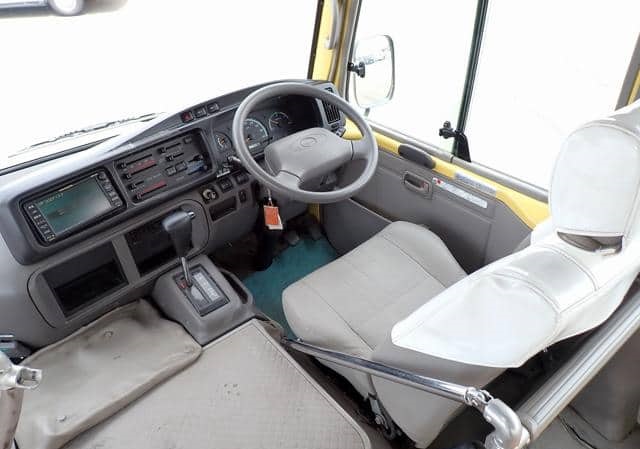
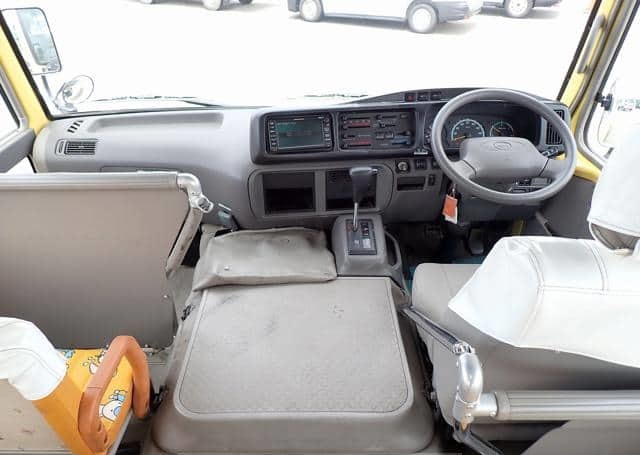
This concise guide summarizes what owners commonly like, commonly complain about, and practical, real‑world tips for buying, owning, and maintaining aHINO LIESSE II minibus from around 2010.
What Owners Commonly Like
Durability and build quality: Many owners praise the Liesse II for a robust chassis and reliable drivetrain components. When well maintained, these buses can run for many hundreds of thousands of kilometers.
Driver visibility and ergonomics: The upright windshield and high driving position give good forward visibility, which drivers appreciate on routes with frequent stops and tight turns.
Simple, serviceable mechanicals: The engine and transmission designs are straightforward compared with modern highly computerized systems, which makes DIY troubleshooting and ordinary repairs easier in many regions.
Flexible interior layout: The Liesse II is commonly used for shuttle work, school runs and light commercial passenger duties because seats and flooring can be adapted or replaced reasonably easily.
Reasonable operating economy: For a light bus, fuel consumption and daily operating cost are often cited as favorable when vehicles are kept in good mechanical condition.
What Owners Commonly Complain About
Age-related corrosion: Body panels, door sills and chassis members can suffer rust, especially in regions that use road salt or where water and mud collect in the undercarriage.
Cabin comfort and noise: Older Liesse II models can be noisy compared with modern minibuses. Road vibration and engine/driveline noise are common complaints, as is basic passenger comfort on long runs.
Air conditioning and heater issues: AC units on older vehicles can be underpowered or prone to leaks and compressor failure, and replacement parts can be costly in some markets.
Electrical gremlins: Age-related issues with wiring, lighting, door controls and dashboard switches are common—especially on high-mileage examples.
Parts availability variability: In markets without strong HINO/TOYOTA dealer support, specific body and trim parts can be harder to source and sometimes expensive.
Practical Real‑World Tips for Buying
When considering a used Liesse II (circa 2010), take these practical steps to reduce risk and ensure a good purchase:
Inspect for structural rust: Check chassis rails, crossmembers, door sills, wheel arches and under-floor areas for rust-through or previous poor repairs. Surface rust is common; deep rust is a deal breaker.
Check service history: Request maintenance records for oil changes, coolant and transmission service, brake work and any major repairs. Consistent service history is a strong positive indicator.
Engine and driveline checks: Look for oil leaks, coolant leaks and excessive smoke at startup or during acceleration. Listen for abnormal noises from the engine or transmission and confirm smooth gear changes.
Test the doors and accessibility equipment: If the unit has lift mechanisms, sliding doors or ramps, operate them repeatedly and verify wiring and hydraulic/pneumatic lines are sound.
Inspect the interior: Look for water stains, soft flooring or seat mounting corrosion—these indicate past water ingress which can lead to hidden rot and electrical trouble.
Get a compression/leakdown check: Higher-mileage diesels benefit from a compression test to assess cylinder health. This will reveal whether an engine rebuild might be imminent.
Confirm VIN and recalls: Verify the VIN and check for any outstanding recalls or service bulletins applicable to the model year in your region.
Owning and Maintaining — Practical Advice
Routine, preventive maintenance is the key to keeping a Liesse II dependable and economical. Recommended practices:
Follow conservative oil-change intervals: Diesel engines are durable but benefit from regular oil and filter changes—commonly every 5,000–10,000 km depending on operating conditions. Use the oil grade recommended by Hino.
Change fuel and air filters regularly: Fuel filters and air filters prevent premature injector and turbo wear—replace them per the service schedule or sooner in dusty environments.
Service the cooling system: Replace coolant and hoses on recommended intervals, and inspect for leaks. Overheating is a leading cause of costly repairs in older buses.
Monitor the transmission and clutch: For manuals, watch for clutch slip and abnormal pedal travel; for automatics, ensure transmission fluid/service is performed at intervals to extend life.
Prevent and treat rust: Keep the undercarriage clean and apply rust protection to vulnerable spots. Repair any paint damage promptly to avoid corrosion spreading.
Maintain HVAC and electrical systems: Clean drains, check blower motors and refresh refrigerant as needed. Address electrical faults early to avoid cascading problems.
Keep spares and a trusted mechanic: Stock common consumables (filters, belts, bulbs, fuses) and find a mechanic familiar with Hino/Toyota diesel systems.
Cost Considerations
Long-term costs depend on how the vehicle was used previously (urban stop‑start vs highway), whether corrosive environments were involved, and the availability of parts and skilled labor locally. Budget for an initial inspection and immediate preventive items (fluids, filters, brake check, minor rust repairs) when purchasing a used unit.
Final thoughts
The HINO LIESSE II (circa 2010) is a practical, robust choice for light passenger transport if you prioritize durability, straightforward mechanicals and flexible interior layouts. Its downsides are mostly age-related—corrosion, cabin noise, HVAC and electrical wear—so careful pre-purchase inspection and steady preventive maintenance are essential. With proper care and attention to common trouble spots, a well-maintained Liesse II can provide many years of cost‑effective service.
Frequently Asked Questions (FAQs)
Q: What fuel economy can I expect?
A: Fuel consumption varies by configuration and duty cycle, but expect moderate diesel efficiency typical of light minibuses—usually better than heavier coaches but worse than passenger vans. Keep filters clean and the engine well‑tuned to maximize economy.
Q: Are parts for the Liesse II easy to find?
A: Availability depends on region. In markets with Hino or Toyota dealer support parts are generally obtainable. In other areas, you may rely on aftermarket suppliers, salvaged parts, or compatible Toyota items where applicable.
Q: How long can these buses last?
A: With diligent maintenance and rust control, diesel Liesse II units commonly last several hundred thousand kilometers. Engines and gearboxes can be long-lived if not abused.
Q: Is a professional inspection necessary before buying?
A: Yes—get a professional inspection focused on chassis rust, engine health (compression/smoke), transmission behavior, brakes, and HVAC/door systems to avoid expensive surprises.
Q: Can the interior be converted for other uses?
A: The Liesse II’s flexible platform makes it suitable for conversions (shuttle, camper, office, or light cargo) but factor in weight distribution, safety, and local vehicle regulations.
Q: What are the most common immediate maintenance items on a used example?
A: Change engine oil and filters, replace fuel and air filters, inspect and refresh coolant and brake fluids, check tires and suspension bushings, and address any rust or soft flooring.
The HINO LIESSE II LXHR 2019 is a modern coach engineered to offer comfort and efficiency for long-distance travel. In the context of Uganda’s diverse terrain, from well-maintained highways to...
The 2010 HINO LIESSE GX is a compact, versatile minibus platform used for school runs, shuttle services, tourism and light commercial passenger tasks. Whether you’re buying a used example, specifying...
The HINO LIESSE II 2016 model is engineered for durability and comfort, making it a potential choice for long-distance travel in Uganda’s diverse landscapes. Its robust build and reliable performance...
This consolidated guide provides practical notes and checklists for evaluating, buying, financing, insuring, budgeting for, and protecting the long‑term value of a 2005 HINO LIESSE minibus/van. Use it as a...
Family owned dealership of new and pre-owned vehicles with several locations across the Uganda. Lowest prices and the best customer service guaranteed.
You're almost there, select at least one more to compare!
We use cookies to ensure that we give you the best experience on our website. If you continue to use this site we will assume that you are happy with it.
You can revoke your consent any time using the Revoke consent button.