

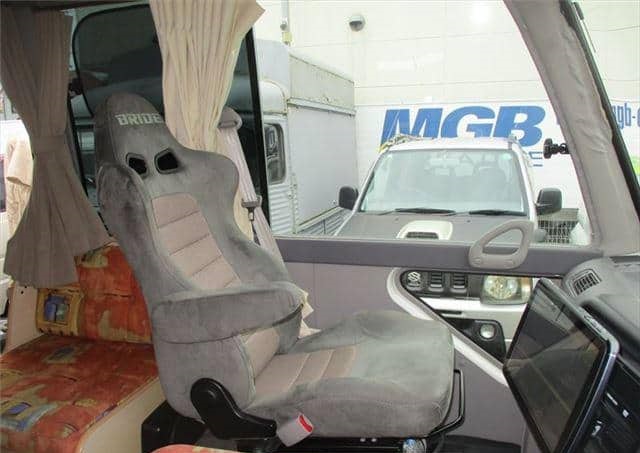
The 2010 HINO LIESSE GX is a compact, versatile minibus platform used for school runs, shuttle services, tourism and light commercial passenger tasks. Whether you’re buying a used example, specifying vehicles for a fleet, or planning upgrades for comfort, safety, handling and everyday usability, this guide walks through the key decisions and checks to help you choose the right spec and get the most value from your purchase.
Start with the intended role
Define what the bus will spend most of its life doing. Short suburban runs, long intercity journeys, wheelchair transport, or mixed-use duties all demand different priorities:
- Short urban/street routes: Focus on maneuverability, low-speed comfort, good heating/ventilation and driver visibility.
- Longer intercity runs: Prioritise passenger comfort (cushioned seats, climate control), ride isolation and robust drivetrain cooling.
- Accessibility/door-to-door services: Look for models with wheelchair ramps, tie-downs and wide doors, or plan for approved retrofit kits.
- Fleet shuttle use: Standardise items such as seating type, telematics and maintenance packages to reduce costs and downtime.
Comfort considerations
For passenger comfort, assess seating, HVAC, noise and interior ergonomics.
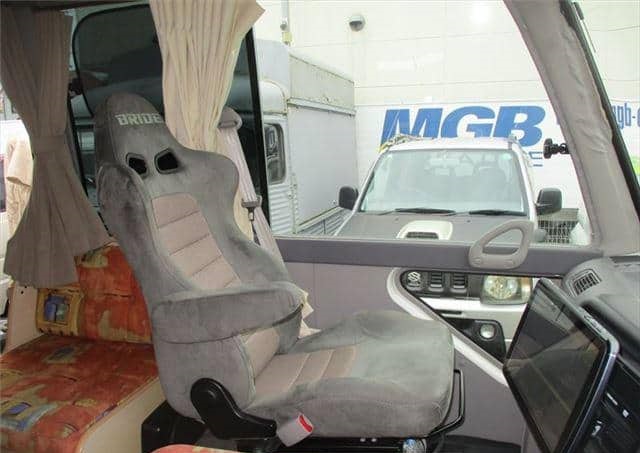
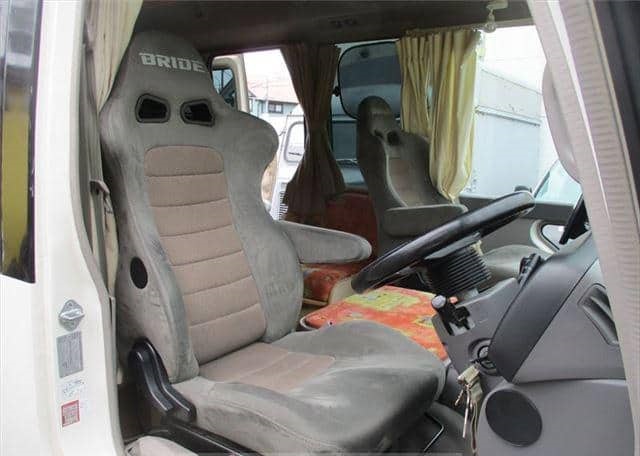
- Seating: Inspect cushion condition, frame integrity and mounting. Choose seats with good lumbar support for longer journeys. For fleets, select durable upholstery that balances comfort and cleanability.
- Heating and air conditioning: Ensure the HVAC system performs under load—aircon performance diminishes with age. Verify heater matrix and blower operation for winter use.
- Insulation and noise: Check door seals, panel condition and engine mount condition to reduce vibration and noise transfer into the cabin.
- Interior layout: Consider seat spacing, handrails, interior lighting and luggage space depending on passenger type and luggage requirements.
Safety essentials
Safety is non-negotiable. Inspect structural integrity and safety systems thoroughly.
- Brakes and tyres: Test braking performance and check for ABS operation if fitted. Verify tyre age, tread and matching sizes—replace tired or mismatched tyres.
- Seat belts and restraints: Ensure all seat belts are present, in good condition and correctly anchored. For wheelchair users, check tie-down systems and anchor points.
- Lights and signaling: Confirm headlights, brake lights, indicators and hazard lamps work reliably. Visibility and signaling are critical in passenger transport.
- Structural soundness: Examine the chassis, subframe and body for corrosion, especially at mounts and sills. Rust can compromise safety and repair costs quickly escalate.
- Driver aids and alarms: Consider reversing cameras, sensors, speed limiters or telematics for fleet safety monitoring. Many of these are economical retrofit options.
Handling and drivability
A well-handling vehicle reduces driver fatigue and improves passenger comfort.
- Steering and suspension: Check for play in steering, worn bushings, leaking shock absorbers and sagging springs. Replace worn suspension components to restore ride quality.
- Transmission and drivetrain: Ensure smooth gear changes (automatic or manual), check clutch condition and listen for gearbox noise. Look for leaks around transfer cases or differentials.
- Wheel alignment and tracking: Misalignment causes uneven tyre wear and poor handling—get a professional alignment if alignment or steering drift is noticed.
Daily-use and operational practicality
Think about uptime, serviceability and operating costs—especially for fleet buyers.
- Service history: A comprehensive service record reduces risk. Look for regular oil changes, coolant flushes and documented repairs.
- Parts and servicing: Confirm local availability of spare parts and qualified technicians. HINO parts are typically serviceable through dealer networks, but older models may require sourcing from aftermarket suppliers.
- Fuel economy and emissions: Diesel engines are common in this class. Verify the engine breathes cleanly and that emission-control equipment is intact if local regulations apply.
- Payload and GVW: Ensure passenger + luggage load does not exceed the vehicle’s rated capacity. Overloading accelerates wear on brakes, suspension and drivetrain components.
Pre-purchase inspection checklist
Before buying, perform these checks or have a trusted mechanic complete them:
- Full road test with load where possible.
- Engine compression and smoke test to spot worn seals or turbo issues.
- Brake efficiency test and measurements for disc/drum wear.
- Suspension and chassis inspection for corrosion, cracks and worn joints.
- Electrical systems test: lights, indicators, gauges, heater/AC and any passenger amenities.
- VIN and service history verification; check for past accident repairs or structural alterations.
Common upgrades worth considering
Upgrades can extend usefulness and improve comfort or safety.
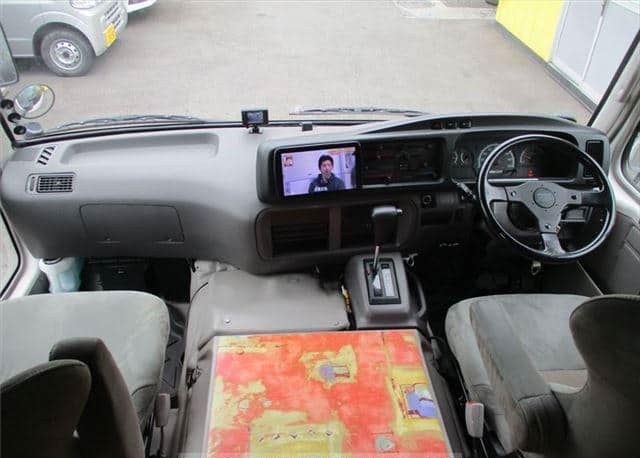
- Driver comfort: Ergonomic seat, steering column adjustment and improved instrumentation.
- Safety tech: Add reversing camera, parking sensors, dashcam, fleet telematics and passenger CCTV.
- Ride quality: Replace worn shocks/springs, consider upgraded bushings or anti-roll bars for improved stability.
- Passenger comfort: Modern HVAC retrofits, better seat cushioning and insulation for quieter cabins.
Maintenance and running costs
Budget for regular maintenance: oil and filter changes, transmission service, cooling system maintenance, brake servicing and tyre replacement. Factor in periodic bodywork to arrest corrosion on older frames and set aside funds for occasional component replacements (starter, alternator, turbochargers if fitted).
Final thoughts
Choosing the right spec for a 2010 Hino Liesse GX hinges on matching the vehicle’s configuration to its intended role while prioritising safety, reliability and operating economy. For used purchases, thorough inspections and service history verification are essential. For fleets, standardising spec, prioritising serviceability and investing in safety and telematics will lower long-term costs. Carefully chosen upgrades can modernise an older vehicle and improve passenger experience without prohibitive expense. With the right checks and thoughtful spec choices, a 2010 Liesse GX can be a dependable, comfortable and safe platform for many years of passenger service.
FAQs
Q: Is the Hino Liesse GX reliable for daily passenger work?
A: Yes—when properly maintained. Regular servicing, timely replacement of wear items (brakes, tyres, suspension) and attention to cooling and electrical systems keep these vehicles dependable.
Q: What are the most common problems to watch for on a 2010 model?
A: Typical issues include rust/corrosion on chassis/body mounts, aging suspension components, reduced HVAC performance, and wear-related problems on brakes, tyres and clutch/transmission. A full pre-purchase inspection will identify major concerns.
Q: Can I retrofit modern safety features like cameras or ABS?
A: Cameras, parking sensors, dashcams and telematics are relatively straightforward retrofits. Retrofitting ABS or airbags is complex and often not cost-effective; verify compatibility and certification before pursuing major safety system retrofits.
Q: What should fleets prioritise when specifying a Liesse GX?
A: Standardise on durable interiors, telematics for monitoring, scheduled maintenance plans, and spares strategy. Prioritise driver ergonomics and key safety features to reduce incidents and downtime.
Q: How much should I budget for upgrades and refurbishment?
A: Costs vary widely. Minor upgrades (cameras, sensors, new seats) can be modest; suspension or HVAC overhauls and body repair are more expensive. Get quotes for key items and prioritise work that improves safety and reduces operating costs first.


