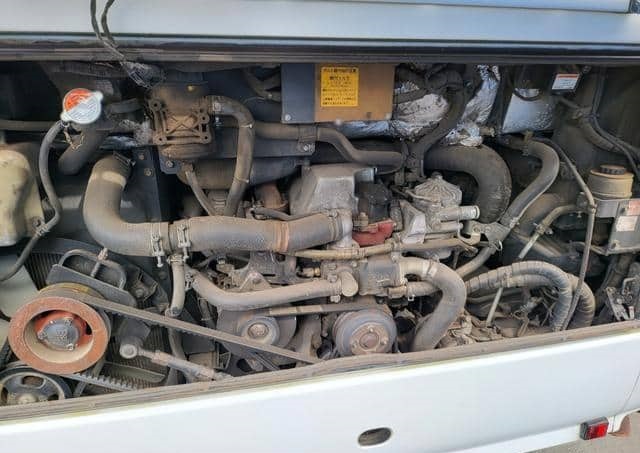
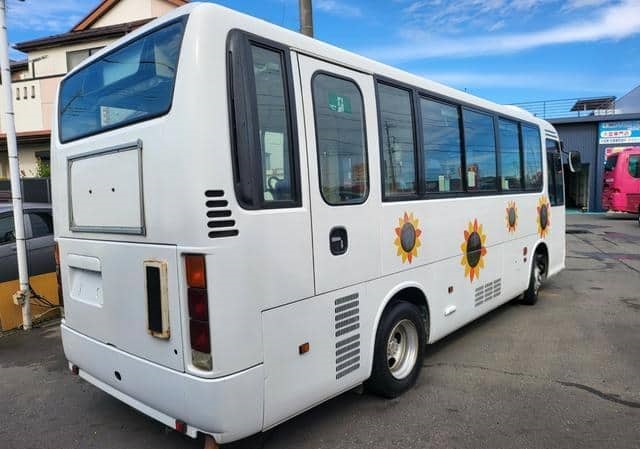
This consolidated guide provides practical notes and checklists for evaluating, buying, financing, insuring, budgeting for, and protecting the long‑term value of a 2005 HINO LIESSE minibus/van. Use it as a quick reference pre‑purchase checklist and a running owner’s checklist to help keep operating costs manageable and resale value higher.
Pre‑Purchase Evaluation Checklist
Documents & History
Verify VIN/chassis number and match it to registration/title and seller ID.
Request service records, past repairs, and any fleet maintenance documentation.
Obtain a vehicle history report (accidents, salvage, odometer issues) and confirm current registration status and any liens.
Exterior & Chassis
Inspect for rust on wheel arches, sills, undercarriage, step areas, and door edges—common on older minibuses.
Check body panels for paint overspray, mismatched panels, or welding that indicate repairs.
Look for frame damage, bent chassis rails, or signs of heavy past collisions.
Interior & Passenger Areas
Check seat frames, mounts, and seat belts for wear, corrosion, and secure attachment—especially if used commercially.
Inspect flooring for water damage and rot under vinyl or carpet.
Verify HVAC (heating/air conditioning) performance; passenger comfort systems are expensive to fix if failed.
Powertrain & Running Gear
Listen for abnormal engine noises, smoke on cold start, and check for oil/coolant leaks.
Test transmission for smooth shifting; note clutch operation on manual models.
Inspect brakes, suspension bushings, shock absorbers, and wheel bearings for play and wear.
Electrical & Safety
Test all lights, indicators, wipers, and interior passenger lights.
Check instrument cluster for error lights and ensure any warning codes are diagnosed.
Confirm emergency exits, signage, and any regulatory equipment required for passenger transport.
Buying & Negotiation Tips
Always perform a comprehensive mechanical inspection with a technician experienced in light commercial Japanese vehicles.
Factor in deferred maintenance—aging buses frequently need brakes, tires, and suspension work even if engine runs well.
Negotiate based on documented repair needs, rust, and estimated cost of parts that may be regionally scarce.
If importing, add shipping, customs, homologation, and local compliance costs to the purchase price.
Financing Options & Considerations
Commercial vehicle loans or small business loans often provide better terms for passenger vehicles used in business than personal auto loans.
Consider leasing vs buying if you require fleet rotation—leases can simplify replacement and maintenance bundles.
Expect shorter loan terms and higher rates for older vehicles; include an allowance for recommended immediate servicing in your loan amount.
Keep documentation of intended use (charter, shuttle, school) available—lenders will price risk based on commercial exposure.
Insurance Checklist
Obtain a quote for commercial passenger liability coverage—standard personal auto policies may exclude paid passenger transport.
Consider additional coverages: comprehensive, collision, passenger accident medical, uninsured motorist, and cargo if carrying items.
Safety features, driver training, and secure seating can reduce premiums—document these for insurers.
Review limits for bodily injury per person and per occurrence—adequate coverage is critical for passenger vehicles.
Budgeting for Operation & Maintenance
Fuel: Expect diesel consumption typical of compact buses — budget monthly fuel costs based on local diesel prices and estimated daily mileage.
Routine maintenance: oil/filters, brake pads/rotors, tires, belts, and fluids—set aside an annual maintenance fund (variable by region; commonly several hundred to a few thousand USD per year for older units).
Unexpected repairs: allocate a reserve for major items—turbochargers, injectors, transmission work, or head gasket repairs can be high cost on older engines.
Regulatory costs: inspections, permits, vehicle testing, and commercial licensing should be budgeted annually.
Protecting Long‑Term Value
Keep detailed service records—document every repair and scheduled maintenance to maximize resale value.
Address rust and paint damage promptly; professional undercoating and regular washing (including undercarriage) extend body life.
Use OEM or high‑quality parts for major repairs and keep replacement receipts to show correct maintenance history.
Avoid heavy modifications that reduce marketability and ensure any safety upgrades are professionally installed and documented.
Store vehicle under cover where possible and rotate tires/perform battery maintenance if stored for extended periods.
Quick Owner Checklist (monthly)
Visual walkaround for leaks, tire wear, lights, and mirrors.
Check fluid levels (engine oil, coolant, brake, transmission if applicable, power steering).
Verify emergency equipment (first aid kit, fire extinguisher) and passenger safety items.
Log mileage and note any new noises, vibrations, or warning lights.
Final thoughts
The 2005 HINO Liesse can be a reliable, economical choice when evaluated and maintained correctly. Prioritize a thorough pre‑purchase inspection, verify legal and regulatory compliance for passenger transport, and secure appropriate commercial insurance. Budget conservatively for fuel, routine maintenance, and unexpected repairs. Protecting the bus’s appearance, keeping excellent service records, and avoiding overloading or harsh duty will preserve resale value and keep operating costs predictable.
FAQs
Q: Is the 2005 Hino Liesse diesel or petrol?
A: Many Hino Liesse models are fitted with diesel engines, but exact fuel type depends on the market and specific variant—confirm via the engine plate, VIN, or owner documentation.
Q: Are parts for a 2005 Hino Liesse easy to find?
A: Parts availability varies by region. Genuine Hino parts are widely available in Asia and some other markets; in other regions you may need to source parts through specialist importers or compatible third‑party suppliers. Factor lead times and shipping into maintenance planning.
Q: How much should I budget annually for maintenance?
A: This depends on usage. For a well‑maintained, moderately used unit, expect a few hundred to several thousand USD per year. Heavier commercial use and region‑specific costs (labor, parts) will increase this—build a contingency fund for larger items.
Q: Do I need special insurance to carry paying passengers?
A: Yes—commercial passenger liability and related coverages are typically required if you carry passengers for hire. Check local regulations and insurer requirements before operation.
Q: What is the best way to preserve resale value?
A: Keep meticulous service records, prevent or repair rust early, use quality parts, avoid unnecessary modifications, and ensure legal compliance and good cosmetic upkeep. These actions maintain buyer confidence and value.
This concise guide summarizes what owners commonly like, commonly complain about, and practical, real‑world tips for buying, owning, and maintaining a HINO LIESSE II minibus from around 2010. What Owners...
The HINO LIESSE II LXHR 2019 is a modern coach engineered to offer comfort and efficiency for long-distance travel. In the context of Uganda’s diverse terrain, from well-maintained highways to...
The 2010 HINO LIESSE GX is a compact, versatile minibus platform used for school runs, shuttle services, tourism and light commercial passenger tasks. Whether you’re buying a used example, specifying...
The HINO LIESSE II 2016 model is engineered for durability and comfort, making it a potential choice for long-distance travel in Uganda’s diverse landscapes. Its robust build and reliable performance...
Family owned dealership of new and pre-owned vehicles with several locations across the Uganda. Lowest prices and the best customer service guaranteed.
You're almost there, select at least one more to compare!
We use cookies to ensure that we give you the best experience on our website. If you continue to use this site we will assume that you are happy with it.
You can revoke your consent any time using the Revoke consent button.