Below is a practical guide to choosing the right spec and upgrades for a HINO LIESSE II (29-seat, automatic, 2009) based on comfort, safety, handling and daily-use needs. If you tell me your intended use (city shuttle, school, tourist/intercity, corporate shuttle, wheelchair transport, budget fleet, etc.), I can make this more specific.
Overview: What to consider before upgrading
Start by defining the vehicle’s primary duty cycle (short urban hops, longer intercity runs, school routes, wheelchair service, etc.). Key decisions depend on regulatory requirements, passenger comfort expectations, and operating budget. For a 2009 HINO LIESSE II you should also confirm mechanical condition and emission-system health before investing in upgrades.
Check service history, transmission behavior (automatic shift quality), clutch/driveline condition and rust/corrosion.
Confirm local safety regulations: seatbelt rules, wheelchair securement, emergency exits and signage.
Prioritize items that affect safety and uptime first, then comfort and convenience.
Comfort upgrades (passenger experience)
Comfort choices depend on route length and passenger expectations.
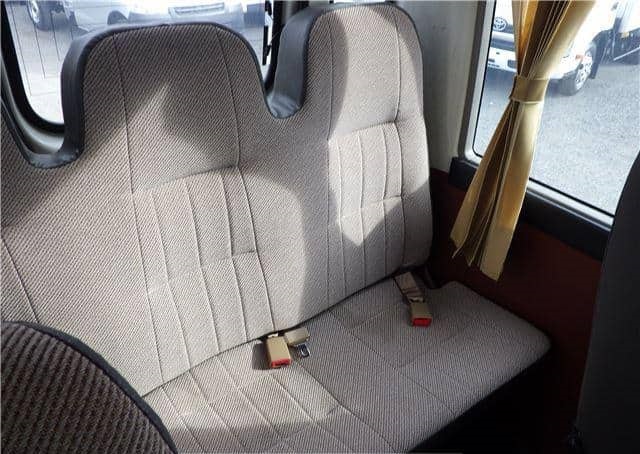
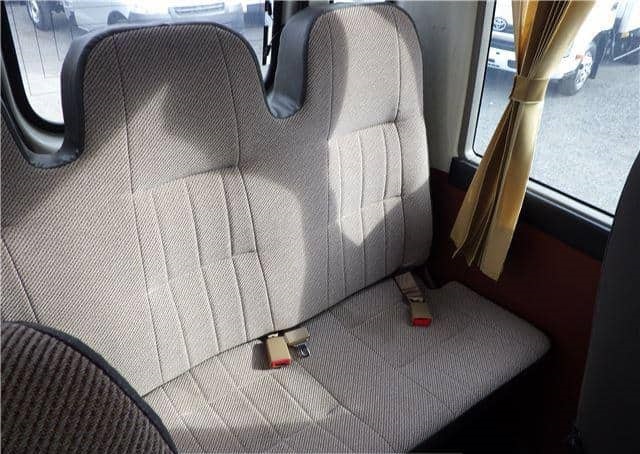
Seating: Replace worn cushions or reupholster seats; consider reclining seats or higher-density foam for intercity/tourist work. Add individual armrests for corporate/tourist shuttles.
Climate control: Ensure the A/C and heating systems are fully serviced. For hot climates, upgrade blower motors/condensers; for cold climates, check heater core and defrost performance.
Noise & vibration: Improve insulation in the passenger compartment and around engine bay to reduce NVH (noise, vibration, harshness).
Passenger amenities: USB charging points, overhead reading lights, tinted glass for sun protection and privacy, and an optional PA system or infotainment screen for tourist routes.
Flooring & trim: Durable non-slip vinyl for city/school use; carpeted or nicer laminated floors for corporate/tourist services.
Safety upgrades (must-haves and recommended)
Safety is non-negotiable. Always comply with local transport authority rules.
Brakes & tyres: Fit tyres with correct load rating and good tread depth; upgrade to modern high-traction tyres suited to operating conditions. Ensure disc/drum brakes are inspected and ABS is functional if fitted.
Active & passive safety: If the vehicle lacks parking sensors or a rear camera, add them—valuable for daily parking in urban environments. Consider LED brake/tail lights for improved visibility.
Fire & first aid: Install easily accessible fire extinguisher(s), a stocked first-aid kit and clear evacuation instructions.
Wheelchair securement: For accessible transport, fit an approved lift or ramp and QSR (quick securement restraints) and tiedowns; ensure proper signage and tested locking mechanisms.
Handling & drivetrain upgrades
Improvements here focus on stability, reliability and driver confidence.
Suspension: Replace worn shocks/leaf springs, and consider heavier-duty spring packs for routes with full loads or rough roads. Anti-roll bar reinforcement can improve cornering stability.
Steering & alignment: Renew steering components (tie rods, idler arm), and perform precise wheel alignment. This reduces tyre wear and improves fuel economy.
Transmission & engine: Keep automatic transmission serviced with correct fluid changes; inspect torque converter and shift control. For fuel economy, use recommended injectors and maintain EGR/DOC/DPF systems per manufacturer guidance.
Electrical: Install a reliable charging system and a high-capacity battery for cold starts and accessory loads (A/V, charging ports, lift operation).
Daily-use & operational upgrades
These upgrades improve uptime, reduce operating costs and simplify driver tasks.
Telematics & fleet tracking: GPS fleet tracking, fuel monitoring and remote diagnostics help manage routes, reduce idling and speed up maintenance scheduling.
Interior durability: Use tough materials for high-traffic services (city shuttle, school) — scuff-resistant panels and easy-to-clean upholstery.
Accessibility: Low-step entry, handrails, and contrast markings on steps help reduce slips and falls in busy urban use.
Spare parts strategy: Keep common wear items on hand (filters, belts, bulbs, brake pads) to reduce downtime.
Prioritizing upgrades: a simple matrix
Use this three-tier approach to choose where to spend first:
High priority (safety & legal): Brakes, tyres, seatbelts, emergency equipment, wheelchair restraints if applicable, emission compliance checks.
Medium priority (reliability & handling): Suspension, steering, transmission service, telematics.
Low priority (comfort & extras): Reclining seats, entertainment systems, premium upholstery—invest once reliability is assured.
Sample recommended specs by intended use (high-level)
City shuttle / school: Durable flooring, heavy-duty tyres, robust interior trim, high-capacity HVAC, telematics and priority on brakes and suspension.
Tourist / intercity: Reclining seats, larger luggage storage, improved insulation and HVAC, infotainment and USB ports, comfortable cushion upgrades.
Corporate shuttle: Upholstered seats, privacy glass, charging ports/Wi‑Fi, quietened interior and aesthetic trim upgrades.
Wheelchair transport: Wheelchair lift or ramp, QSR restraints, low-floor modification or kneeling suspension if possible, non-slip flooring and extra grab rails.
Budget fleet: Standard durable interiors, preventative maintenance plan, basic telematics and standard safety pack—focus on uptime and part availability.
Note: Some structural modifications (floor changes, lifts) must follow local vehicle modification laws and may require certification/inspection.
Maintenance & pre-purchase checklist
Inspect gearbox and automatic shift quality; road test under load.
Compression test and check for oil leaks or coolant leaks.
Examine undercarriage for corrosion and leaf spring condition.
Check HVAC performance, battery condition and charging system.
Verify seatbelt integrity and emergency exits are functional and labelled.
Final thoughts
Upgrading a 2009 HINO Liesse II is about balancing safety, reliability and passenger comfort within budget and regulatory boundaries. Start by ensuring the mechanical and safety basics are sound—brakes, tyres, suspension, seatbelts and emissions—then add role-specific comforts like better seats, HVAC refinements, accessibility equipment or infotainment systems. Prioritize items that reduce downtime and protect passengers; use telematics and preventive maintenance to lower operating costs over time. Tell me the vehicle’s intended use and I’ll provide a prioritized, line-item spec and upgrade plan tailored to that application.
FAQs
Q: What are the non-negotiable upgrades for safety?
A: Functional brakes and tyres with correct load rating, working seatbelts, emergency exits and basic emergency equipment (fire extinguisher, first aid). For accessible vehicles, certified wheelchair restraints and a tested lift or ramp are mandatory.
Q: Will adding a wheelchair lift require structural work?
A: Often yes. Lift installation may require reinforcement of the door aperture or floor and must meet local safety regulations. Use certified installers and obtain required inspections.
Q: Is it worth upgrading suspension on a 2009 Liesse II?
A: Yes—worn suspension worsens tyre wear, comfort and handling. For vehicles carrying full loads regularly, stronger springs or renewed shock absorbers noticeably improve stability and passenger comfort.
Q: Can I retrofit ABS or stability control?
A: Retrofitting modern stability systems is complex and costly; ABS retrofits sometimes exist but require expert design and certification. Focus on maintaining the existing braking system and tyre choice if retrofit isn’t practical.
Q: How should I prioritize upgrades for a small budget?
A: Safety and reliability first—brakes, tyres, fluids, filters and suspension. Then add telematics to reduce running costs, followed by comfort upgrades if funds allow.
This concise guide summarizes what owners commonly like, commonly complain about, and practical, real‑world tips for buying, owning, and maintaining a HINO LIESSE II minibus from around 2010. What Owners...
The HINO LIESSE II LXHR 2019 is a modern coach engineered to offer comfort and efficiency for long-distance travel. In the context of Uganda’s diverse terrain, from well-maintained highways to...
The 2010 HINO LIESSE GX is a compact, versatile minibus platform used for school runs, shuttle services, tourism and light commercial passenger tasks. Whether you’re buying a used example, specifying...
The HINO LIESSE II 2016 model is engineered for durability and comfort, making it a potential choice for long-distance travel in Uganda’s diverse landscapes. Its robust build and reliable performance...
Family owned dealership of new and pre-owned vehicles with several locations across the Uganda. Lowest prices and the best customer service guaranteed.
You're almost there, select at least one more to compare!
We use cookies to ensure that we give you the best experience on our website. If you continue to use this site we will assume that you are happy with it.
You can revoke your consent any time using the Revoke consent button.