


Here’s a compact, practical checklist to use before you pay for a 2014 DAIHATSU TANTO Exe. Focus on trims and options, engine and transmission basics, paperwork and history, physical checks, test‑drive priorities, red flags to watch for, and post‑purchase steps to protect your investment.
Understanding Trims and Options
The Tanto Exe was offered in a few trim levels that generally follow a base-to-high spec pattern. Trim differences tend to focus on convenience and safety equipment rather than mechanical changes.

- Base/Standard trims: Basic comfort items — manual or power windows in front, simple audio, steel wheels or basic alloys.
- Mid-level trims: Additions like air conditioning climate control, power sliding doors, upgraded audio, and extra airbags.
- Top/Limited trims: Keyless entry, push‑button start, better interior trim, additional safety aids (parking sensors, sometimes traction control or stability control).
When comparing listings, confirm which features matter to you (AC type, power doors, safety systems). Many visual cues (different bumpers, wheel designs) indicate trim level and help verify the ad’s claims.
Engine and Transmission Basics
The Tanto Exe, being a kei car, uses a small displacement engine with a focus on fuel economy and city driving. Typical powertrains are small-capacity three‑cylinder engines paired with a continuously variable transmission (CVT) or an automated manual in some markets.
- Engine: Look for smooth idle, no excessive smoke, and consistent oil level. Small engines are sensitive to neglect — consistent service history matters.
- Transmission: Most examples use CVT. Pay attention for smooth, linear power delivery without shuddering, jerking, or delayed engagement.
Ask whether the vehicle has had big services performed (valve adjustments, major tune‑ups). If unsure about timing components, consult a mechanic — while many small engines use chains, some variants may use belts that require replacement at intervals.

Paperwork and History — What to Request
Complete, verifiable paperwork is essential. Before purchase, ask for:
- Original registration/title or proof of ownership.
- Service book/receipts showing regular maintenance (oil changes, major services).
- Shaken inspection records (if in Japan) or equivalent safety inspection certificates for your country.
- Accident or repair history — ideally a written report or invoice for any structural repairs.
- Keys and remote fobs (confirm spares) and owner’s manual.
Check VIN/chassis numbers against paperwork and make sure mileage is consistent across service stamps and seller statements. Any gaps or forged documents should be treated as a major red flag.
What to Inspect (Exterior, Interior, Undercarriage)
Do a systematic walkaround and inspection with a checklist:
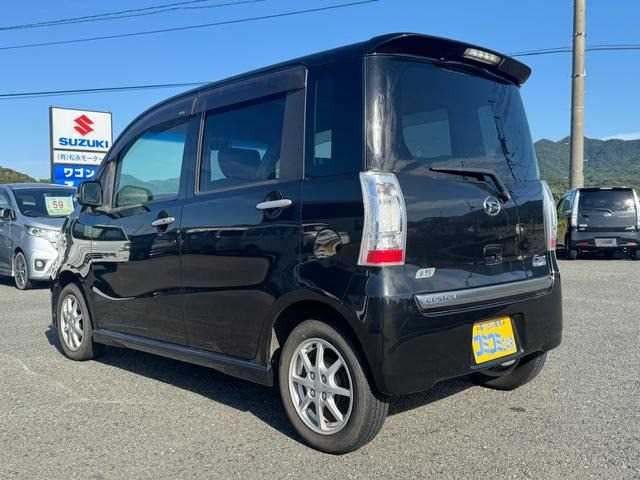
- Exterior: Look for uneven panel gaps, mismatched paint, overspray and signs of welding — indicators of accident repairs. Check doors, sliding mechanism (if fitted) for smooth operation.
- Rust: Inspect lower door sills, wheel arches, door bottoms, and under the rear bumper. Surface rust on older cars is common; structural rust is not acceptable.
- Glass and lights: Ensure no large cracks, functional headlights, fog lamps and indicators.
- Interior: Check seat rails and seat operation, wear on driving controls, HVAC functions, infotainment, and that airbags or warning lights aren’t illuminated on the dash.
- Undercarriage: Check for oil/diff leaks, bent suspension components, and any evidence of heavy corrosion.
Test‑Drive Priorities
A test drive should last long enough to stress the car in normal city and light highway conditions:
- Start-up: Cold start should be smooth — listen for knocking or rattles. Warm the car and start again for differences.
- Idle and low speed: Watch for rough idling, vibrations, or unusual exhaust smoke.
- Acceleration: CVT should accelerate smoothly without hesitation. Check for surging or rubber‑band feeling.
- Brakes: Test for responsiveness, pulsing or pulling to one side and unusual noises.
- Steering and suspension: Drive over bumps and rough surfaces to check for clunks or excessive body roll. Steering should be precise without excessive play.
- Electrical systems: Test climate control, windows, locks, lights, and any parking aids.
Bring a passenger to operate some features while you drive. If possible, get a mechanic to inspect and test‑drive the car with you.
Red Flags — Walk Away If You See These
- Major mismatched panels, fresh paint in isolated areas or frame damage signs.
- Smoke from the exhaust on start or during driving (blue/white/black smoke).
- CVT slipping, shuddering, or jerky acceleration that doesn’t improve with normal driving.
- Unexplained gaps in service history, rolled back odometer indicators, or conflicting paperwork.
- Persistent oil or coolant leaks, overheating issues, or illuminated engine/airbag warning lights that the seller cannot explain.
Post‑Purchase Steps
Once the deal is done, act quickly to protect your purchase:
- Change engine oil and filter, and verify the state of other fluids (CVT/transmission, brake, coolant).
- Replace the air filter and inspect spark plugs; small engines benefit from a fresh tune‑up.
- Check brake pads, rotors, tires and wheel alignment; replace if worn.
- Register and insure the vehicle immediately. Keep a copy of sale documents and service receipts.
- Schedule a full inspection with a trusted mechanic to identify deferred maintenance or hidden problems.
Final thoughts
The DAIHATSU Tanto Exe (2014) can be an excellent city car — economical, easy to park and practical. When buying used, concentrate on verifying service history, checking the CVT and small engine condition, and ensuring the vehicle has not suffered structural damage. A careful inspection, a thorough test drive and prompt post‑purchase servicing will go a long way toward a reliable ownership experience.
FAQs
- Q: How reliable are the tiny engines in the Tanto Exe?
- A: Generally they are durable when maintained. Regular oil changes and following recommended service intervals are crucial. Look for a clear service history.
- Q: Are parts and servicing expensive?
- A: Parts for common wear items are usually affordable. Depending on your country, import parts can be pricier. Routine maintenance costs are typically low compared with larger cars.
- Q: Should I be worried about CVT problems?
- A: CVTs can be long‑lasting if serviced properly, but signs of shuddering, slipping or noise should prompt further inspection. Ask for documented transmission service or fluid changes.
- Q: Is rust a common issue?
- A: Surface rust is common on older vehicles, but structural rust is a serious concern. Inspect undercarriage and lower body panels thoroughly.
- Q: What documents do I need to complete the purchase?
- A: Proof of ownership/registration, service records, inspection certificates where applicable, and a signed bill of sale. Verify VINs match across documents and vehicle plates.


