

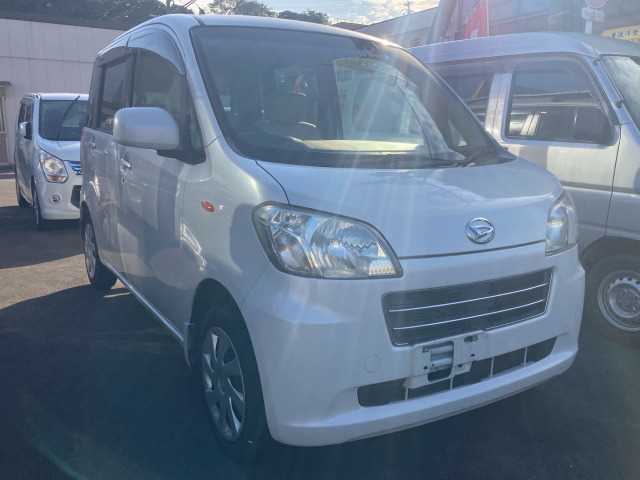
Compact, economical and designed for everyday urban life, the DAIHATSU TANTO Exe from the 2009–2013 era has a particular appeal. Below is a compact, practical summary of what owners commonly praise and complain about, along with realistic buying and ownership advice for anyone considering one now.
What owners commonly like
- Fuel economy: Like most kei cars, owners regularly report very low running costs and excellent fuel consumption in city use — ideal for commuting and short trips.
- Easy parking and maneuverability: Compact exterior dimensions and a tight turning circle make it very city-friendly. Finding parking and navigating narrow streets is noticeably easier than with larger cars.
- Thoughtful interior packaging: The Tanto Exe prioritizes passenger comfort over gimmicks. Seats are often described as more comfortable than some rival kei cars, with good headroom and a practical layout for two adults up front and two in the rear.
- Low purchase and insurance costs: Older models are inexpensive to buy used, and insurance/tax penalties are modest compared with larger vehicles.
- Simple, reliable mechanicals: The mechanical setup is straightforward and familiar to many independent garages, which keeps maintenance affordable and parts widely available in markets where DAIHATSU is common.
- Quiet and composed in town: For urban and suburban driving the Tanto Exe is often described as composed and relatively quiet, especially compared to some sportier or more minimalist kei cars.
What owners commonly dislike
- Limited performance: Kei-car engines are tiny by international standards. Highway merging and sustained high-speed driving can feel strained — overtaking takes planning.
- Noisy at higher speeds: Above motorway speeds, wind and engine noise become more noticeable, reducing long-distance comfort.
- Modest cargo flexibility: While the cabin is practical, luggage space behind the rear seats is limited. Folding the rear seats helps, but the load area remains compact compared with larger hatchbacks.
- Basic infotainment and features on older examples: Expect dated radios, basic climate controls and limited tech unless a model was upgraded aftermarket.
- Some owners report transmission and wear issues: As with many high-mileage small cars, aging continuously variable transmissions (CVTs) and wear items like suspension bushings or wheel bearings can show up if the car hasn’t been well cared for.
- Perceived build quality: Some owners note cheaper-feeling plastics and trims compared with bigger mainstream cars — not uncommon for the class but noticeable for those expecting higher-end finishes.
Practical buying tips (used-market checklist)
If you’re shopping for a 2009–2013 Tanto Exe, use this checklist to avoid common pitfalls:

- Service history: Prioritize cars with a clear maintenance record. Regular oil changes and documented CVT service (if performed) are good signs.
- Transmission behavior: Test-drive in varied conditions. CVT surge, hesitation, shuddering, or loud whining under acceleration can indicate impending repairs. Smooth, linear response is what you want.
- Oil and coolant inspection: Check for oil leaks, oil condition and coolant level. Excessive oil consumption or stains under the car are red flags.
- Suspension and steering: Listen for clunks, rattles and excessive play. Worn bushings and shock absorbers become obvious over rough roads.
- Rust & bodywork: Inspect wheel arches, underbody, door sills and suspension mounts for corrosion, particularly if the car spent time in salt-prone climates.
- Electrical and interior checks: Test all windows, air conditioning, heater, lights and convenience features. Repairs to electrical parts can be annoying and sometimes costly.
- Turbo vs naturally aspirated: If the car has a turbocharged variant, ensure the turbo is healthy—no excessive smoke on start, no lag and listen for unusual noises.
- Compression or leak-down: If you’re serious, ask for a compression test or pre-purchase inspection from a trusted mechanic.
Ownership tips and sensible maintenance
To keep a Tanto Exe running well and economical to own, follow these practical steps:
- Stick to service intervals: Regular oil changes, filter replacements and timely coolant changes are inexpensive ways to prolong engine life.
- CVT care: Follow the manufacturer’s recommendations for CVT fluid changes (or even consider earlier service if history is uncertain). Clean CVT fluid and a healthy transmission dramatically improve longevity.
- Use quality fluids and parts: Using decent engine oil, coolant and replacement parts increases reliability and resale value.
- Watch for small issues early: Address suspension noises, minor leaks and electrical gremlins early — these rarely get better with time and can cascade into larger bills.
- Rust prevention: If you live in a salt-affected region, treat the underbody and check drain channels periodically.
- Tyres and braking: Maintain correct tyre pressures and don’t delay pad/rotor replacement — braking performance is crucial in a light car.
- Simple upgrades: Adding sound-deadening in the doors or a better head unit can make an older car feel much more modern and comfortable for daily use.
Final thoughts
The Daihatsu Tanto Exe (2009–2013) is a pragmatic, economical choice for buyers who prioritize city-friendly dimensions, low running costs and sensible packaging. It’s not a high-performance or luxury vehicle, but many owners appreciate its straightforward reliability and low ownership costs. If you select a well-maintained example and keep up with basic maintenance—especially CVT care and rust prevention—the Tanto Exe can be an inexpensive and dependable daily driver for years.
FAQs
- Is the Tanto Exe reliable?
- Generally yes—when properly maintained. Routine servicing and CVT care are key; cars with neglected service histories are where most problems arise.
- What should I watch for when buying one used?
- Look for smooth transmission operation, low/no oil leaks, evidence of regular maintenance, minimal rust and no major accident history. A pre-purchase mechanical inspection is highly recommended.
- How is the highway performance?
- Expect modest acceleration and higher noise levels at motorway speeds. It’s fine for short highway stints, but not ideal for sustained high-speed driving or heavy loads.
- Are parts and servicing expensive?
- Parts and servicing tend to be affordable in markets where Daihatsu is common. Prices vary by region; independent mechanics often know these models well and can keep costs down.
- Is it a good car for a small family?
- Yes for urban families — it’s easy to park and economical. However, luggage capacity is limited compared with larger hatchbacks or compact MPVs, so consider how often you’ll need to carry bulky loads.


