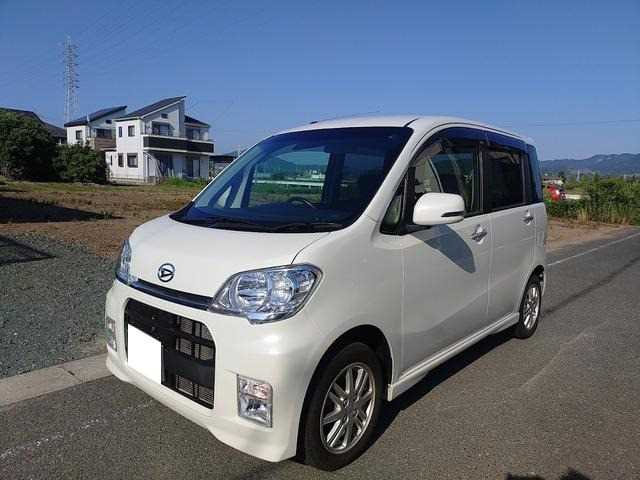
The DAIHATSU TANTO Exe (also marketed as “Tanto Exe” or “Tant Exe”) is a compact, fuel-efficient kei-style mini MPV popular for urban driving. If you’re considering importing a 2010 Tanto Exe to Uganda, this guide outlines the basics, the paperwork and clearance steps, where to buy, and common pitfalls to avoid so your import is smooth and cost-effective.
Basics: What to know before you buy
Vehicle type and compatibility: The Tanto Exe is a small Japanese domestic car designed for right-hand drive roads (same as Uganda), so steering orientation is suitable. Verify engine size and emissions—some used Japanese vehicles are built to kei specifications and may be smaller than regular international models.
Age and condition: 2010 makes the car about a decade-plus old; expect normal wear. Decide whether to accept a high-mileage example and whether you want an accident-free or rebuilt title car.
Budgeting: In addition to the purchase price, budget for shipping (RoRo or container), insurance, port and clearing charges, taxes and duties, inland transport, and registration costs in Uganda.
Transport routes: Vehicles for Uganda commonly transit via the Port of Mombasa (Kenya) and cross into Uganda by road, though other routing options may be available depending on the freight forwarder.
Common sources for used Japanese cars include dealers and auction exporters. Look for sellers who provide clear photos, full details, and a vehicle condition report.
Japanese auction houses (via export agents): USS, TAA, ARAI — through a reputable broker.
Online exporters and marketplaces: BE FORWARD, SBT/Japan, Japan Partner, CarFromJapan, and similar sites that list used vehicles for export.
Specialist dealers who handle African exports — these may bundle shipping and clearance services.
Local agents in Uganda can source cars for you and handle the import logistics; use licensed agents with good reviews.
Clearance steps & paperwork (overview)
Regulations and exact forms change, so always verify current requirements with the Uganda Revenue Authority (URA) or a licensed clearing agent. The sequence below is the typical flow.
Before shipment
Obtain a clear purchase invoice and seller contact details.
Get the vehicle’s chassis/VIN number, engine number, odometer reading, and export certificate (when applicable).
Ask the seller for a pre-shipment inspection report and clear photos, and consider third-party vehicle history checks to detect salvage or flood damage.
Engage a freight forwarder/exporter to arrange RoRo or container shipping and insurance (marine cargo insurance recommended).
Documents you will typically need for Uganda clearance
Original Bill of Lading (or Seaway Bill), or equivalent shipping document
Commercial invoice and seller’s proforma invoice
Export certificate or deregistration document from the country of export
Original logbook / title (if supplied) and purchase contract
Freight and insurance documents
Copy of importer’s ID or passport, and company documents if importing commercially
Any inspection certificates provided by the exporter or third-party inspector
On arrival in Uganda (or at the entry point)
Notify your clearing agent/freight forwarder and obtain arrival notice.
Submit documents to Uganda Revenue Authority (URA) for valuation and assessment.
Pay assessed duties and taxes (these commonly include import duty, excise duty, VAT, and handling/processing fees — rates and applicable taxes change, so get a current URA tariff estimation).
Vehicle inspection: URA or a designated agency may require physical inspection or verification of VIN/chassis.
Once duties are paid and requirements met, collect the release order and arrange transport to your location in Uganda.
Register the vehicle with the relevant local authorities, obtain number plates, and secure third-party insurance before driving.
Common pitfalls and how to avoid them
Hidden costs: Don’t assume the purchase price is the total. Shipping, port charges, clearing agent fees, and taxes can add significantly to your outlay. Ask for a full landed cost estimate up front.
Incomplete or forged documents: Always insist on original documents and verify them. Work with reputable exporters and verify chassis numbers against documents.
Salvage/flood-damaged cars: Some sellers try to pass off damaged vehicles. Use vehicle history searches and pre-shipment inspections to detect problems.
Wrong specs: Ensure the car’s specification and parts availability suit Uganda’s roads—suspension, ground clearance, lights, and spare parts compatibility are important.
Unlicensed clearing agents: Use licensed clearing agents or brokers in Uganda to avoid delays, fines, or confiscation.
Assuming static regulations: Customs rules, taxes and allowable ages/standards change. Always confirm current URA rules and any emissions/roadworthiness requirements.
Practical tips
Get a pre-shipment inspection and ask for a full condition report including underbody and engine photos.
Consider RoRo for cost savings; use a container if you need extra protection or are shipping additional items.
Communicate clearly with your freight forwarder about transit times, port of discharge, and inland transport to Kampala.
Keep copies of all documents and digital scans accessible in case originals are delayed.
Budget a contingency (10–20%) for unexpected fees or repairs.
Final thoughts
Importing a 2010 Daihatsu Tanto Exe into Uganda can be a cost-effective way to get a compact, efficient urban car, but successful importation depends on careful sourcing, clear documentation, accurate cost forecasting, and compliance with Uganda’s customs and registration procedures. Use reputable exporters, arrange pre-shipment checks, employ a licensed clearing agent, and verify current Uganda Revenue Authority requirements before committing — these steps will minimize surprises and help you enjoy your Tanto Exe with confidence.
FAQs
Q: Do I need a licensed clearing agent in Uganda?
A: It’s highly recommended. Licensed clearing agents understand URA procedures, can prepare the correct paperwork, and often speed up the release process while helping you avoid fines or mistakes.
Q: Which shipping method is best — RoRo or container?
A: RoRo (roll-on/roll-off) is usually cheaper and faster for single vehicles. Containers offer more protection for valuable or multiple vehicles and household goods but cost more.
Q: How long does the whole process take?
A: From purchase to delivery in Uganda typically 4–10 weeks depending on shipping route, port congestion, and clearance efficiency. Allow extra time for document verification and duty assessment.
Q: Are there restrictions on vehicle age or emissions?
A: Regulations change. Some countries have age limits or emissions standards. Check current URA rules and Uganda government notifications before purchase.
Q: What should I check on the Tanto Exe before buying?
A: Verify chassis/VIN, engine condition, odometer reading, accident history, presence of rust or flood damage, and availability of a clear export/deregistration document. A third-party inspection is recommended.
Disclaimer: This guide provides general information. For definitive legal, tax, and procedural advice, consult the Uganda Revenue Authority, a licensed clearing agent, or a legal professional experienced with vehicle imports to Uganda.
Here’s a compact, practical checklist to use before you pay for a 2014 DAIHATSU TANTO Exe. Focus on trims and options, engine and transmission basics, paperwork and history, physical checks,...
Compact, economical and designed for everyday urban life, the DAIHATSU TANTO Exe from the 2009–2013 era has a particular appeal. Below is a compact, practical summary of what owners commonly...
As an experienced car inspector based in Uganda, I’ve come across a variety of vehicles suited for our unique road conditions. When considering the Daihatsu Tant Exe, several factors come...
Family owned dealership of new and pre-owned vehicles with several locations across the Uganda. Lowest prices and the best customer service guaranteed.
You're almost there, select at least one more to compare!
We use cookies to ensure that we give you the best experience on our website. If you continue to use this site we will assume that you are happy with it.
You can revoke your consent any time using the Revoke consent button.