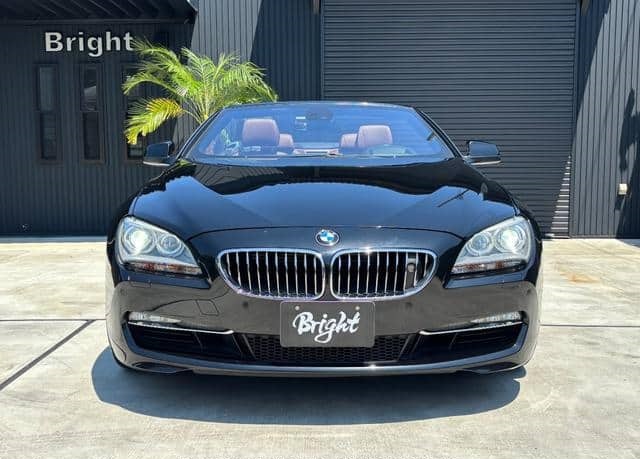
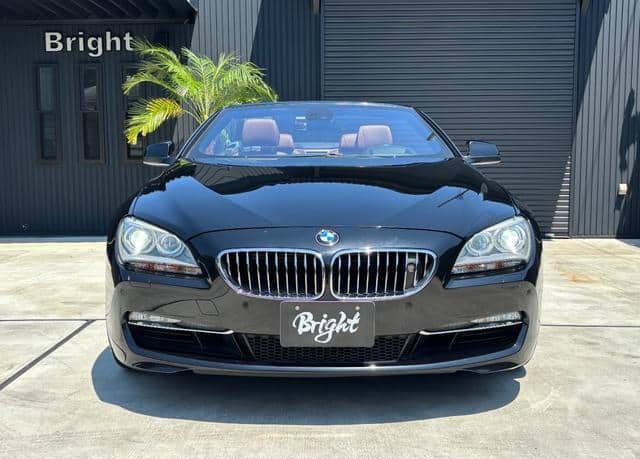
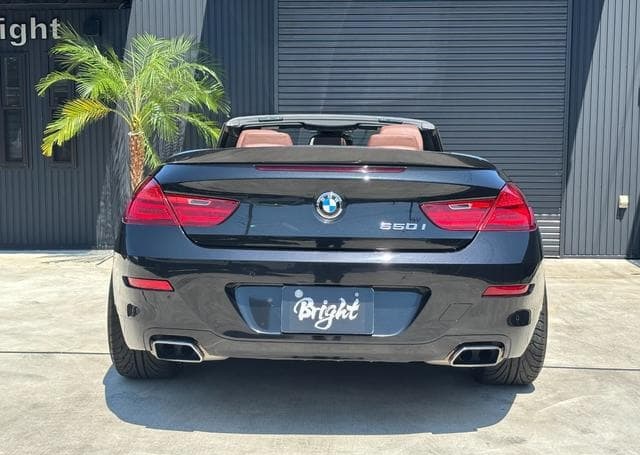
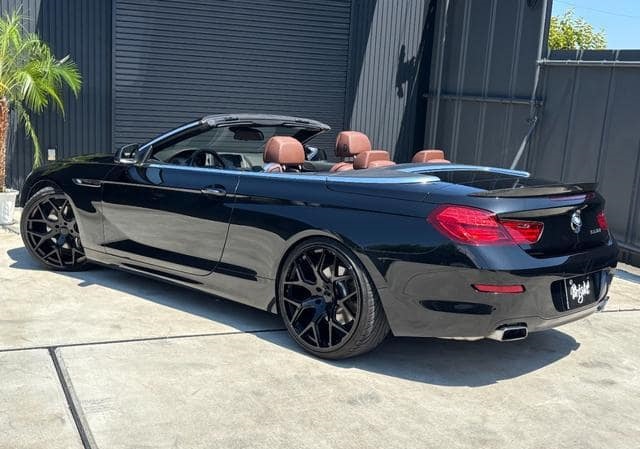
Quick clarification: when someone asks about the “2011 model‑year BMW 6 SERIES” they may mean the range in general or a specific body style/engine (coupe, convertible, Gran Coupe; 6‑cyl vs V8). Exact EPA fuel economy and 0–60 times depend on the specific trim and drivetrain — for example the 640i (turbo inline‑6) is noticeably more efficient than the 650i (turbo V8), and the Gran Coupe changes practicality compared with the two‑door coupe/convertible. Below is a practical, concise overview of city and highway performance, ride quality, economy, and everyday practicality across the 2011 6 Series lineup, plus a conclusion and FAQs.
Overview of the 2011 6 Series range
The modern 6 Series lineup for this era covers two‑door coupe and convertible bodies and a four‑door Gran Coupe in later model years — all positioned as luxury grand tourers rather than track‑focused sports cars. Typical factory powerplants for the 2011‑era models include a turbocharged 3.0‑liter inline‑6 (marketed as 640i in later naming) and a twin‑turbo 4.4‑liter V8 (650i). Rear‑wheel drive is standard with all‑wheel drive optional on some versions. Expect a heavy, well‑built car with strong straight‑line performance and high levels of equipment and refinement.
City and highway performance
– Inline‑6 (640i): The 3.0‑liter turbo six delivers smooth, progressive power and ample midrange torque. In city driving it feels effortless—good low‑rpm response makes stop‑and‑go traffic less taxing. On the highway the six has strong passing power and comfortable cruising at speed.
– V8 (650i): The 4.4‑liter twin‑turbo V8 is considerably quicker, with stronger low‑end torque for rapid on‑ramp accelerations and effortless overtakes. It’s the pick if you want immediate acceleration and a more muscular character.
Body style matters: the coupe is slightly lighter and tends to feel a touch sharper, while the convertible sacrifices some chassis rigidity and weight for the open‑top experience; the Gran Coupe adds doors and rear passenger space with only a modest penalty to performance.
Ride quality and handling
The 6 Series is tuned as a grand tourer — priority is composed, planted cruising with the ability to handle sporty driving. Suspension compliance is generally good for its class; BMW‘s adaptive dampers (if equipped) allow you to toggle between more comfortable and firmer, sportier settings.
Steering is precise and communicative for a large coupe, but note that the 6 Series is bigger and heavier than a 3 Series, so it will not be as flickable. With optional sport suspension and larger wheels the ride will become firmer and transmit more road imperfections; with standard suspension it’s a refined, settled cruiser.
Fuel economy and running costs (practical estimates)
Exact EPA figures vary by engine, body style and drivetrain. As a rule of thumb:
Turbo inline‑6 variants: expect mid‑teens city with mid‑20s highway in MPG terms for coupe versions — practical for a performance luxury car but still premium‑fuel dependent.
Turbo V8 variants: expect lower economy, commonly high single digits to mid‑teens in the city and low‑20s on the highway depending on the model and wheel/tire package.
Running costs are higher than a mainstream sedan: premium gasoline, higher insurance, and maintenance/repairs that reflect the car’s complexity and BMW ownership costs. The V8s are notably more expensive to maintain and insure, and some turbocharged V8 engines from this era have had known reliability concerns — factor in a pre‑purchase inspection and service history.
Everyday practicality
– Coupe: The two‑door coupe offers a usable trunk for weekend luggage and a comfortable front cabin, but rear seats are best for occasional use or short rides for adults. Headroom and ingress/egress are more restricted than in a sedan.
– Convertible: Open‑top motoring is excellent for summer driving; however, trunk space is reduced (especially with the top down) and rear seating is even more compromised than the coupe.
– Gran Coupe: The four‑door variant is the most practical. Rear doors and improved rear headroom make it a more realistic daily driver for families or those who regularly carry passengers. Trunk space is typically larger than the coupe and more usable.
Interior packaging is luxurious with high‑quality materials and strong infotainment features for the time, but technology will feel dated compared with newer cars. Storage cubbies are adequate; parking sensors and optional cameras help with everyday usability.
Common ownership considerations
Pre‑purchase inspection (PPI) is strongly recommended — check for service history, oil leaks, suspension wear and the condition of convertible tops if applicable.
Expect higher routine service costs (brakes, tires, brakes are large and expensive; specialty fluids; brake pads and tires wear depending on driving style).
Some turbocharged engines from this era have known issues (followed by proper maintenance they can be durable, but repairs can be costly).
Parts and labor for luxuries and electronics (seats, navigation, iDrive) can add to running costs compared with mainstream cars.
How to choose between trims
– Choose the inline‑6 (640i) if you want a balance of performance and better fuel economy, plus generally lower running costs.
– Choose the V8 (650i) if outright acceleration and a more visceral, torque‑rich experience are priorities and you accept higher ownership costs.
– Pick the Gran Coupe if rear‑seat practicality matters; choose the coupe/convertible if style and a pure GT experience are more important.
Final thoughts
The 2011‑era BMW 6 Series is a true grand tourer — stylish, powerful and comfortable for long drives. It balances luxury and performance well, but ownership brings higher fuel and maintenance costs than smaller BMWs or mainstream sedans. For everyday practicality the Gran Coupe is the most sensible choice; for driving enjoyment and character the coupe or convertible with the inline‑6 make strong, sensible options. If you want precise EPA ratings and 0–60 times, tell me the exact trim (coupe/convertible/Gran Coupe and whether it’s the 640i/650i or xDrive) and I’ll give exact factory figures and realistic real‑world expectations.
FAQs
Q: Which 2011 6 Series is best for daily driving?
A: The Gran Coupe is the most practical for daily use due to rear doors and better rear‑seat space. A 640i (inline‑6) Gran Coupe balances efficiency and performance for everyday needs.
Q: Is the V8 worth it?
A: The V8 is worth it if you prioritize stronger acceleration and a more muscular engine note. Be prepared for higher fuel and maintenance costs.
Q: Are these cars reliable?
A: Reliability varies by engine and care. Properly maintained inline‑6 cars tend to be more trouble‑free; some V8s from this era are associated with higher repair bills. A thorough PPI and full service history are recommended.
Q: Can I get exact EPA and 0–60 figures?
A: Yes — provide the body style (coupe, convertible, Gran Coupe) and engine/trim (640i, 650i, xDrive etc.) and I’ll supply the precise factory and typical real‑world figures.
This compact guide covers the practical maintenance steps and the most worthwhile upgrades to keep a 2012 BMW 6 SERIES (Gran Coupe F06, Convertible F12, Coupe F13) running reliably and...
If someone asks “what is the fuel economy of the 2023 BMW 6 SERIES?” the question is incomplete. BMW sells more than one body style and multiple engine/trim combinations, and...
As an experienced car inspector in Uganda, I’ve often seen how crucial it is for buyers to consider various factors when selecting a vehicle suited for our unique driving conditions....
The 2012 BMW 6 SERIES (F13 coupe, F12 convertible and F06 Gran Coupe) is a true grand tourer: elegant, powerful and lavishly equipped. If you’re thinking about buying or owning...
Family owned dealership of new and pre-owned vehicles with several locations across the Uganda. Lowest prices and the best customer service guaranteed.
You're almost there, select at least one more to compare!
We use cookies to ensure that we give you the best experience on our website. If you continue to use this site we will assume that you are happy with it.
You can revoke your consent any time using the Revoke consent button.