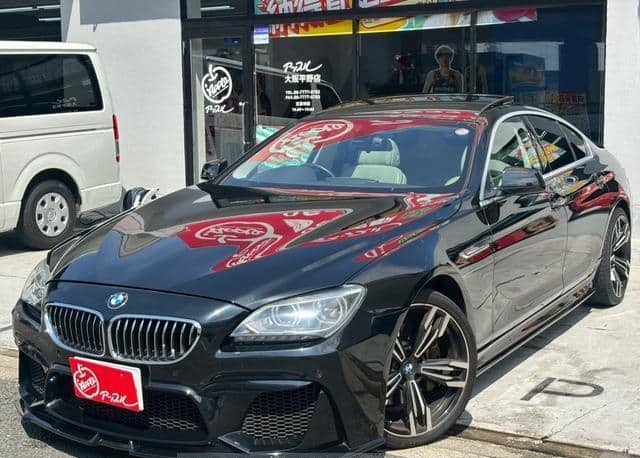
This compact guide covers the practical maintenance steps and the most worthwhile upgrades to keep a 2012 BMW 6 SERIES (Gran Coupe F06, Convertible F12, Coupe F13) running reliably and driving beautifully. If you tell me the engine (e.g., N55, N63, N57 diesel) and wheel size I can get even more specific on parts, service intervals, and setup recommendations.
Routine maintenance priorities
- Oil & filter: Use a high-quality synthetic oil (BMW-approved spec). For an older 6 Series, err on the conservative side: change oil and filter every 5,000–7,500 miles (8,000–12,000 km) or at least once a year if you do lots of short trips.
- Brake fluid: Replace every 2 years. This preserves ABS/DSC function and braking feel.
- Coolant: Flush and replace every 3–4 years. Check hoses, radiator, and expansion tank for soft spots or leaks.
- Air and cabin filters: Replace annually or per condition—clean intake and turbo inlet for engines with high soot or aftermarket tunes.
- Spark plugs: Replace around 60k–100k miles depending on engine (N55/N63: earlier replacement is often beneficial).
- Fuel system / injectors: For direct-injection petrol engines (N55, N63), periodic intake-valve cleaning (walnut blast) every 60–80k miles prevents carbon buildup. Diesels (N57) need EGR and intake checks to prevent clogging; keep DPF regenerations healthy by doing regular longer drives.
- Transmission service: Service automatic transmission fluid and filter per BMW schedule—generally every 60–100k miles for ZF gearboxes; check level and function earlier if you see slip or rough shifts.
- Suspension & bushings: Inspect control-arm bushings, sway-bar endlinks, and shocks for wear. Replace worn rubber bushings before they cause alignment and tire wear issues.
- Electrical & battery: Batteries age 4–6 years—replace proactively and ensure charging system is healthy. Check window and roof motors, especially on convertibles, for proper operation.
Engine-specific notes (high-level)
- N55 (turbo I6): Watch for high-pressure fuel pump (HPFP) wear, oil leaks from valve cover & oil filter housing gaskets, and intake-valve carbon buildup from direct injection. Consider a catch can if you do a lot of spirited driving or tuning.
- N63 (twin‑turbo V8): This powerful engine benefits from strict oil and cooling maintenance. Monitor oil consumption, valve stem seals, and ensure the oil cooler/lines and turbo cooling are in good condition. Upgrading oil coolers or running higher-capacity oil systems helps for spirited driving.
- N57 diesel (I6): Diesel particulate filter (DPF) and EGR system health is key. Keep turbo, intercooler and intake paths clean; avoid mostly short commutes if possible, and clean EGR/intake when symptoms appear.
Common wear items to preemptively address
- Valve cover gasket and oil filter housing gasket (common oil-leak sources).
- Water pump and thermostat (especially electric water pumps—monitor coolant temperature and leaks).
- Ignition coils and spark plugs (misfires can escalate into catalytic converter damage).
- Control-arm bushings, sway-bar links, and shock absorbers (affect ride and tire life).
- Convertible top seals and drain tubes (for F12 convertibles)—clean and test often to avoid interior water damage.
Worthwhile upgrades (practical, reliability-focused and driving-enhancing)
- Upgraded cooling & oil systems: Larger oil coolers, high-quality aftermarket thermostats, and upgraded oil lines/filters for N63 owners or anyone who tracks/spirited-drives. These reduce heat soak and protect the engine.
- Intake & fuel system improvements: For N55/N63 direct-injection engines, consider a quality intake improvement and ensuring the HPFP & fuel rail hardware are in good condition. For diesels, stronger fuel pumps and quality injectors as needed.
- Catch can / PCV improvements: Helps reduce intake carbon buildup and extend turbo/intercooler/valve life on direct-injection engines.
- Brake upgrade: High-performance pads and rotors, or a big-brake kit if you track. Braided steel lines and fresh fluid improve pedal feel.
- Suspension & bushings: Polyurethane or performance bushings, upgraded sway bars, and adjustable coilovers or sport springs provide better handling without sacrificing daily comfort.
- Tires & wheels: The single most impactful upgrade for handling. Stick with recommended rolling diameter; choose high-performance summer tires for spirited driving and a quality all-season for year-round use. If you tell me your wheel size I can suggest tire sizes and recommended models.
- Software & ECU tuning: Tunes can unlock power but increase stress on drivetrain and cooling—pair any tune with supporting hardware (cooling, fueling, brakes).
- Interior & convenience: Replace worn switches, door seals, and navigation/infotainment updates to keep the cabin pleasant and maintain resale value.
Practical tips for buying & long-term ownership
- Prefer cars with a full service history; receipts for major items (water pump, gaskets, spark plugs, transmission service) are valuable.
- Check for oil leaks, turbo shaft play, excessive smoke, and odd noises. A pre-purchase compression/leakdown test and inspection by a BMW specialist are worth the cost.
- Keep a maintenance log and use quality OEM or equivalent parts—skimping on filters, fluids, or hardware often costs more later.
Final thoughts
The 2012 BMW 6 Series (F06/F12/F13) is a beautiful, capable grand tourer that rewards careful ownership. Focus on conservative oil-change intervals, proactive cooling and intake maintenance, and timely replacement of wear items. Sensible, supporting upgrades—better cooling, brakes, tires, and suspension—improve reliability and enjoyment far more than chasing peak power alone. If you want precise part numbers, exact service intervals or upgrade options tailored to your car, tell me the engine (for example N55, N63, N57 diesel) and the wheel size and I’ll provide specific recommendations.
FAQs
- Q: How often should I change the oil?
- A: For a 2012 6 Series, use high-quality synthetic oil and change every 5,000–7,500 miles (8,000–12,000 km) or at least annually. More frequent changes help older engines and cars that see short trips or spirited driving.
- Q: Are there engine choices to avoid?
- A: Each engine has pros and cons. N55 is generally robust but watch HPFP and carbon buildup. N63 is powerful but demands stricter oil/cooling care. N57 diesel is durable but needs proper DPF/EGR care. Buying one with documented maintenance reduces risk.
- Q: What tire size should I run?
- A: It depends on wheel diameter and model. Keep overall rolling diameter close to stock to preserve speedometer and suspension geometry. Tell me your wheel size and I’ll suggest specific tire dimensions and models.
- Q: Is ECU tuning safe?
- A: Tuning can be safe if done conservatively and paired with proper supporting upgrades (cooling, fueling, brakes). Reputable tuners will recommend hardware changes when needed. Understand warranty/insurance implications and potential drivetrain stress.
- Q: How much should I budget for annual maintenance?
- A: Expect higher-than-average costs compared to mainstream cars. Budget for oil, brakes, tires, and occasional gasket/valve services — plan for surprise items and build a reserve. A well-maintained example costs less to own than a neglected one.