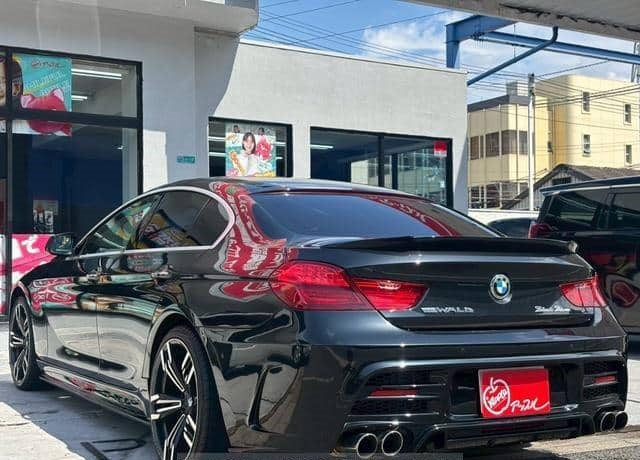
The 2012 BMW 6 SERIES (F13 coupe, F12 convertible and F06 Gran Coupe) is a true grand tourer: elegant, powerful and lavishly equipped. If you’re thinking about buying or owning one, here’s a concise, practical owners’ summary covering what people like, common complaints, and real‑world tips for purchase and ownership.
What owners like
- Styling and presence: The 6 Series is widely praised for its long-hood, low-roof proportions and premium interior — it still turns heads and feels luxurious inside.
- Engines and performance: Both the turbo inline‑6 (commonly fitted to 640i) and the twin‑turbo V8 (650i) deliver strong, smooth acceleration. The V8 is especially effortless on the highway and enjoyable for spirited driving.
- Comfort and refinement: Despite sporty handling, the 6 Series remains a comfortable long‑distance cruiser with supportive seats, good NVH isolation and a well-damped ride—especially in non‑M Sport setups.
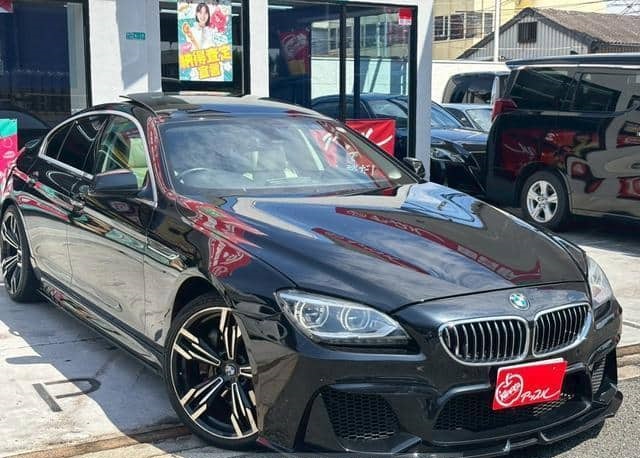
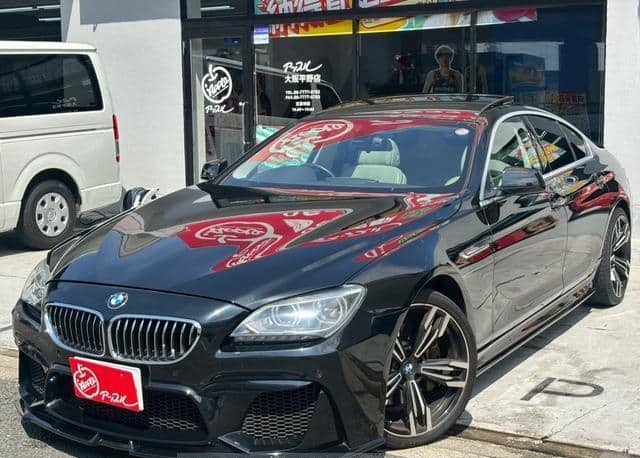
- Gran Coupe practicality: The Gran Coupe mixes coupe looks with four doors and usable rear seats — an appealing balance for buyers who need occasional rear‑seat access.
- Equipment and tech: High-quality materials, good infotainment options (iDrive), optional premium sound systems and robust options lists make well-equipped examples feel special.
- Value used: Heavy depreciation on expensive new cars makes a well-maintained 6 Series an attainable luxury GT on the used market.
What owners commonly complain about
- Running costs: Fuel, insurance, tires and repairs are higher than mainstream cars. Premium parts and labor add up.
- Engine-related service items: The twin‑turbo V8 (N63 family) can be associated with higher oil consumption, oil leaks and pricey repairs if neglected. The turbocharged inline‑6 is generally more economical but still requires attentive maintenance.
- Cooling and ancillaries: Water pumps, thermostats and radiator components can wear and are moderately expensive to replace on these cars.
- Electronics and infotainment: iDrive units, sensors, and various modules sometimes exhibit glitches on older examples; repairs can be costly depending on whether the unit needs replacement.
- Convertible-top issues: On the convertible model, seals, hydraulics and motorised mechanisms may need attention as the car ages. Check operation thoroughly when buying.
- Costly optional features: Active suspension systems, adaptive roll stabilization and some electronics are great when working but expensive to repair.
Real‑world buying tips
- Get a BMW specialist pre‑purchase inspection (PPI): Have a technician who knows F06/F12/F13 cars check for oil leaks, smoke on start, boost-related fault codes, trans behavior and the condition of suspension bushings. A diagnostic scan can reveal stored fault codes that indicate pending issues.
- Check maintenance history: Regular oil changes with the correct BMW oil spec, documented services, and cooling system work are good signs. Cars with incomplete service records should be treated cautiously.
- Inspect for oil leaks and consumption: Look under the car and at the oil filler cap for sludge. Test‑drive and observe oil level behavior over a week if possible — some turbo V8s are known to use oil faster if not well maintained.
- Verify convertible/top operation: For convertibles check roof cycling, seals, trunk clearance and listen for odd noises. Have the top operate while a technician inspects the mechanism.
- Check electronics and options: Verify iDrive, navigation, backup camera, parking sensors, adaptive headlights and seat functions. Repairing infotainment modules or adaptive components can be expensive.
- Prefer a well-optioned but maintained example: Extra features add convenience and value, but prioritize documented upkeep over a long option list on a neglected car.
- Consider extended warranty or certified pre‑owned: If you’re not prepared for surprise repair bills, a transferable extended warranty or choosing a certified pre‑owned example reduces financial risk.
Ownership tips and recommended maintenance
- Regular oil service with high‑quality synthetic oil: Use the oil grade recommended by BMW and change at sensible intervals; turbo engines are sensitive to neglect.
- Proactively address cooling system parts: Replace water pump, thermostat and hoses on schedule (or proactively around 80–100k miles) to avoid roadside failures and costly collateral damage.
- Watch for carbon buildup: Direct‑injection engines can accumulate intake valve carbon. If misfires or rough idling appear, request a walnut‑blast cleaning from your shop.
- Transmission service: Even if BMW lists the fluid as “lifetime,” many owners recommend a fluid and filter service at sensible intervals (check with a specialist) to prolong the gearbox life.
- Use proper tires and alignments: Sporty setup and wide wheels put wear on tires and suspension; keep alignment correct and replace tires with quality replacements for handling and safety.
- Address minor electrical faults early: Fixing smaller electronic issues early often prevents larger failures and keeps diagnostic costs lower.
Final thoughts
The 2012 BMW 6 Series is a rewarding grand tourer: stylish, powerful and comfortable. It offers a compelling mix of performance and luxury, particularly in Gran Coupe form for buyers who need some practicality. However, it’s an expensive car to maintain if neglected; the major keys are a thorough pre‑purchase inspection, a documented service history, and a readiness to address higher routine and repair costs. If you buy wisely — prioritizing condition over options and considering an extended warranty — the 6 Series can be an exceptional used luxury coupe or convertible that still delivers the “BMW” driving experience.
FAQs
Is the 2012 BMW 6 Series reliable?
Reliability depends greatly on prior care. Engines are durable if regularly serviced; turbo V8s can be more demanding. A well-maintained car with a full service history is a much safer bet than a cheap, neglected example.
Which engine should I choose — inline‑6 or V8?
The inline‑6 (640i) is generally more economical and cheaper to maintain; the V8 (650i) offers extra effortless power and a richer soundtrack but may incur higher running costs and repair bills.
How much should I budget for maintenance and repairs?
Expect higher-than-average costs. Annual servicing, tires, brakes and occasional repairs can add up — budgeting for preventative maintenance and an emergency repair fund (or warranty) is recommended.
Are convertible tops a problem?
Convertibles add complexity. Mechanics and seals can wear with age; inspect the top in operation and check for water intrusion, tear or noisy operation before buying.
Should I buy one with adaptive/sport options?
Optional adaptive systems improve driving dynamics but increase potential repair costs. If you value those features, ensure they work and weigh the maintenance risk versus the driving benefits.
For any specific example you’re looking at, getting a specialist PPI and asking for BMW‑specific service records will give you the clearest picture of future ownership cost and satisfaction.