

If someone asks “what is the fuel economy of the 2023 BMW 6 SERIES?” the question is incomplete. BMW sells more than one body style and multiple engine/trim combinations, and fuel‑economy figures are reported under different test cycles depending on the market. Before you can compare or pick a number, you need to be specific about three things: the body style (Gran Turismo vs. Gran Coupé), the trim/engine (e.g., 630i / 640i / M60i / M), and the market/standard used for the rating (US EPA vs. Europe WLTP). This article explains why those distinctions matter and how to use the right figures for your needs.
Body styles: 6 Series Gran Turismo vs. 6 Series Gran Coupé
The name “6 Series” has been applied to different vehicles. Two common variants you might encounter are:
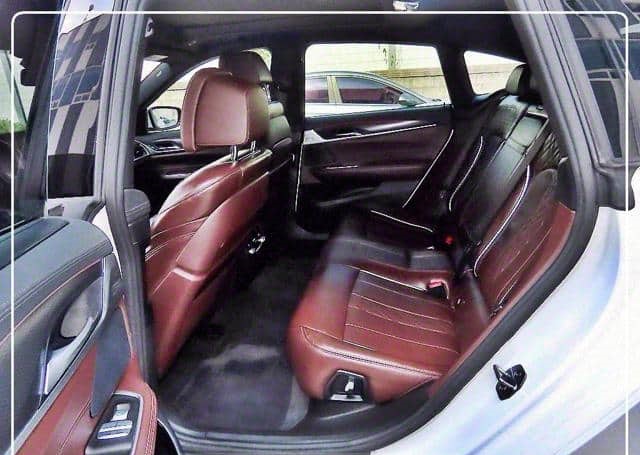
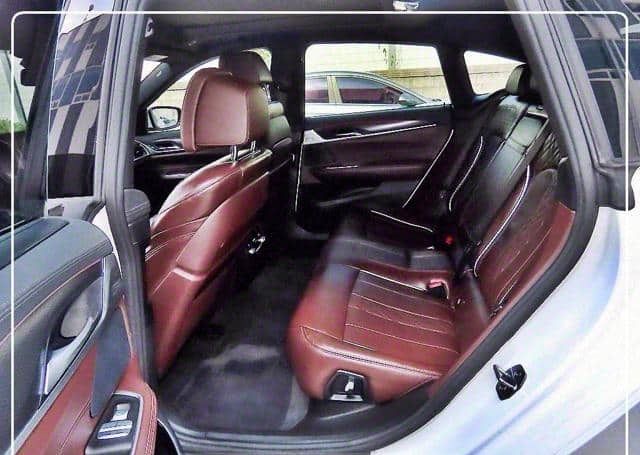
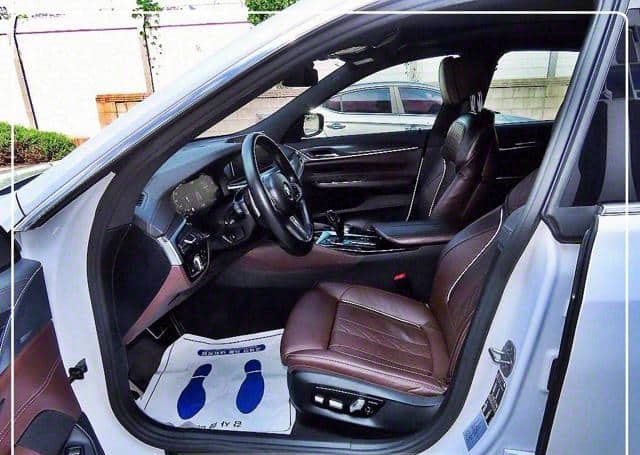
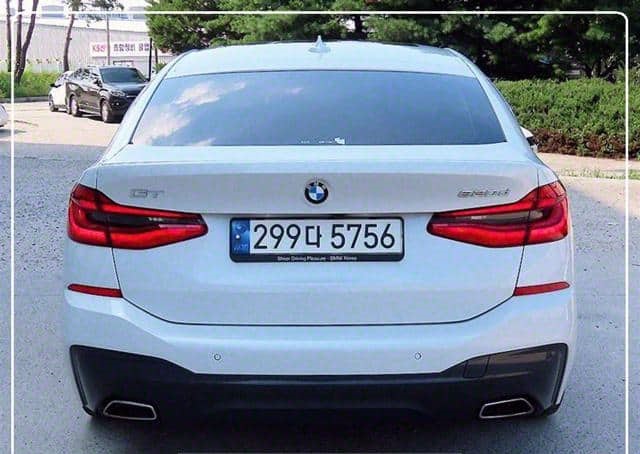
- 6 Series Gran Turismo (GT) — a liftback-style, fastback hatch with a taller roofline and focus on passenger comfort and cargo versatility. The GT tends to be heavier and less aerodynamic than a low-slung coupe-shaped car, which usually affects fuel consumption.
- 6 Series Gran Coupé (4‑door coupe) — a sleeker, sportier four‑door with a coupe-like profile. The Gran Coupé usually emphasizes driving dynamics and lower drag, which can translate to slightly better fuel economy at highway speeds compared with a higher‑roof GT, all else equal.
In short: when comparing MPG or L/100 km, make sure you’re comparing the same body style. A GT and a Gran Coupé with the same engine and drivetrain will often return different real‑world fuel use.
Trim and engine matter a lot: 630i, 640i, M60i, M
BMW’s numeric and letter codes indicate the engine and performance level — and that directly affects fuel consumption.
- 630i — typically a turbocharged 4‑cylinder petrol engine. Lighter and more economical than the six‑cylinder options; usually the best choice if fuel economy is a priority.
- 640i — typically a turbocharged inline‑6. More power, smoother high‑speed cruising, but generally higher fuel consumption than the 630i.
- M60i / M Performance — a high‑output six (often with mild‑hybrid assistance) offering sharp performance; more fuel use than the non‑M variants, though mild‑hybrid tech can improve transient efficiency.
- Full M models — track‑oriented M cars have the highest power and the lowest fuel economy among the range due to larger turbos, higher output tuning, wider tires and often more aggressive gearing.
Other trim features that affect consumption include drivetrain (rear‑wheel drive vs. xDrive all‑wheel drive), wheel/tire size (bigger wheels often increase fuel use), and optional performance packages. If your comparison mixes different drivetrains or wheel sizes, expect the numbers to diverge.
Which market matters for fuel‑economy figures: US EPA vs. Europe WLTP?
Fuel‑economy figures are not universal. Two widely used standards are the US Environmental Protection Agency (EPA) ratings and the Worldwide Harmonized Light Vehicles Test Procedure (WLTP) used in Europe and other regions. Key points:
- Different test cycles: EPA and WLTP use different laboratory procedures, speeds, durations, and assumptions about accessory use and temperature. That means the mpg or L/100 km numbers are produced under different conditions and are not directly interchangeable.
- Which is more “real world”? Neither is perfect, but the EPA methodology is designed to be conservative and closer to real‑world US driving patterns for many vehicles. WLTP is more dynamic and representative of European driving styles and tends to produce numbers that differ — sometimes showing higher fuel consumption than older European tests less often used today. The relationship varies by vehicle.
- Which one matters for you? Use the rating that matches the market in which you will drive the car. For buyers in the United States, EPA figures are the relevant, legally required values and are what most consumers and reviewers use. For buyers in Europe, the WLTP numbers published by manufacturers and regulators are the ones to use.
If you’re comparing a US-spec EPA number to a European WLTP number, don’t assume one is universally “better” — they simply answer different regional questions. For cross-market comparisons, look for independent real‑world testing (automotive magazines, long‑term tests, owner reports) rather than trusting direct numerical comparisons between EPA and WLTP.
How to get reliable comparisons
To compare models fairly:
- Pick the exact body style and trim (e.g., 2023 640i Gran Coupé xDrive with 19″ wheels).
- Compare like for like in the same market and testing standard (EPA vs EPA, WLTP vs WLTP).
- Factor in optional equipment that affects weight/drag (roof racks, bigger wheels, performance brakes).
- Check independent real‑world tests and owner forums for typical usage patterns — highway vs city can make a big difference.
Where to find official numbers
Official figures can be found on the EPA’s fueleconomy.gov database for US models and on manufacturer sites or national vehicle registries for WLTP data in Europe. Manufacturer brochures often list WLTP results for the European market and EPA numbers for US models.
Final thoughts
Asking “what is the fuel economy of the 2023 BMW 6 Series?” is only the first step. You must specify which 6 Series (Gran Turismo or Gran Coupé), which trim/engine (630i, 640i, M60i, or M), and which market’s test cycle (US EPA or Europe WLTP). Body style and trim materially affect consumption, and EPA and WLTP numbers aren’t directly comparable. Use the standard that applies to your country for purchase decisions, and consult independent real‑world tests for the most practical picture of everyday fuel use.
FAQs
- Q: If I live in the US, should I care about WLTP numbers?
- A: Not really for purchase decisions—use EPA numbers for US purchases. WLTP can be informative for general trends but won’t reflect US certification or typical local driving patterns.
- Q: Will the 630i always be more efficient than the 640i?
- A: Generally yes, because the 630i usually has a smaller, 4‑cylinder engine. However, drivetrain (xDrive), wheel size, and options can narrow the gap, and mild‑hybrid tech on larger engines can sometimes improve transient efficiency.
- Q: Are M or M Performance models significantly worse for fuel economy?
- A: Typically yes—higher output, heavier brakes and tires, and sportier gearing make M models less fuel‑efficient. Modern M Performance cars sometimes use hybrid tech to mitigate consumption, but performance models still consume more in everyday driving.
- Q: Can I convert WLTP to EPA to compare directly?
- A: There’s no reliable universal conversion because the tests simulate different driving behaviors and conditions. For cross‑market comparisons, rely on independent road tests or manufacturer claims for each market.
- Q: Where can I find owner‑reported real‑world MPG?
- A: Owner forums, long‑term tests from car magazines, and aggregated data on some car websites provide real‑world mpg reports. These can be very helpful to understand everyday fuel use beyond lab figures.


