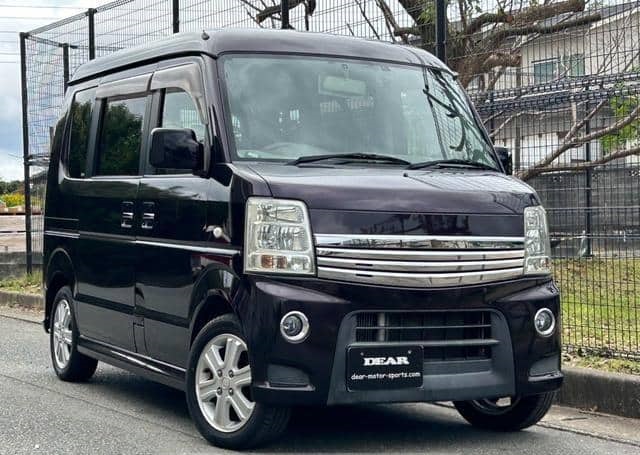
The 2010 SUZUKI EVERY WAGON is a versatile vehicle known for its compact size and practical design. As with any vehicle, regular inspection of critical components such as the suspension, steering, and brakes is essential for maintaining safety and performance. This article provides an in-depth guide to inspecting these key areas, helping you ensure your SUZUKI EVERY Wagon remains in excellent condition.
Suspension Inspection
The suspension system comprises several components, including springs, shock absorbers, and various bushings. This system is crucial for providing a smooth ride and maintaining vehicle stability.
Key Points to Consider:
Visual Inspection: Start by visually examining the suspension components for signs of wear or damage. Look for rust, corrosion, and any visible cracks or leaks.
Shock Absorbers: Check the shock absorbers for any signs of fluid leakage. Bounce the vehicle up and down; if it continues to bounce after releasing, the shocks may need replacing.
Spring Condition: Inspect the coil springs for sagging or broken coils. If the vehicular stance appears uneven, this could indicate a spring problem.
Bushings: Examine the rubber bushings for cracking or degradation. Worn bushings can affect ride quality and alignment.
Alignment Issues: If the vehicle pulls to one side or experiences uneven tire wear, it may need a wheel alignment service.
Steering Inspection
The steering system directly affects how you control the vehicle. Proper functioning is crucial for safety and maneuverability.
Key Points to Consider:
Power Steering Fluid: Check the power steering fluid level and condition. Low or contaminated fluid can lead to steering difficulties.
Steering Rack: Inspect the steering rack for leaks and ensure that all connections are secure. A worn rack can contribute to poor steering responses.
Steering Column: Look for any unusual noises or excessive play in the steering wheel, which may indicate a problem with the steering column or joints.
Tire Condition: Examine the tires for uneven wear patterns, as this can indicate misalignment or steering issues.
Road Test: Take the vehicle for a short drive and pay attention to how the steering feels. It should be responsive without excessive play.
Brakes Inspection
Braking systems are vital for safety. Regular inspection ensures that the vehicle stops effectively and efficiently.
Key Points to Consider:
Brake Pads: Check the thickness of the brake pads. If they are less than 1/8th of an inch, it’s time to replace them.
Brake Rotors: Inspect the rotors for warping, scoring, or excessive wear. Smooth rotors are essential for effective braking.
Brake Fluid: Check the brake fluid level and quality. Low or dirty fluid can affect braking performance.
Brake Lines: Inspect the brake lines for leaks or damage. Look for any signs of corrosion, particularly at connection points.
Road Test: During the test drive, pay attention to any unusual noises when braking, such as squealing or grinding, which may indicate a need for maintenance.
Final thoughts
Regular inspection of the suspension, steering, and brakes in your 2010 SUZUKI Every Wagon is essential for ensuring safe and reliable performance. By paying attention to the key points outlined in this guide, you can spot potential issues early and address them before they become more serious problems. Always consult a qualified mechanic if you’re unsure about any issues you find during your inspection, and keep a regular maintenance schedule to ensure your vehicle remains in top condition.
Frequently Asked Questions (FAQs)
1. How often should I inspect my Suzuki Every Wagon’s suspension, steering, and brakes?
It is recommended to conduct a thorough inspection every 10,000 miles or at least once a year, depending on your driving habits and conditions.
2. What are the signs that my suspension needs repair?
Look for signs such as excessive bounce, uneven tire wear, or a noticeable decrease in ride comfort.
3. How do I know if my brakes need to be replaced?
Common indicators include thin brake pads, a grinding noise when braking, or a brake warning light on your dashboard.
4. Can I perform these inspections myself?
While some inspections can be done at home with basic tools, it’s best to consult a professional mechanic for a more comprehensive evaluation.
5. How do I maintain my steering system?
Regularly check the power steering fluid and keep an eye on any unusual noises or steering responses.
The Suzuki Every Wagon PZ 2017 has garnered attention in Uganda for its compact design and functionality, making it a popular choice among families. Known for its spacious interior and...
The SUZUKI EVERY PC 2020 presents a unique option for families in Uganda, where practicality and space are paramount. With its compact design paired with ample interior capacity, this vehicle...
With the growing emphasis on eco-friendliness and fuel efficiency, the automotive industry has seen a significant rise in demand for smaller engines. One such engine that stands out in this...
The SUZUKI EVERY WAGON PZTB 2020 is increasingly recognized for its practicality in urban environments, particularly within Uganda’s bustling cities. Known for its compact design and versatile interior, this vehicle...
Family owned dealership of new and pre-owned vehicles with several locations across the Uganda. Lowest prices and the best customer service guaranteed.
You're almost there, select at least one more to compare!
We use cookies to ensure that we give you the best experience on our website. If you continue to use this site we will assume that you are happy with it.
You can revoke your consent any time using the Revoke consent button.