With the growing emphasis on eco-friendliness and fuel efficiency, the automotive industry has seen a significant rise in demand for smaller engines. One such engine that stands out in this category is the 660cc engine. Primarily used in compact cars and micro vehicles, this engine size has become synonymous with city driving. Let’s delve deeper into the features, benefits, and practical implications of a 660cc engine.
What is Engine Capacity?
Engine capacity, usually measured in cubic centimeters (cc), refers to the total volume of all the cylinders in an engine. This figure gives a rough estimate of how much air and fuel mix can be combusted to create power. The larger the capacity, the higher the power output. However, it’s essential to note that a large engine isn’t the sole determinant of a car’s performance. Factors such as engine technology, weight, and vehicle design also play vital roles.
The 660cc Engine: An Overview
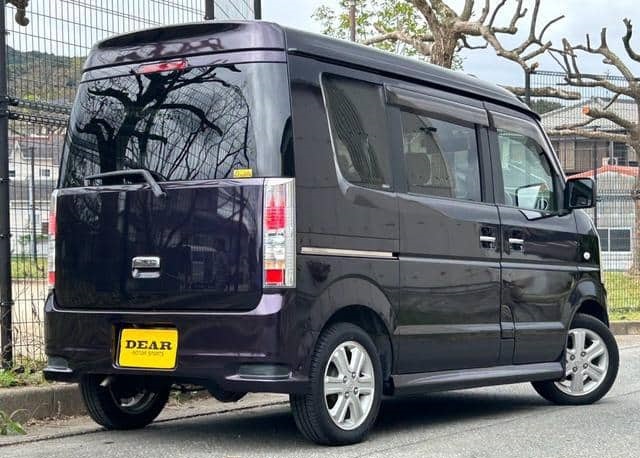
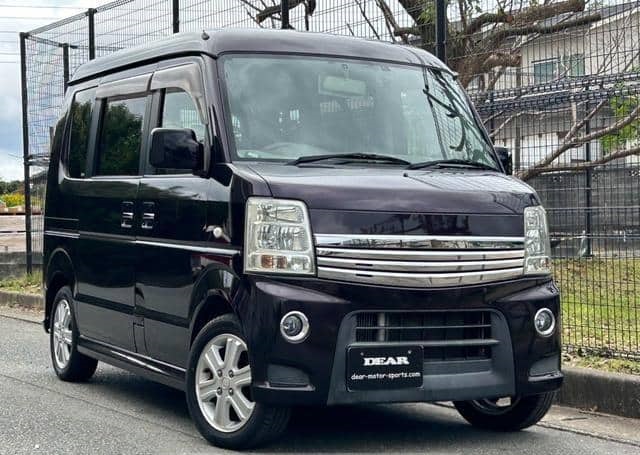
Specifically designed for fuel efficiency while still providing sufficient power for urban environments, the 660cc engine is most commonly found in kei cars. These are small vehicles popular in Japan, characterized by their compact size and lightweight construction. Here are some features and benefits of the 660cc engine:
Fuel Efficiency: The 660cc engine is designed to offer excellent fuel economy, making it an economical choice for city dwellers who often face stop-and-go traffic.
Compact Size: Its smaller size allows for greater maneuverability and ease of parking, essential in congested urban areas.
Lower Emissions: Smaller engines generally produce less carbon dioxide, aligning with global efforts to reduce greenhouse gas emissions.
Cost-Effective: Vehicles equipped with a 660cc engine are often less expensive to maintain and insure.
Ideal for Short Distances: While not designed for high-speed highways, this engine provides adequate power for short city trips.
Performance and Features
The performance of a 660cc engine can vary between models, but they generally provide a satisfying balance of power and efficiency. These engines are often turbocharged, which helps enhance performance without significantly increasing fuel consumption. Typical power output for a 660cc engine ranges from 50 to 70 horsepower, enough for day-to-day driving needs in urban settings.
The lightweight nature of the vehicles that house these engines further ensures that acceleration and agility are maintained. With curb weights often under 1000 kg, a 660cc vehicle is nimble enough to navigate tight corners and crowded streets effortlessly.
Advantages of a 660cc Engine for City Driving
When it comes to city driving, there are numerous advantages to opting for a vehicle with a 660cc engine:
Improved Fuel Economy: The inherent design of a 660cc engine allows for better fuel consumption, crucial for those who drive in the city where fuel efficiency directly translates to savings.
Compact Designs: Many vehicles with a 660cc engine are designed to take up minimal space, making them practical for city living.
Lightweight Structure: The lighter weight of these vehicles can lead to reduced tire wear and longer vehicle life.
Lower Registration Fees: In some regions, smaller engines may qualify for lower taxes and registration fees, making them a financially savvy choice.
The Future of 660cc Engines
The automotive world is continually evolving, with an increasing focus on sustainability and efficiency. The 660cc engine is well-positioned in this transitional phase, particularly as manufacturers explore hybrid and electric alternatives. While it may not provide the power needed for highway driving, its unique advantages for urban environments ensure it remains relevant.
In recent years, advancements in engine technology—such as direct fuel injection and enhanced turbocharging—have allowed even small engines to perform like their larger counterparts without sacrificing efficiency. This innovation is likely to keep the 660cc engine in demand in the near future.
Final thoughts
To sum up, the 660cc engine offers a remarkable combination of fuel efficiency, compact design, and adequate power for city driving. Ideal for urban dwellers looking for practical yet economical transportation, this engine type continues to gain traction. With increasing concerns over environmental issues and the rising cost of living, vehicles equipped with a 660cc engine present a sensible choice for the modern driver. As automotive technology continues to evolve, the future looks promising for the 660cc engine.
FAQs
1. Is a 660cc engine suitable for highway driving?
While a 660cc engine can manage short highway trips, it is primarily designed for city driving and may struggle with sustained high speeds due to limited power output.
2. Are there any disadvantages to using a 660cc engine?
Some disadvantages include limited power for steep inclines or long-distance travel. Also, a 660cc engine may not be ideal for larger families or those requiring more luggage space.
3. What type of vehicles typically feature a 660cc engine?
These engines are commonly found in kei cars, compact cars, and small city-oriented vehicles. Popular examples include models from SUZUKI, DAIHATSU, and NISSAN.
4. How does a 660cc engine compare to larger engines in terms of emissions?
In general, smaller engines like the 660cc produce lower emissions than larger engines, making them a more environmentally friendly option.
5. Can I modify a 660cc engine for better performance?
Yes, modifications can be made, such as installing a turbocharger or improving the exhaust system. However, any modifications should be done carefully to maintain efficiency and comply with local regulations.
The Suzuki Every Wagon PZ 2017 has garnered attention in Uganda for its compact design and functionality, making it a popular choice among families. Known for its spacious interior and...
The SUZUKI EVERY PC 2020 presents a unique option for families in Uganda, where practicality and space are paramount. With its compact design paired with ample interior capacity, this vehicle...
The SUZUKI EVERY WAGON PZTB 2020 is increasingly recognized for its practicality in urban environments, particularly within Uganda’s bustling cities. Known for its compact design and versatile interior, this vehicle...
When selecting the right vehicle for your needs, one of the first decisions to make is whether you should opt for a cargo van or a passenger wagon. Each configuration...
Family owned dealership of new and pre-owned vehicles with several locations across the Uganda. Lowest prices and the best customer service guaranteed.
You're almost there, select at least one more to compare!
We use cookies to ensure that we give you the best experience on our website. If you continue to use this site we will assume that you are happy with it.
You can revoke your consent any time using the Revoke consent button.