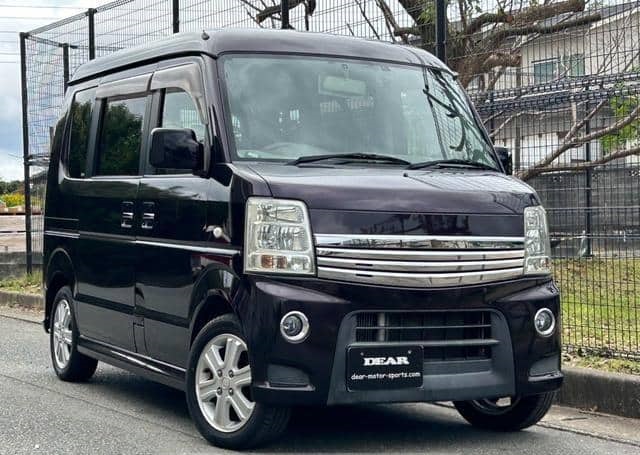
When it comes to automobiles, the engine is often considered the heart of the vehicle. It powers the car and directly affects its performance. Understanding the intricacies of an engine and how they contribute to a vehicle’s overall performance is essential for both enthusiasts and everyday drivers alike.
The Engine: An Overview
An engine converts fuel into mechanical energy, which drives the vehicle. The type and design of the engine play crucial roles in determining how efficiently this conversion occurs and its overall power output. Below are the primary types of engines:
Internal Combustion Engines (ICE): The most common type found in vehicles today, relying on the combustion of fuel (gasoline or diesel) to produce power.
Electric Engines: These utilize electric energy stored in batteries, offering instant torque and significantly reducing carbon emissions.
Hybrid Engines: Combining internal combustion and electric power, these have become popular for their fuel efficiency.
Key Components Affecting Performance
1. Cylinder Configuration
The engine’s cylinder configuration (I4, V6, V8, etc.) impacts its displacement, power output, and efficiency. While inline-4 engines are typically more fuel-efficient, V6 and V8 engines provide greater horsepower, appealing to performance-driven consumers.
2. Turbocharging and Supercharging
Turbochargers and superchargers force more air into the engine, allowing for enhanced combustion. This increase in air results in a significant boost in power without a significant increase in engine size.
3. Fuel Type
The type of fuel a vehicle uses can also greatly impact performance. Higher octane fuels allow more aggressive engine tuning, enhancing performance without risking knock (premature combustion).
Measuring Performance: Key Metrics
When evaluating engine performance, there are several metrics to consider:
Horsepower: A measure of the engine’s power output. Higher horsepower generally means better acceleration and performance.
Torque: Refers to the engine’s rotational force. High torque is essential for quick acceleration, especially from a standstill.
Acceleration: Often measured in 0-60 mph times, this metric indicates how quickly a vehicle can reach speed.
Fuel Efficiency: Measured in miles per gallon (MPG), this aspect is crucial for consumers concerned about operational costs and environmental impact.
The Role of Transmission
The transmission is another vital component that affects how power from the engine is delivered to the wheels. There are several types of transmissions:
Automatic Transmissions: These shift gears automatically, providing ease of use for daily driving.
Manual Transmissions: Offering more control, these require drivers to shift gears manually, often enhancing the driving experience for performance-oriented individuals.
Continuously Variable Transmissions (CVT): These offer smooth and efficient power delivery by adjusting seamlessly between gear ratios.
Impact of Engine Performance on Driving Experience
The engine’s performance significantly impacts the overall driving experience. A high-performance engine provides quick acceleration and responsive handling, which can transform everyday driving into an exhilarating experience. Performance enthusiasts often seek cars with specific powertrains that offer thrilling drives on both highways and racetracks.
Engine Technologies Revolutionizing Performance
Modern engines employ various technologies that enhance performance:
Variable Valve Timing (VVT): This technology optimizes engine performance at different RPMs by adjusting the timing of the valve openings and closings.
Direct Fuel Injection: This system injects fuel directly into the combustion chamber, improving efficiency and power.
Hybrid and Electric Technologies: As environmental concerns grow, innovations in hybrid and electric engines are continually improving overall vehicle performance with benefits like instant torque delivery.
Final thoughts
Understanding the engine and its relationship to vehicle performance is essential for anyone seeking to appreciate the mechanics behind their automobiles. From the different types of engines to the metrics by which we measure performance, this knowledge enables consumers to make informed decisions and enthusiasts to fully appreciate the capabilities of their vehicles. As automotive technology advances, we can look forward to even more significant improvements in both engine performance and overall driving experiences.
FAQs
What type of engine is best for performance?
The best engine for performance often depends on individual preferences. V6 and V8 engines provide more horsepower, while turbocharged and high-performance inline engines can also deliver impressive outputs with better efficiency.
How does turbocharging affect fuel efficiency?
Turbocharging can enhance fuel efficiency by allowing smaller engines to perform better without sacrificing power. By forcing in more air, turbocharged engines can burn fuel more completely, improving mileage.
Are electric engines as powerful as traditional engines?
Electric engines deliver instant torque, which can give them a significant advantage in acceleration. While traditional engines may offer sustained power at higher speeds, electric engines are often quicker off the line.
What is the meaning of torque in terms of car performance?
Torque refers to the rotational force produced by an engine. It is crucial for determining how well a car accelerates from a standstill and is especially important for tasks like towing or hauling heavy loads.
The Suzuki Every Wagon PZ 2017 has garnered attention in Uganda for its compact design and functionality, making it a popular choice among families. Known for its spacious interior and...
The SUZUKI EVERY PC 2020 presents a unique option for families in Uganda, where practicality and space are paramount. With its compact design paired with ample interior capacity, this vehicle...
With the growing emphasis on eco-friendliness and fuel efficiency, the automotive industry has seen a significant rise in demand for smaller engines. One such engine that stands out in this...
The SUZUKI EVERY WAGON PZTB 2020 is increasingly recognized for its practicality in urban environments, particularly within Uganda’s bustling cities. Known for its compact design and versatile interior, this vehicle...
Family owned dealership of new and pre-owned vehicles with several locations across the Uganda. Lowest prices and the best customer service guaranteed.
You're almost there, select at least one more to compare!
We use cookies to ensure that we give you the best experience on our website. If you continue to use this site we will assume that you are happy with it.
You can revoke your consent any time using the Revoke consent button.