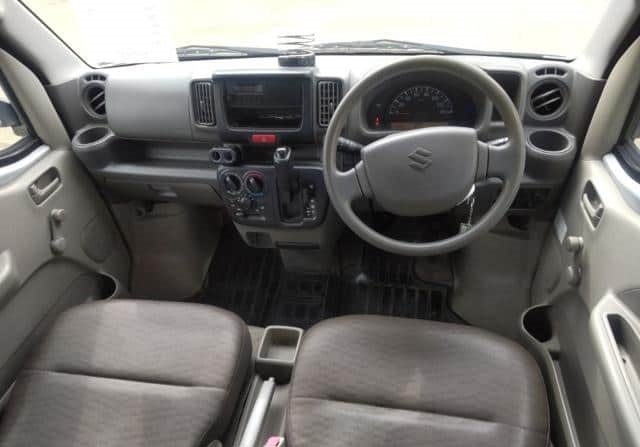
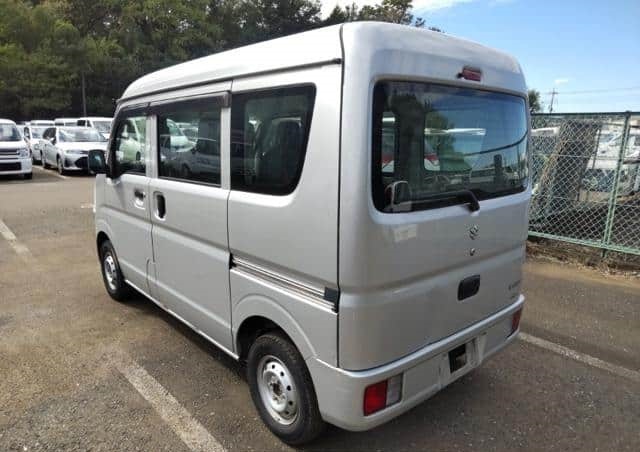
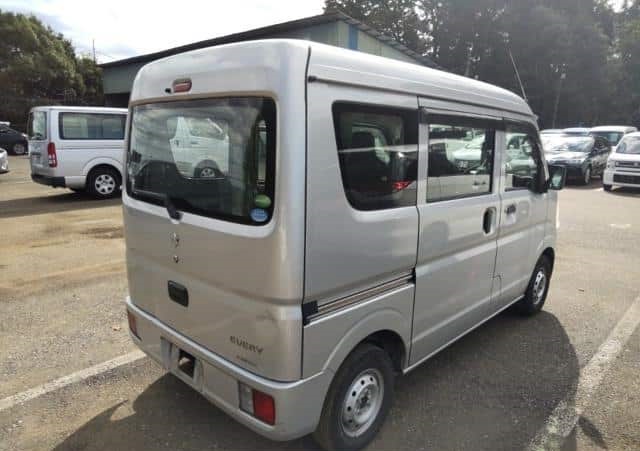
Seating configuration refers to how seats are arranged within a vehicle, significantly impacting its functionality and usability. A well-considered seating configuration can maximize both passenger capacity and cargo space, making it an essential element for families and commercial applications alike. As vehicles evolve, especially with advancements in modular design, the need for flexible seating arrangements has become increasingly relevant.
The Importance of Versatile Seating Arrangements
In today’s fast-paced environment, families and businesses often require multifunctional vehicles capable of adapting to diverse needs. Whether it’s a family trip, a weekend getaway, or a commercial task, seating configurations that offer flexibility can enhance the overall experience.
Families on the Go
For families, a vehicle’s seating configuration can be a game-changer. Parents often juggle multiple children, sports equipment, groceries, and other necessities. A versatile seating arrangement allows families to:
Maximize Passenger Capacity: Certain configurations enable a vehicle to accommodate more passengers without sacrificing comfort.
Expand Cargo Space: When there are fewer passengers, families can fold down or rearrange seats to create additional cargo space for strollers, luggage, or even furniture.
Easily Access Child Seats: Configurations that include sliding or removable seats make it easier to install and reach child safety seats, enhancing safety and convenience.
Commercial Uses
In commercial settings, adaptable seating can mean the difference between success and failure. Businesses like ride-sharing, delivery services, or even shuttle services benefit from vehicles designed with flexible seating. Here’s how:
Customizable Space: Depending on the day’s demand, businesses can modify their seating arrangements to either accommodate more passengers or create space for equipment and goods.
Cost Efficiency: Vehicles that can transition between passenger and cargo modes minimize the need for multiple vehicles, cutting down operational costs.
Versatile Use Cases: A vehicle can serve multiple purposes – driving clients one day, transporting goods the next. Flexibility in seating configurations allows seamless transitions.
Types of Versatile Seating Configurations
Various seating configurations cater to the diverse needs of families and businesses. Here are some popular options:
Bench Seating
Often found in vans and larger vehicles, bench seats allow for maximizing passenger capacity. They can be designed to fold down, converting passenger space into cargo area on-demand.
Captain’s Chairs
These are individual seats that provide additional comfort and style. Typically seen in luxury vehicles, they often swivel or recline, allowing for easier conversation and various seating needs.
Modular Seats
With modern advancements, modular seat designs can be rearranged or removed altogether. This adaptability makes them ideal for users who need both passenger and cargo capabilities at different times.
Split-Folding Seats
A favorite among SUV and crossover owners, this configuration allows part of the seating to remain while folding down another section, providing a balance between passengers and cargo.
Factors to Consider When Choosing a Seating Configuration
Choosing the right seating configuration involves several considerations:
Passenger Needs: Assess how many passengers typically travel together.
Cargo Requirements: Determine if there’s a consistent need for cargo space. If so, explore vehicles with adaptable configurations that can switch between passenger and cargo modes easily.
Comfort Level: Ensure the selected configuration allows for a comfortable ride, especially for long journeys.
Ease of Use: Evaluate how easy it is to adjust the seating. Complicated systems can deter users from utilizing flexible options.
Final thoughts
Seating configurations are a crucial aspect of vehicle design that can significantly enhance usability for both families and commercial users. Versatile arrangements that allow for increased passenger capacity or cargo space not only make a vehicle more functional but also contribute to a more enjoyable driving experience. As the automotive industry continues to innovate, the demand for adaptable seating solutions is only expected to grow. Whether you’re a family on the go or a commercial business seeking efficiency, the right seating configuration can transform your travel and transportation experience.
FAQs
1. What is the most versatile seating configuration?
Modular seating configurations are often regarded as the most versatile due to their ability to be rearranged or removed based on needs.
2. Are vehicles with flexible seating arrangements more expensive?
The initial cost may be higher, but they can lead to savings as they fulfill multiple roles, thus minimizing the need for multiple vehicles.
3. How do I know if a seating configuration is suitable for my family?
Assess your family’s typical travel needs, including the number of passengers and any gear you frequently transport.
4. Can commercial vehicles be customized for seating arrangements?
Yes, many commercial vehicles offer customization options to meet specific business needs, including flexible seating configurations.
The Suzuki Every Wagon PZ 2017 has garnered attention in Uganda for its compact design and functionality, making it a popular choice among families. Known for its spacious interior and...
The SUZUKI EVERY PC 2020 presents a unique option for families in Uganda, where practicality and space are paramount. With its compact design paired with ample interior capacity, this vehicle...
With the growing emphasis on eco-friendliness and fuel efficiency, the automotive industry has seen a significant rise in demand for smaller engines. One such engine that stands out in this...
The SUZUKI EVERY WAGON PZTB 2020 is increasingly recognized for its practicality in urban environments, particularly within Uganda’s bustling cities. Known for its compact design and versatile interior, this vehicle...
Family owned dealership of new and pre-owned vehicles with several locations across the Uganda. Lowest prices and the best customer service guaranteed.
You're almost there, select at least one more to compare!
We use cookies to ensure that we give you the best experience on our website. If you continue to use this site we will assume that you are happy with it.
You can revoke your consent any time using the Revoke consent button.