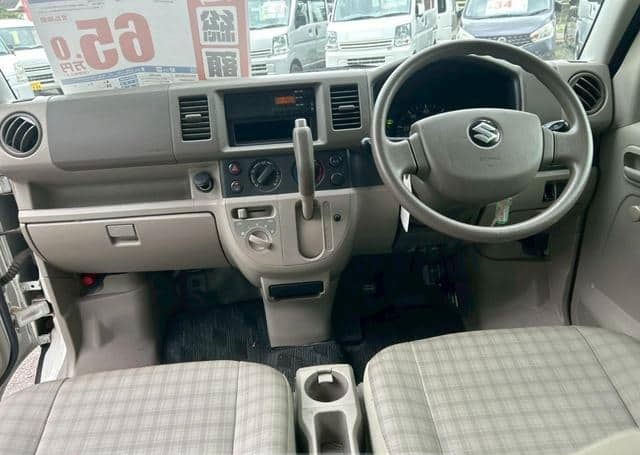
The Check Engine Light (CEL), also referred to as the Malfunction Indicator Light (MIL), is a crucial indicator on your vehicle’s dashboard that can inform you of engine-related issues. This small light can cause a lot of anxiety for vehicle owners wishing to maintain the longevity and performance of their automobiles. But what does it really mean when it lights up? In this guide, we will explore the functionality of the Check Engine Light, its common causes, and what steps you should take if it illuminates.
What Is the Check Engine Light?
The Check Engine Light is part of your vehicle’s On-Board Diagnostics (OBD) system, which monitors the performance of the engine and other vital components. When it detects a problem, a signal is sent to the Engine Control Unit (ECU), causing the light to illuminate on your dashboard. The light can either be a steady glow or a blinking signal, each signifying different levels of severity.
Common Causes of the Check Engine Light
1. Loose or Damaged Gas Cap
One of the simplest issues that can trigger the Check Engine Light is a loose or cracked gas cap. This can lead to fuel vapors escaping into the atmosphere, disrupting the fuel system’s pressure.
2. Faulty Oxygen Sensors
Oxygen sensors monitor the level of oxygen in the exhaust gases and help maintain the ideal air-fuel mixture. If these sensors malfunction, the engine may run inefficiently, leading to increased fuel consumption and higher emissions.
3. Malfunctioning Catalytic Converter
The catalytic converter is responsible for converting harmful gases from the engine into less harmful substances before they exit through the exhaust system. A failure in this component can severely affect engine performance and is often expensive to replace.
4. Ignition Coil Issues
Ignition coils are crucial for starting your vehicle. If one or more coils fail, it may lead to poor fuel economy, decreased engine performance, and is a common reason for the Check Engine Light to illuminate.
5. Engine Misfire
An engine misfire occurs when the air-fuel mixture in one or more cylinders doesn’t ignite properly. This may lead to stalling, poor performance, and increased emissions, which can trigger the Check Engine Light.
What to Do If Your Check Engine Light Comes On
When your Check Engine Light activates, it’s essential to take the following steps:
1. Do Not Panic
While the light can suggest serious issues, many problems are minor and easily fixable. If the light is steady and you notice no other significant issues, you may continue driving but should plan to address it soon.
2. Check for Obvious Problems
Look for simple issues such as a loose gas cap or any visible leaks under the car. Tightening the gas cap may resolve the issue.
3. Use an OBD-II Scanner
Utilizing an OBD-II scanner can help you retrieve error codes from the car’s computer, identifying the specific issue causing the light to turn on. Many auto parts stores offer free diagnostic tests.
4. Consult a Professional
If the problem persists, schedule an appointment with a certified mechanic. They can provide a detailed analysis and necessary repairs to ensure your vehicle remains safe and operational.
Preventive Measures
To avoid the Check Engine Light from unexpectedly coming on in the future, consider the following preventive measures:
Regular maintenance checks
Change spark plugs as per the manufacturer’s guidelines
Ensure the gas cap is always secure
Use quality fuel from reputable suppliers
Final thoughts
The Check Engine Light (MIL) is a critical alert system designed to inform drivers of potential engine problems. While it can be alarming when it lights up, many issues can be resolved with minor adjustments. Understanding its functions and maintaining your vehicle proactively can save you from costly repairs and ensure a smooth-driving experience. Always consult a qualified mechanic if you are uncertain of the issue or how to proceed.
FAQs
1. Is it safe to drive with the Check Engine Light on?
It depends on the nature of the problem. If the light is steady, you might be fine for a short trip, but if it’s blinking, it indicates a severe issue. It’s best to pull over and assess the situation.
2. How much does it cost to fix a Check Engine Light issue?
The cost can vary significantly based on the underlying issue, ranging from a few dollars for a loose gas cap to hundreds or thousands for major repairs like a catalytic converter replacement.
3. Can I reset the Check Engine Light?
You can reset the light using an OBD-II scanner, but it’s essential to address the underlying problem first. Simply resetting the light will not fix the issue.
4. Will the Check Engine Light go off by itself?
In some cases, if the issue resolves itself (e.g., a loose gas cap is tightened), the light may turn off after a certain number of drive cycles. However, it’s advisable to investigate and not rely solely on this.
The Suzuki Every Wagon PZ 2017 has garnered attention in Uganda for its compact design and functionality, making it a popular choice among families. Known for its spacious interior and...
The SUZUKI EVERY PC 2020 presents a unique option for families in Uganda, where practicality and space are paramount. With its compact design paired with ample interior capacity, this vehicle...
With the growing emphasis on eco-friendliness and fuel efficiency, the automotive industry has seen a significant rise in demand for smaller engines. One such engine that stands out in this...
The SUZUKI EVERY WAGON PZTB 2020 is increasingly recognized for its practicality in urban environments, particularly within Uganda’s bustling cities. Known for its compact design and versatile interior, this vehicle...
Family owned dealership of new and pre-owned vehicles with several locations across the Uganda. Lowest prices and the best customer service guaranteed.
You're almost there, select at least one more to compare!
We use cookies to ensure that we give you the best experience on our website. If you continue to use this site we will assume that you are happy with it.
You can revoke your consent any time using the Revoke consent button.