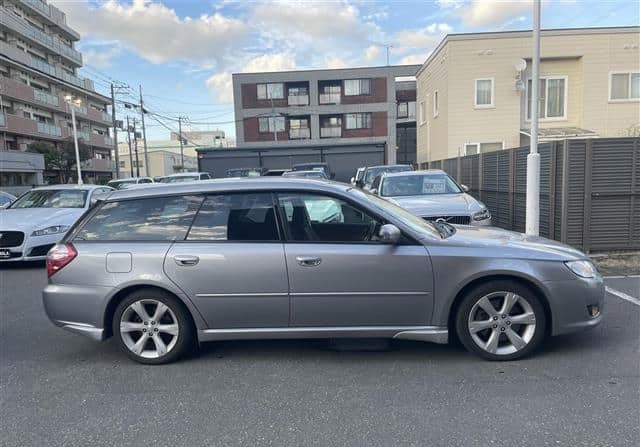
As a proud owner of a 2007 SUBARU LEGACY TOURING WAGON, it’s essential to keep your vehicle in peak condition. Regular maintenance not only prolongs the life of your car but also ensures safe and efficient performance. In this article, we will provide an overview of when to replace belts, filters, and brake parts for your SUBARU LEGACY, along with helpful tips for maintaining your vehicle.
When to Replace Belts
Belts are vital components of your SUBARU‘s engine, driving various systems like the alternator, power steering, and water pump. Over time, they can wear out and crack, leading to significant issues if not addressed.
Timing Belt: Generally, the timing belt should be replaced every 105,000 miles or every 7-10 years, whichever comes first. Checking for signs of wear, such as fraying or cracking, is crucial.
Serpentine Belt: The serpentine belt, which runs multiple accessories, typically needs replacement every 60,000 to 100,000 miles. Look for cracks, glazing, or any signs of wear.
When to Replace Filters
Filters play a crucial role in maintaining the performance and cleanliness of your vehicle. Regularly changing filters can improve fuel efficiency, reduce emissions, and extend engine life.
Oil Filter: It’s recommended to replace the oil filter every time you do an oil change, typically every 3,000 to 7,500 miles, depending on oil type.
Air Filter: Check the air filter every 15,000 to 30,000 miles. A clogged air filter can reduce engine efficiency.
Fuel Filter: The fuel filter should generally be replaced every 30,000 miles. A clean fuel filter ensures the engine receives the right amount of fuel.
Cabin Air Filter: Replace the cabin air filter every 15,000 to 30,000 miles for optimal air quality within the vehicle.
When to Replace Brake Parts
Your Subaru’s braking system is one of the most critical safety features, and it’s important to stay on top of maintenance.
Brake Pads: Brake pads should be inspected every 10,000 miles. Generally, they should be replaced every 30,000 to 70,000 miles depending on driving conditions and habits.
Brake Rotors: Brake rotors should be inspected alongside brake pads. They may need replacing or resurfacing after 50,000 miles, depending on wear.
Brake Fluid: Brake fluid should be changed every 2 years to ensure your braking system remains effective.
Final thoughts
Following these general guidelines for your 2007 Subaru Legacy Touring Wagon will help you maintain its optimum performance and safety. Regular inspections and timely replacements of belts, filters, and brake parts are crucial to ensuring a long life for your vehicle. Always consult your owner’s manual for specifics regarding your model, and when in doubt, consider seeking assistance from a qualified mechanic to ensure that everything is functioning as it should.
FAQs
1. How often should I perform maintenance on my Subaru Legacy?
It’s advisable to perform maintenance checks every 5,000 to 10,000 miles, depending on the type of oil used and driving conditions.
2. What are the symptoms of a failing timing belt?
Signs include unusual noises from the engine, engine misfiring, and oil leaks around the timing belt cover. If you notice these symptoms, consult a mechanic immediately.
3. Can I replace brake parts myself?
Yes, if you have mechanical knowledge and the appropriate tools, you can replace brake parts, but it’s recommended to get assistance from a professional if you are unsure.
4. Why is it important to replace air filters?
A clean air filter improves fuel efficiency and engine performance while preventing dirt and debris from entering the engine.
5. What happens if I ignore replacing worn belts?
Ignoring worn belts can lead to engine failure or can cause loss of power steering, alternator failure, or overheating, which could lead to costly repairs.
Understanding Manufacturer’s Warranty When you purchase a new vehicle, it typically comes with a manufacturer’s warranty. This warranty is a promise from the manufacturer to cover certain repairs and services...
When purchasing a vehicle or assessing your own, it’s crucial to perform a thorough inspection for signs of rust, dents, or scratches. These elements not only affect the aesthetics of...
The Subaru Legacy B4 2014 is known for its blend of performance and comfort, attributes that have made it a popular choice among drivers in various conditions. In Uganda, where...
When it comes to maintaining your vehicle or any device, one of the most valuable resources at your disposal is the owner’s manual. This document provides crucial information tailored specifically...
Family owned dealership of new and pre-owned vehicles with several locations across the Uganda. Lowest prices and the best customer service guaranteed.
You're almost there, select at least one more to compare!
We use cookies to ensure that we give you the best experience on our website. If you continue to use this site we will assume that you are happy with it.
You can revoke your consent any time using the Revoke consent button.