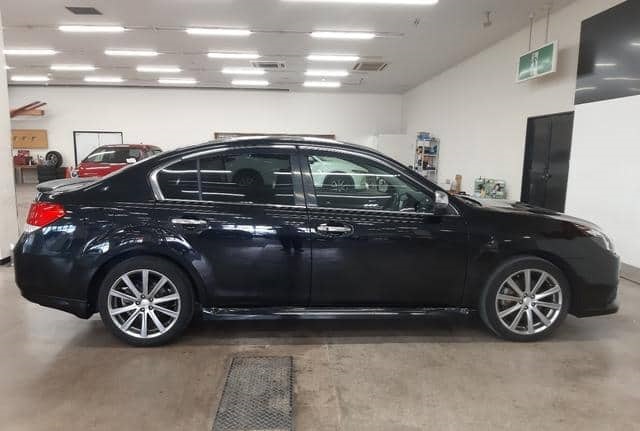
When purchasing a vehicle or assessing your own, it’s crucial to perform a thorough inspection for signs of rust, dents, or scratches. These elements not only affect the aesthetics of the vehicle but can also indicate larger underlying issues. This article will delve into the significance of inspecting for these imperfections, the methods to identify them, and what actions to take based on your findings.
The Importance of Inspection
Inspecting a vehicle for signs of rust, dents, and scratches is essential in maintaining its value and ensuring its longevity. Rust can compromise the structural integrity of the vehicle, while dents and scratches may lead to further damage if not addressed promptly. Ignoring these issues can result in costly repairs down the line.
Understanding Rust
Rust is a form of corrosion that occurs when metal is exposed to moisture and oxygen. This phenomenon weakens the metal over time and can lead to serious structural issues. Here are the signs to look for:
Surface Rust: Often appears as small reddish-brown spots on the body or undercarriage.
Pitting: A more serious form of rust where small holes form in the metal.
Flaking Paint: Indicates underlying rust that can lead to more severe corrosion.
Visible Damage: Check areas around wheel wells, under the car, and near the fuel tank where rust is likely to develop.
Identifying Dents
Dents can affect both the appearance and value of a vehicle. While some may appear minor, they can hide deeper issues. Here’s how to identify and assess them:
Visual Inspection: Look for irregularities in the body lines and an inconsistent surface finish.
Light Reflection: Stand out a flashlight or use sunlight to create reflections that highlight the dents.
Feel the Surface: Run your hand over the body to feel for any imperfections that may be overlooked visually.
Panel Gaps: Uneven gaps between panels may indicate underlying structural damage.
Examining for Scratches
Scratches can vary from minor surface issues to deep gouges that affect the paint and metal beneath. Here are some ways to assess scratches:
Depth Check: Light scratches may only affect the clear coat, while deeper scratches can reach the paint and metal.
Color Variance: If scratches reveal a different color underneath, it’s likely that the paint has been compromised.
Location: Check areas prone to scratches, such as door edges and bumpers, especially in urban driving environments.
Rust Formation: Scratches that expose bare metal can lead to rust if not treated.
Mitigating the Damage
If you find signs of rust, dents, or scratches, immediate action is crucial to prevent further deterioration. Here are some recommended steps:
Rust Treatment: Use a wire brush to clean the rusted area, treat with a rust remover, and apply touch-up paint.
Dent Repair: For shallow dents, consider using a hairdryer and ice method or consult a professional for deeper dents.
Scratch Repair: Use scratch repair kits that match your car’s paint or consult a professional for larger scratches.
Regular Maintenance: Wash and wax your vehicle regularly to protect against rust and maintain the paint finish.
Final thoughts
Inspecting for signs of rust, dents, and scratches is a fundamental aspect of vehicle maintenance. By being proactive in identifying and addressing these issues, you can preserve your vehicle’s value and ensure its longevity. Regular inspections, coupled with immediate actions based on your findings, will help to maintain the condition of your vehicle and save you from larger repair costs in the future.
FAQs
1. How often should I inspect my vehicle for rust, dents, and scratches?
It’s advisable to inspect your vehicle at least once a month and after harsh weather conditions or incidents that could cause damage.
2. Can I fix these issues myself?
Minor issues can be addressed with DIY methods, but severe damage or rust should be evaluated and repaired by professionals.
3. What should I do if I discover rust?
You should address rust immediately by cleaning the area, applying a rust treatment, and using touch-up paint to prevent further corrosion.
4. Are scratches covered by car insurance?
It depends on your policy. Contact your insurance provider to determine what types of damage are covered under your plan.
5. Will surface scratches affect my vehicle’s resale value?
Yes, surface scratches can negatively impact your vehicle’s resale value. Proper maintenance and repair can help mitigate this effect.
Understanding Manufacturer’s Warranty When you purchase a new vehicle, it typically comes with a manufacturer’s warranty. This warranty is a promise from the manufacturer to cover certain repairs and services...
The Subaru Legacy B4 2014 is known for its blend of performance and comfort, attributes that have made it a popular choice among drivers in various conditions. In Uganda, where...
When it comes to maintaining your vehicle or any device, one of the most valuable resources at your disposal is the owner’s manual. This document provides crucial information tailored specifically...
The initial inspection phase, often referred to as Days 0-30, is critical in a variety of contexts including real estate, construction, automotive industries, and many others. This period serves as...
Family owned dealership of new and pre-owned vehicles with several locations across the Uganda. Lowest prices and the best customer service guaranteed.
You're almost there, select at least one more to compare!
We use cookies to ensure that we give you the best experience on our website. If you continue to use this site we will assume that you are happy with it.
You can revoke your consent any time using the Revoke consent button.