


1. Physical Signs on the Exterior
The most obvious indicators of accident damage are physical signs on the vehicle’s exterior. Look for:
- Dents and Scratches: Small dents or scratches can indicate a minor fender bender, while larger dents may suggest more serious impacts.
- Misaligned Body Panels: If doors, hoods, or trunk lids don’t align properly, it could be a sign of internal damage post-accident.
- Paint Issues: Inconsistent paint color, overspray, or mismatched panels can indicate repairs were made following an accident.
2. Damage to the Frame
The vehicle’s frame is crucial for its structural integrity. Look for signs of potential frame damage, such as:
- Cracks and Bends: Examine the frame for any visible bends or cracks which can compromise safety.
- Corrosion: Rust near welds and joints could indicate a previous repair that wasn’t properly treated.
- Uneven Wheel Gaps: If the distance between the wheel and the body differs from side to side, it may point to frame damage.
3. Mechanical Issues
Accident damage may extend beyond the body and frame of the vehicle, affecting its internal systems:
- Strange Noises: Unusual sounds when turning or braking may indicate suspension or alignment issues caused by an accident.
- Fluid Leaks: Check for any leaks underneath the vehicle. Oil, transmission fluid, or coolant leaks can signal critical damages.
- Electrical Problems: Malfunctioning airbags, headlights, or other electrical components may point to direct impact damage.
4. Airbags
A deployed airbag is often one of the first signs of an accident. If you notice:

- Airbag Warning Light: If this light is on, it may indicate that the airbag system was affected, either by accident or a faulty sensor.
- Deployed Airbags: A deployed airbag is a clear indication of a serious accident. Always check to see if they have been replaced after deployment.
5. Interior Signs of Accident Damage
Don’t forget to inspect inside the vehicle. Signs of interior damage can include:
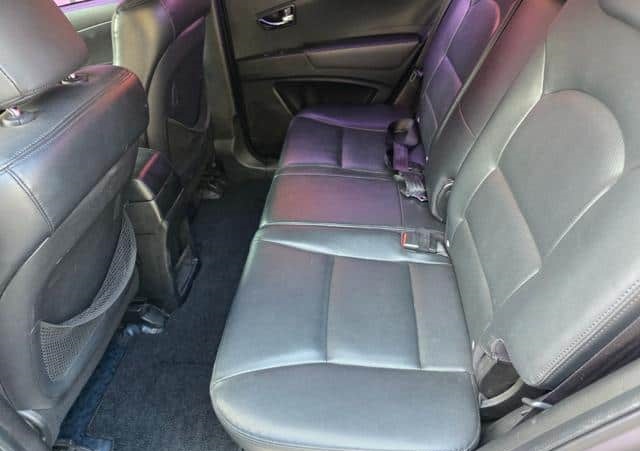
- Seat Damage: Torn or displaced seats may indicate an impact; check for deployment of the seatbelt tensioners.
- Scratches and Stains: Look for unusual stains or scratches on the dashboard or seats, which may indicate repairs.
- Missing Safety Features: If safety features like headliners, seatbelts, or airbag covers are missing or damaged, it could spell trouble.
6. Investigative Tools
To facilitate your inspection, consider using various tools:
- Magnetic Meter: A paint thickness gauge can help you identify if certain areas have been repainted.
- Frame Measuring Tools: These tools assess if the vehicle frame has been straightened or altered in any way.
- Professional Inspection: Sometimes, the best action is hiring a certified mechanic or expert to perform a thorough inspection.


