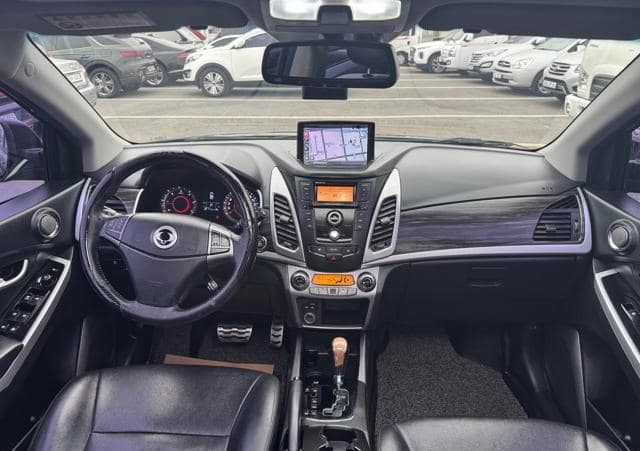
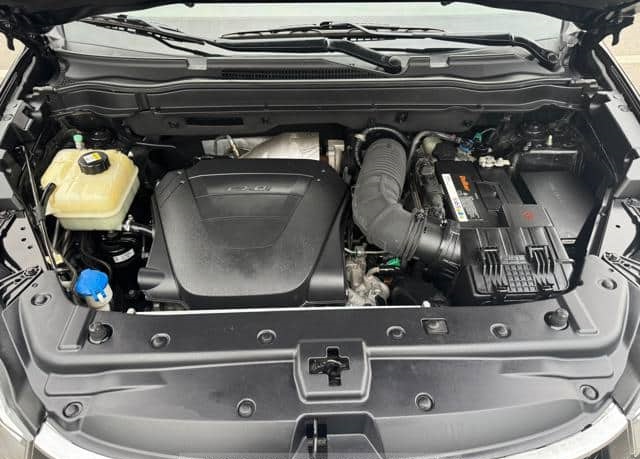
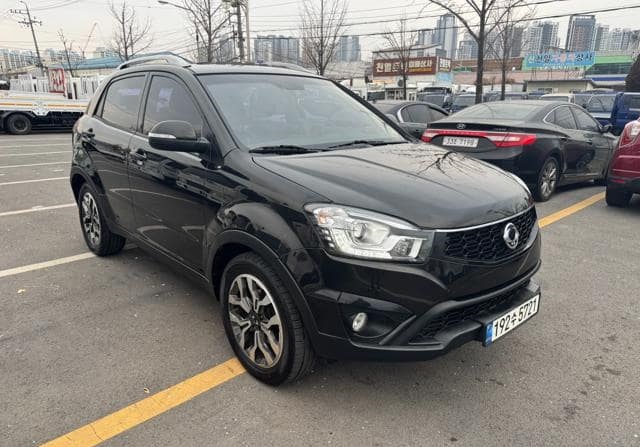
When it comes to purchasing a vehicle, one of the most crucial decisions you’ll make is selecting the right trim level. Vehicle trim levels refer to the different versions or configurations of a particular model, each offering varying equipment levels, performance features, and price points. This article aims to provide a comprehensive overview of what trim levels are, why they matter, and how to select the best option for your needs.
What are Trim Levels?
Trim levels are designations used by automakers to differentiate the features, equipment, performance enhancements, and pricing among various configurations of a vehicle. Each trim typically builds upon the previous one, offering additional features or upgrades that cater to different consumer preferences and budgets.
For example, a popular sedan might have three different trims: a base model, a mid-level model, and a fully-loaded premium version. The base model would generally include essential features, while the higher trims might offer luxury features, advanced technology, improved audio systems, and enhanced safety options.
Why Trim Levels Matter
Understanding trim levels is essential for multiple reasons:
Budget Flexibility: Different trims come at various price points. Knowing your budget can help you narrow down your choices effectively.
Feature Preferences: Different trims offer unique features. If you prioritize safety, for example, you might want to focus on higher trims that include advanced safety technologies.
Resale Value: Higher trims often hold better resale value due to their advanced features.
Performance Options: Some trims include performance-oriented features, such as more powerful engines or sport-tuned suspensions.
Common Types of Trim Levels
Although the specific naming conventions vary by manufacturer, here are some common trim levels you might encounter:
Base Trim
The base trim often serves as the entry-level model. It typically includes essential features, such as basic infotainment, cloth seating, and standard safety equipment. This option appeals to budget-conscious consumers or those who do not require additional comforts.
Mid-Level Trim
Mid-level trims bridge the gap between the base and premium trims. These models usually add enhanced features like upgraded infotainment systems, improved upholstery, and additional safety technologies. This trim is suitable for those looking for a balance of affordability and added functionality.
Premium Trim
The premium trim level, also referred to as luxury or top-of-the-line, offers the most features and upgrades. Expect high-end technology, advanced safety systems, premium sound systems, and superior comfort features such as leather seats and advanced climate control. This option targets consumers who seek luxurious driving experiences.
Sport Trim
Some vehicle models also come with sport trims designed for performance enthusiasts. These trims usually feature sport-tuned suspensions, more powerful engines, and unique design elements. If you prioritize driving performance, a sport trim may be the right choice.
How to Choose the Right Trim Level
Choosing the right trim level requires careful consideration of your driving needs, lifestyle, and budget. Here are some steps to guide you in the decision-making process:
Define Your Budget: Determine how much you’re willing to spend and factor in additional costs like insurance and maintenance.
Identify Essential Features: Make a list of must-have features. Is advanced safety a priority? Do you need a navigation system?
Consider Future Needs: Think about how your needs may change over time. Planning for family growth or frequent road trips could influence your choice.
Test Drive Different Trims: Visit dealerships and test drive models across various trims to get a feel for differences in comfort and performance.
Research Reviews: Read expert and consumer reviews to better understand the nuances of each trim.
Final thoughts
Understanding vehicle trim levels is a key part of the car buying process. With various configurations available, consumers have the flexibility to choose a model that suits their financial situation and lifestyle needs. Each trim level offers different equipment, performance features, and price points, allowing buyers to customize their driving experience according to their preferences.
Taking the time to research and understand these trim levels can ensure that you make an informed choice, leading to a satisfactory vehicle purchase in the long run.
Frequently Asked Questions (FAQs)
1. What is the most important factor to consider when choosing a trim level?
The most important factors often include your budget, desired features, and lifestyle needs. Consider what you value most in a vehicle before making a decision.
2. Do higher trims always have a better resale value?
Generally, higher trims hold better resale value due to their additional features and popularity among buyers looking for a used vehicle.
3. Can I upgrade features in a lower trim level?
Many manufacturers offer optional packages that allow you to add certain features to lower trims, but this may end up costing nearly the same as opting for a higher trim.
4. Is it worth paying extra for a premium trim?
If you value luxury features, enhanced technology, and overall driving comfort, then the added cost for a premium trim may be worth it. Evaluate your preferences carefully.
5. Do all models have the same trim levels?
No, the trim levels differ by manufacturer and model. Some vehicles may have only two trims, while others can offer several variations.
In the ever-evolving automotive landscape, compact SUVs have gained immense popularity for their blend of utility, comfort, and performance. One aspect that has become a focal point for consumers is...
Introduction The Manufacturer’s Suggested Retail Price (MSRP) serves as a standard price set by manufacturers for their vehicles. Understanding the MSRP is essential for consumers as it provides a baseline...
The SsangYong Korando Clubby 4WD 2012 presents an intriguing offering for the rugged terrains of Uganda, a country characterized by diverse landscapes ranging from mountainous regions to expansive wetlands. With...
Introduction If you’re driving a vehicle, you may have experienced that unsettling moment when a light illuminates on your dashboard, specifically the engine light or emissions system light. This light...
Family owned dealership of new and pre-owned vehicles with several locations across the Uganda. Lowest prices and the best customer service guaranteed.
You're almost there, select at least one more to compare!
We use cookies to ensure that we give you the best experience on our website. If you continue to use this site we will assume that you are happy with it.
You can revoke your consent any time using the Revoke consent button.