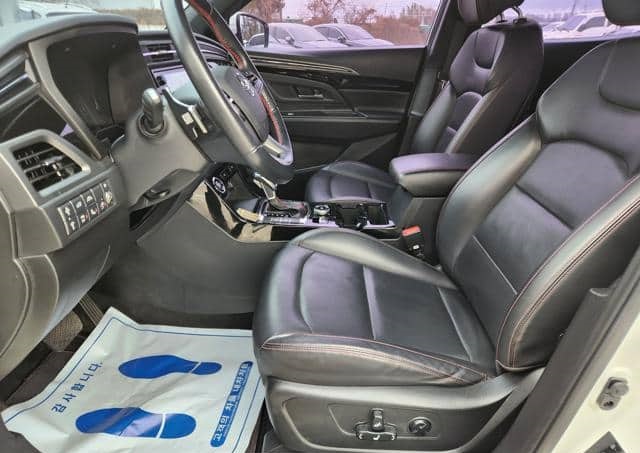
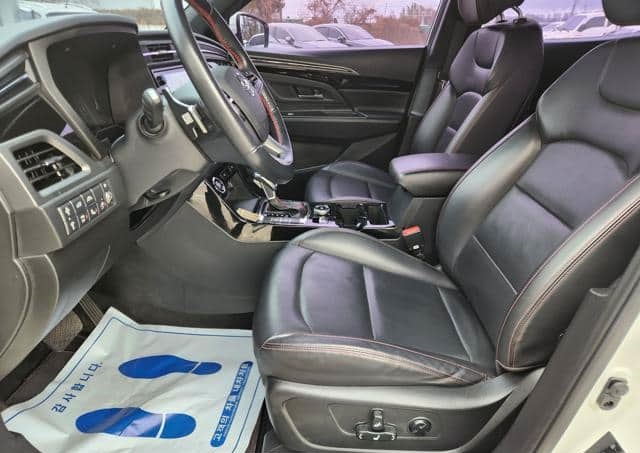
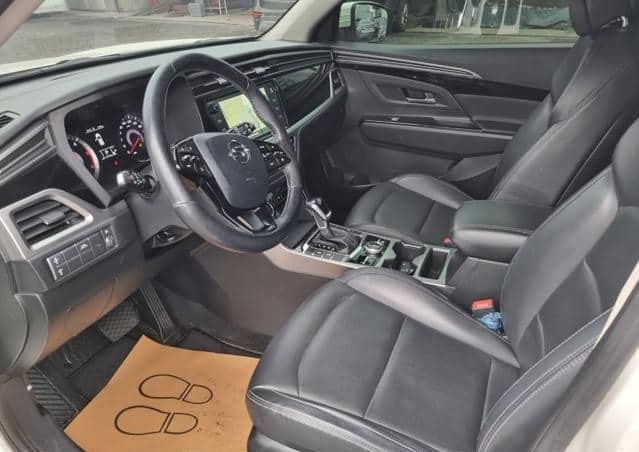
The Korando, a popular compact SUV, has long been known for its comfort, functionality, and reliability. At the core of its performance are two engine choices: a zippy petrol engine and a robust diesel variant. In this article, we will delve into the specifics of each engine option, discussing their respective benefits and ideal usage scenarios, before diving into the conclusions and frequently asked questions.
Petrol Engine: Peppy Performance for City Driving
The petrol variant of the Korando excels in urban environments. With its lightweight construction and responsive mechanics, this engine provides a lively driving experience perfect for navigating the hustle and bustle of city streets.
Throttle Response
A standout feature of the petrol engine is its good throttle response. When driving in stop-and-go traffic or making quick turns, the engine responds promptly to accelerator inputs, allowing for smooth transitions and easy handling. This responsiveness makes it particularly appealing for city dwellers who frequently make short trips and quick stops.
Fuel Efficiency
Another advantage of the petrol engine is fuel efficiency. In an era when rising fuel costs are a concern for many drivers, this variant offers competitive mileage without sacrificing performance. The balance between power and economy is carefully engineered, making it an attractive option for those prioritizing day-to-day affordability.
Engine Specifications
Here are some typical specifications for the Korando’s petrol engine variant:
Engine Capacity: 1.5 liters
Power Output: Approximately 163 horsepower
Torque: Around 280 Nm
Transmission: 6-speed manual or automatic
Diesel Engine: Torque for Highway Acceleration
For those who spend a significant amount of time on highways or require a vehicle capable of more demanding driving situations, the Korando’s diesel engine variant offers an impressive alternative. Renowned for its torque, this engine is engineered for stability and power on faster stretches of road.
Power and Acceleration
The diesel engine stands out with its superior torque output, making it ideal for highway driving and overtaking maneuvers. The strong torque distribution makes for seamless acceleration, especially when merging into traffic or climbing steep hills. Drivers will find that the diesel variant is not just powerful but also consistent, providing a smooth driving experience even at higher speeds.
Fuel Economy
While diesel engines are traditionally known for their superior fuel efficiency over petrol counterparts, this Korando variant continues that legacy. Featuring advanced common-rail technology and turbocharging, it offers impressive fuel economy, especially for long-distance travel.
Engine Specifications
Below are some typical specifications for the Korando’s diesel engine variant:
Engine Capacity: 1.6 liters
Power Output: Approximately 136 horsepower
Torque: Around 320 Nm
Transmission: 6-speed manual or automatic
Comparison of Petrol and Diesel Variants
Choosing between petrol and diesel variants of the Korando ultimately depends on the driver’s lifestyle and preferences. Let’s summarize some of the key differences:
Driving Conditions: The petrol engine is ideal for city driving with its responsiveness, while the diesel engine excels on highways.
Fuel Efficiency: While both engines are efficient, the diesel variant generally offers better mileage over long distances.
Torque: The diesel engine provides more torque, making it preferable for those who need additional power for towing or carrying heavy loads.
Cost of Ownership: The initial costs may vary, with diesel variants often costing more upfront, but they can provide savings on fuel over time.
Final thoughts
To sum up, the Korando’s engine options cater aptly to a variety of driving needs—offering both a sprightly petrol engine for urban dwellers and a robust diesel engine for those who seek power and torque for highway journeys. Understanding the characteristics and advantages of each option can help prospective buyers make informed decisions based on their personal driving requirements and lifestyle. Ultimately, whether you prefer the nippy economy of petrol or the muscular benefits of diesel, the Korando presents a well-rounded, practical choice for modern drivers.
FAQs
1. Which engine is better for city driving?
The petrol engine is generally better for city driving due to its responsive performance and good throttle response, making it ideal for short trips and urban traffic conditions.
2. Is the diesel engine more fuel-efficient than the petrol variant?
Yes, the diesel engine typically offers superior fuel efficiency, especially on longer highway journeys, making it a cost-effective choice for drivers who frequently travel long distances.
3. How does torque impact performance?
Torque is essential for quick acceleration, especially at higher speeds. The diesel variant’s higher torque allows for better performance during overtaking and uphill driving.
4. What are the maintenance costs like for petrol vs. diesel engines?
Diesel engines may have higher maintenance costs due to more complex components and the need for specialized service. However, they can offer savings on fuel costs over time.
5. Can you tow with the Korando?
Yes, both engine variants of the Korando can handle light towing tasks. However, the diesel engine, with its higher torque, is generally better suited for heavier loads.
In the ever-evolving automotive landscape, compact SUVs have gained immense popularity for their blend of utility, comfort, and performance. One aspect that has become a focal point for consumers is...
When it comes to purchasing a vehicle, one of the most crucial decisions you’ll make is selecting the right trim level. Vehicle trim levels refer to the different versions or...
Introduction The Manufacturer’s Suggested Retail Price (MSRP) serves as a standard price set by manufacturers for their vehicles. Understanding the MSRP is essential for consumers as it provides a baseline...
The SsangYong Korando Clubby 4WD 2012 presents an intriguing offering for the rugged terrains of Uganda, a country characterized by diverse landscapes ranging from mountainous regions to expansive wetlands. With...
Family owned dealership of new and pre-owned vehicles with several locations across the Uganda. Lowest prices and the best customer service guaranteed.
You're almost there, select at least one more to compare!
We use cookies to ensure that we give you the best experience on our website. If you continue to use this site we will assume that you are happy with it.
You can revoke your consent any time using the Revoke consent button.