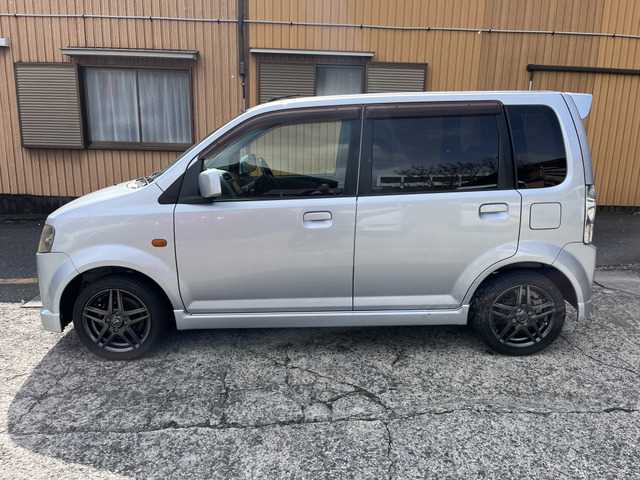
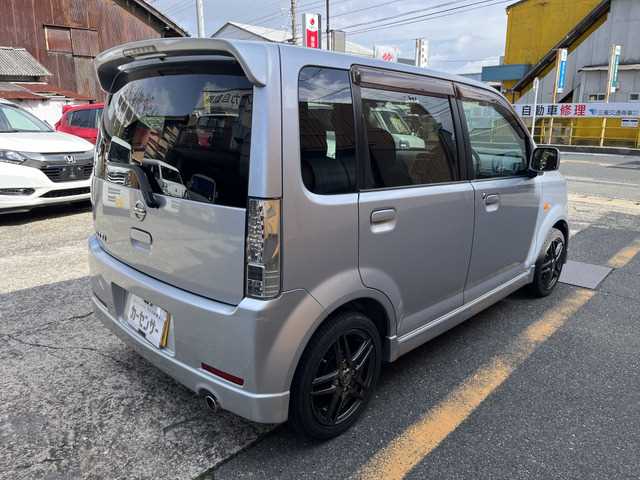
Buying a used car like the 2008 NISSAN OTTI can be a rewarding experience, providing you with a reliable vehicle at a fraction of the cost of a new car. However, it is essential to conduct thorough pre-purchase checks to ensure you are making a sound investment. In this guide, we will cover essential checks, paperwork considerations, and test drive tips that will assist you in making an informed decision.
Essential Checks Before Purchase
Before finalizing your purchase, consider the following checks:
1. Vehicle History Report
Obtaining a vehicle history report is crucial. This report will provide you with information on previous accidents, title issues, and service history. Websites like Carfax and AutoCheck can be useful tools for this.
2. Mileage Verification
Check the car’s mileage against maintenance records. A 2008 NISSAN Otti should have an average mileage around 100,000–150,000 km. If the mileage seems too low or too high, investigate further to ensure it matches the condition of the car.
3. Visual Inspection
Conduct a thorough visual inspection of both the exterior and interior of the car. Look for signs of rust, dents, or mismatched paint. Inside, check for wear and tear on the seats, dashboard, and controls.
4. Mechanical Inspection
Consider hiring a professional mechanic to perform a comprehensive inspection. They can check the engine, brakes, suspension, and other vital components to identify any potential issues. This can save you from unforeseen repair costs later on.
5. Check for Recalls
Research any recalls associated with the 2008 Nissan Otti. You can check with the manufacturer or the National Highway Traffic Safety Administration (NHTSA) to ensure the necessary repairs have been made.
Paperwork Considerations
Ensuring proper paperwork can be the difference between a smooth transaction and a legal headache later on. Here are important documents to consider:
1. Title and Ownership
Always ensure the seller has a clean title for the vehicle. If the title shows any liens or is marked as salvage, proceed with caution. A clean title indicates that the car is free of any legal obligations.
2. Bill of Sale
Request a bill of sale to protect yourself legally and formally document the transaction. The bill of sale should include the vehicle identification number (VIN), make, model, purchase price, and both parties’ addresses.
3. Service Records
If available, ask for a complete service history. Regular maintenance records will show that the previous owner cared for the vehicle, which can be an encouraging sign of reliability.
4. Emissions and Inspection Certificates
Ensure the vehicle meets state emissions requirements and has passed safety inspections. This is essential for registration and can prevent future expenses.
Test Drive Tips
A test drive is one of the most crucial parts of the buying process. Here are some tips to make the most of it:
1. Familiarize Yourself with the Car
Before driving, familiarize yourself with the controls. Make sure everything, from the radio to the lights, functions properly.
2. Drive in Various Conditions
Take the car for a drive in various conditions—highway, residential areas, and different road types. Pay attention to how the car handles, accelerates, and brakes.
3. Listen for Unusual Noises
Listen for any unusual sounds coming from the engine, brakes, or suspension; these could indicate underlying issues.
4. Test the Features
Ensure that all features, such as air conditioning, heating, and electronic components, are in working order. This will help you avoid surprises after the purchase.
5. Don’t Rush Your Decision
Trust your instincts during the test drive. If something feels off, it is worth considering other options. There are plenty of used cars available.
Final thoughts
Buying a used car like the 2008 Nissan Otti can be a valuable investment, providing reliable transportation while saving you money. However, it is vital to conduct thorough checks, ensure that all paperwork is in order, and take the vehicle for a comprehensive test drive. By following the steps laid out in this guide, you can make a well-informed decision that will leave you satisfied with your purchase for years to come.
Frequently Asked Questions (FAQs)
1. What is the average market price for a 2008 Nissan Otti?
The average price varies based on conditions, mileage, and location, but it typically ranges from $3,000 to $5,000.
2. How can I find a reputable seller for a used car?
Consider buying from trusted dealerships, reputable online marketplaces, or word-of-mouth recommendations from friends and family.
3. What should I do if I find a problem after the purchase?
Depending on the terms of the sale and local laws, you may have recourse through warranties or lemon laws. Consult legal advice if necessary.
4. Can I negotiate the price of the car?
Yes, negotiating is standard practice. Do your homework and be prepared to offer a reasonable counter to the listed price based on your research.
5. What should I do if I find a better deal after purchase?
Once the purchase is complete, the price is generally final. However, do not hesitate to reach out to the seller for a potential refund or return if acceptable within their policy.
The fuel efficiency of the Nissan Otti 2010 positions it as a competitive option among small cars in Uganda’s automotive market. This compact vehicle, designed primarily for urban commuting, boasts...
As an experienced car inspector in Uganda, I’ve witnessed firsthand how important reliable vehicles are for various needs across our diverse landscapes. When it comes to city commuting, buyers often...
Owning a vehicle comes with its share of responsibilities, one of them being maintaining its appearance and functionality. Over time, vehicles are exposed to various environmental factors that can cause...
Proper maintenance is crucial for the longevity and performance of your 2014 NISSAN OTTI. This checklist provides a comprehensive overview of essential tasks you should focus on within the first...
Family owned dealership of new and pre-owned vehicles with several locations across the Uganda. Lowest prices and the best customer service guaranteed.
You're almost there, select at least one more to compare!
We use cookies to ensure that we give you the best experience on our website. If you continue to use this site we will assume that you are happy with it.
You can revoke your consent any time using the Revoke consent button.