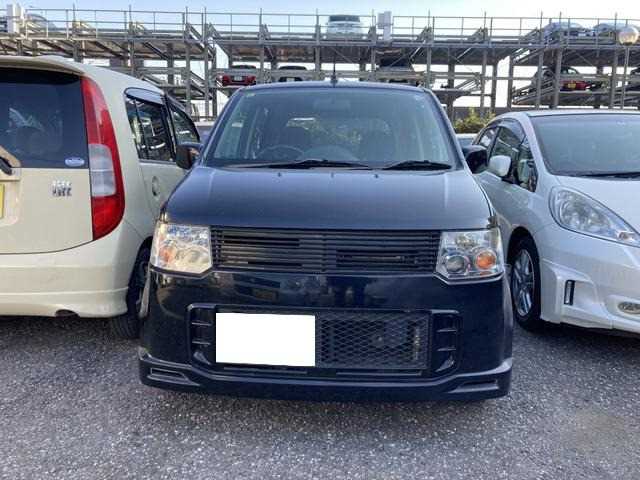
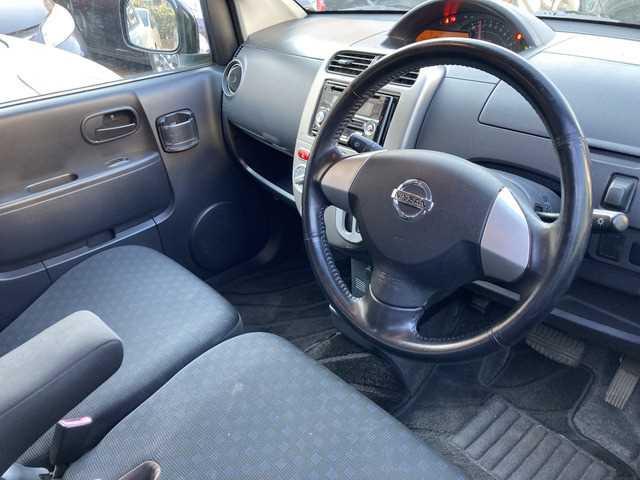
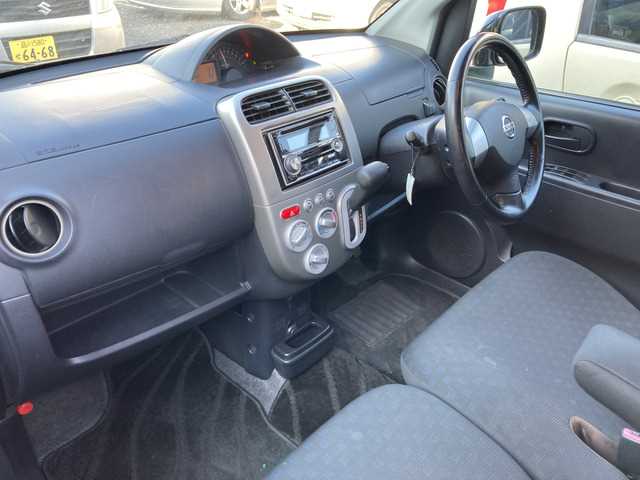
The fuel efficiency of the Nissan Otti 2010 positions it as a competitive option among small cars in Uganda’s automotive market. This compact vehicle, designed primarily for urban commuting, boasts an impressive fuel economy that appeals to budget-conscious drivers looking for cost-effective solutions in a developing economy. When compared to other small car models, the Otti’s efficiency can be particularly favorable, making it an attractive choice for those navigating the challenges of fuel prices and maintenance costs. Factors such as engine size, weight, and aerodynamics contribute to its performance, allowing drivers to stretch their resources further. Additionally, the growing trend towards eco-friendly vehicles amplifies the relevance of fuel efficiency in consumer decision-making. In a landscape marked by diverse automotive offerings, the Otti’s performance stands out, especially for first-time buyers and those seeking reliable, economical transport.
Introduction
The NISSAN OTTI 2010 stands out in the compact car segment, especially when it comes to fuel efficiency. For many Uganda drivers, especially with fluctuating fuel prices, understanding how the OTTI compares to other small cars is vital. Let’s explore its performance and efficiency in detail.
Understanding Fuel Efficiency
Fuel efficiency, commonly measured in kilometers per liter (km/L), helps drivers gauge how far they can travel on a specific amount of fuel. The OTTI offers a competitive km/L rating, making it an attractive option for urban commuting in Uganda’s busy cities.
NISSAN OTTI 2010 Fuel Efficiency
The NISSAN OTTI 2010 achieves approximately 18-20 km/L, depending on driving conditions and maintenance. This rating is commendable for a small vehicle, especially on Uganda’s varied roads.
Engine and Performance
Equipped with a 660cc engine, the OTTI balances power and economy. The engine’s design prioritizes fuel conservation, making it suitable for city driving and longer rural trips.
Comparison with Other Small Cars
When assessing the OTTI, it’s essential to compare it with similar models like the Suzuki Alto and Toyota Vitz.
Suzuki Alto
The Suzuki Alto usually offers a similar fuel efficiency, ranging from 18 to 21 km/L. Both cars are quite comparable, but the Alto may edge out slightly in highway conditions.
Toyota Vitz
The Toyota Vitz, another popular choice in Uganda, averages about 17-19 km/L. While it’s slightly less efficient than the OTTI, it offers a reputation for reliability.
Maintenance and Driving Habits
Fuel efficiency isn’t solely determined by the vehicle’s specifications. Regular maintenance, tire pressure, and driving habits greatly influence how much fuel a car consumes. Keeping the OTTI in good condition ensures optimal performance.
Urban Driving Conditions
In congested areas like Kampala, fuel efficiency can vary. The OTTI performs well in stop-and-go traffic, minimizing fuel wastage. Its compact size allows for easy navigation, further enhancing its practicality for city dwellers.
Long-Distance Travel
For drivers looking to make longer journeys, the OTTI’s lightweight design contributes to its efficiency on highways. However, it’s important to consider weight and cargo for optimal results.
Factors Influencing Fuel Consumption
Several factors affect fuel efficiency:
Driving Speed: Higher speeds generally decrease km/L.
Route Type: Urban versus rural roads show different consumption rates.
Load: Carrying excess weight can reduce efficiency.
Local Fuel Prices and Its Impact
With fluctuations in fuel prices in Uganda, understanding fuel efficiency becomes even more critical. The OTTI’s efficiency can help mitigate rising fuel costs, making it a smart choice for cost-conscious drivers.
Summary
The NISSAN OTTI 2010 offers a solid fuel efficiency rating that holds up well against other small cars like the Suzuki Alto and Toyota Vitz. Its compact design and engine efficiency make it suitable for both urban and rural driving conditions. Regular maintenance and responsible driving habits can enhance its performance, ensuring a hassle-free driving experience in Uganda.
FAQs
1. What is the fuel efficiency of the NISSAN OTTI 2010?
The NISSAN OTTI 2010 achieves approximately 18-20 km/L.
2. How does the OTTI compare to the Suzuki Alto?
The Suzuki Alto provides a similar fuel efficiency of 18-21 km/L, making them competitive with each other.
3. What affects the fuel consumption of the OTTI?
Factors include driving speed, route type, load carried, and overall vehicle maintenance.
4. Is the NISSAN OTTI good for city driving?
Yes, its compact size and efficient engine make it an excellent choice for navigating city traffic.
5. How can I improve the fuel efficiency of my OTTI?
Regular maintenance, maintaining optimal tire pressure, and adopting smooth driving habits can enhance fuel efficiency.
The Land Rover Discovery 3 Manual Diesel 2008 is a robust vehicle well-suited for the varied terrains of Uganda, where off-road driving is often essential. Known for its advanced four-wheel...
The LAND ROVER DISCOVERY 3 2009, produced in 2009, embodies a robust design and advanced features that cater to off-road enthusiasts, making it a notable contender for Uganda’s diverse terrains....
The Land Rover Discovery 30-Diesel 2015 is a vehicle designed for both luxury and rugged terrain, making it a popular choice for adventurers in Uganda. With its powerful diesel engine,...
The 2009 Land Rover Discovery 4 Automatic Diesel stands out for its robust engineering and off-road capabilities, making it a potential fit for Uganda’s diverse terrain. With a powerful diesel...
Family owned dealership of new and pre-owned vehicles with several locations across the Uganda. Lowest prices and the best customer service guaranteed.
You're almost there, select at least one more to compare!
We use cookies to ensure that we give you the best experience on our website. If you continue to use this site we will assume that you are happy with it.
You can revoke your consent any time using the Revoke consent button.