

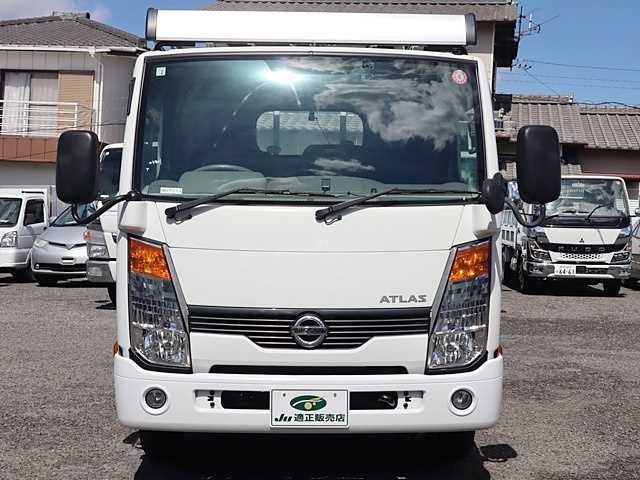
Importing a used 2019 NISSAN ATLAS into Uganda is a common choice for businesses and fleet operators because of its durability and parts availability. This practical, easy-to-follow guide covers where to buy, the basic import and clearance steps, typical costs and documents you should prepare, and key pitfalls to avoid. Always verify current regulations and rates with the Uganda Revenue Authority (URA) and work with a trusted clearing and transport agent.
1. Where to Buy
Common sources for a 2019 NISSAN Atlas:

- Japanese exporters and auction houses — a primary source for used light/medium trucks (auctions like USS, AUCNET; exporters and brokers who consolidate lots and arrange export).
- Online car-export platforms — established exporters list stock with photos, inspection reports and shipping options (examples include large Japanese export aggregators and independent dealers).
- Middle Eastern dealers (UAE) and UK used-vehicle markets — sometimes good for quickly available stock but watch for right-hand/left-hand drive compatibility.
- Local sellers in East Africa — occasional direct purchases from sellers in Kenya or Tanzania can shorten transport distance, but prices and condition may vary.
2. Basics of Import & Clearance (High-Level Steps)
- Choose a reputable supplier and confirm vehicle details: VIN/chassis number, engine number, photos of exterior/interior/engine, odometer reading, and any damage history.
- Decide shipping method: RoRo (roll-on/roll-off) is usually cheaper for vehicles and common for trucks; container shipping adds protection but is costlier.
- Book shipping and obtain the export documents from the seller: original Bill of Lading (B/L), commercial invoice, export certificate and packing list.
- Arrange or appoint a licensed clearing agent in Uganda. They will submit the customs declaration, arrange inspections (if required), and coordinate port handling and inland transport from the discharge port (commonly Mombasa or Dar es Salaam) to Kampala or other destinations.
- Pay applicable duties, taxes and port/handling charges, clear the vehicle, and arrange pick-up or delivery to your premises in Uganda.
3. Typical Documents You Will Need
- Original Bill of Lading (or Sea Waybill) — issued by the shipping line.
- Commercial Invoice — shows sale price, seller and buyer details.
- Packing list / export declaration — outlining goods shipped.
- Certificate of Origin — may be required for preferential duty treatment (if applicable).
- Export Certificate / Deregistration documents from exporting country (if used vehicle had local registration).
- Insurance certificate (marine or cargo insurance) — recommended.
- Identification and company documents for importer — national ID, company registration, PIN, Power of Attorney for clearing agent.
- Any inspection or conformity certificates if required by URA or other Ugandan agencies.
4. Typical Costs to Budget For
Costs vary by origin, shipping method, vehicle value, and URA rates. Below are typical cost categories and illustrative ranges — always confirm current tariffs and fees with URA and your clearing agent:
- Purchase price (vehicle cost) — depends on condition, kilometers, and market supply.
- International shipping (RoRo vs container) — RoRo is usually the most economical for trucks; expect several hundred to a few thousand USD depending on origin and market conditions.
- Port handling and terminal charges at discharge port — charged by the terminal and shipping line.
- Customs duties & taxes assessed by URA — these are applied to the assessed (CIF) value and may include customs duty, excise (if applicable), VAT and other levies. These can add a substantial percentage on top of the CIF value.
- Clearing agent fees, inspection fees and documentation fees — local agent charges for processing and coordination.
- Inland transport from port to Uganda (Mombasa to Kampala or Dar to Kampala) — varies by truck type and fuel/road conditions; budget for haulage and any transit permits.
- Demurrage or storage if clearing is delayed — can escalate quickly if documents are late or inspections take long.
As a rule of thumb many importers budget an additional 30–60% of the vehicle’s CIF value to cover duties, taxes and local logistics, but exact numbers depend on URA rates and specific vehicle classification. Always request a preliminary customs estimate from your clearing agent before purchase.
5. Key Pitfalls to Avoid
- Buying sight unseen — insist on clear photos, a recent inspection report and full VIN checks. Use third-party inspection if possible.
- Undervalued invoices or incorrect paperwork — deliberate undervaluation is illegal and can lead to seizures and penalties.
- Not verifying vehicle compatibility — ensure the truck’s drive side, emissions and safety configuration meet Ugandan registration requirements.
- Ignoring hidden damage or mechanical issues — inspect the chassis, engine, gearbox and suspension thoroughly.
- Choosing the cheapest shipper or agent without checking credentials — delays, lost documents and demurrage are common with inexperienced handlers.
- Underestimating clearance timelines — clearing through Mombasa and inland transit can add several days to weeks; factor time into planning.
6. Practical Tips
- Work with an experienced, licensed Ugandan clearing agent who can provide a full cost estimate and guide on documentation.
- Ask the seller for high-resolution photos and recent service records. Confirm the VIN and run a chassis history check if available.
- Consider container shipping if you need extra protection for high-value trucks, though at higher cost.
- Keep a financial buffer for unexpected charges (inspections, port congestion, or adjustments in duty assessment).
- Confirm the vehicle is eligible for registration in Uganda before finalizing the purchase.
Final thoughts
Importing a 2019 Nissan Atlas into Uganda is straightforward if you plan carefully, use reputable suppliers and clearing agents, and verify all required documents and URA requirements up front. Key success factors are accurate vehicle information, realistic budgeting for duties and logistics, and timely coordination between seller, shipper and your Ugandan clearing partner. Always confirm current URA rates, rules and any import restrictions before purchase to avoid surprises.

Frequently Asked Questions (FAQs)
Q: How long does the entire import process usually take?
A: From purchase to delivery in Uganda expect anywhere from 4–10 weeks depending on shipping origin, vessel schedules, port congestion and how fast documentation and customs processing go.
Q: Should I use RoRo or a container?
A: RoRo is generally cheaper and suited for single trucks; container shipping is more secure and recommended for high-value vehicles or when additional protection is needed.
Q: Can I clear the vehicle myself or must I use an agent?
A: You can clear imports yourself but it is common and recommended to use a licensed clearing agent in Uganda — they know URA procedures, documentation requirements and can reduce delays and mistakes.

Q: How much should I budget for taxes and duties?
A: Taxes and duties vary by vehicle classification and URA valuation. Many importers budget an additional 30–60% of CIF value for duties, VAT and local charges, but get an exact estimate from your agent before purchase.
Q: Where should I verify official requirements?
A: Verify current rules, tariffs and valuation methods directly with the Uganda Revenue Authority (URA) and consult a licensed clearing agent for a tailored estimate.
Note: This article provides general guidance only and is not a substitute for professional customs or legal advice. Regulations and rates change — always confirm with URA and use experienced, licensed service providers.


