Owning a vehicle comes with its fair share of responsibilities, and one of the most crucial is maintaining it properly. Among the various maintenance schedules you might encounter, the guideline of servicing every 5,000 kilometers or every 3 months is widely recognized. This article delves into why adherence to this schedule is essential for vehicle longevity, safety, and overall performance.
Understanding the Importance of Regular Maintenance
Vehicles are complex machines with numerous systems working together to provide a safe and reliable driving experience. Here are some reasons why following this maintenance schedule is significant:
Optimal Performance: Regular servicing ensures that all components are functioning efficiently, thus maximizing fuel efficiency and power.
Safety: A well-maintained vehicle is crucial for safe driving. Regular checks can prevent malfunctions that may lead to accidents.
Cost-Efficiency: Regular maintenance can help prevent serious breakdowns that can result in costly repairs. Addressing small issues promptly can save significant money in the long run.
Resale Value: A vehicle with a solid maintenance history will typically have a higher resale value than one that has been poorly maintained.
The 5,000 km / 3 Months Regimen: What to Expect
The 5,000 km or 3-month timeframe is generally seen as a balanced approach to vehicle maintenance. Below are the key components usually covered during this service interval:
1. Oil Change
Oil is the lifeblood of your vehicle’s engine. Regular oil changes ensure that the engine is well-lubricated, which minimizes wear and tear, and keeps it running smoothly.
2. Fluid Checks
Several essential fluids in your vehicle—such as coolant, brake fluid, and transmission fluid—need to be at optimal levels to ensure safe operation. Regular checks can help detect leaks or unexpected level drops early.
3. Air Filter Replacement
A clean air filter improves air quality in the cabin and enhances engine efficiency. Clogged filters can lead to reduced fuel economy and vehicle performance.
4. Brake Inspection
Brakes are vital for safety. Regular inspection ensures that the brake pads, rotors, and fluid are all in good condition, reducing the risk of brake failure.
5. Tire Rotation and Alignment
To promote even tire wear and extend the life of your tires, having them rotated and aligned helps enhance vehicle control and safety.
6. Battery Check
A vehicle’s battery provides the power necessary for starting the engine and running electrical systems. Regularly testing the battery helps prevent unexpected failures.
Seasonal Considerations
The climate in which you drive your vehicle can significantly impact maintenance needs. For instance, winter can be harsh on vehicles, necessitating extra checks such as:
Tire tread depth and pressure
Antifreeze levels
Battery voltage
Conversely, in summer, it’s essential to monitor coolant levels and check for potential overheating issues.
Final thoughts
Regular maintenance at intervals of every 5,000 kilometers or every 3 months is a proactive approach that can save you from costly repairs while improving your vehicle’s performance and safety. The investment of time and money in regular servicing is undoubtedly worth it for peace of mind and a reliable driving experience. By adhering to this maintenance schedule, you can prolong the life of your vehicle and ensure it runs smoothly throughout its lifespan.
FAQs
1. Is it necessary to change my oil every 5,000 km?
While many modern engines can go longer between oil changes, 5,000 km is a good baseline for conventional oils. Always consult your owner’s manual for the manufacturer’s recommendations.
2. Can I ignore the 3-month rule if I don’t drive much?
Even if you don’t drive much, fluids can break down over time. It’s advisable to at least perform a basic maintenance check every three months regardless of mileage.
3. What are the risks of neglecting vehicle maintenance?
Neglecting maintenance can lead to severe issues, including drivetrain failure, safety hazards, and significant repair costs. Regular checks can help identify problems before they escalate.
4. Can I perform maintenance myself?
Some aspects of vehicle maintenance, like oil changes or filter replacements, can be done by most car owners with appropriate tools and knowledge. However, it’s best to have a professional inspect critical safety components.
5. What should I do if my vehicle shows warning lights?
If any warning lights illuminate on your dashboard, consult a professional mechanic immediately to diagnose and address the issue.
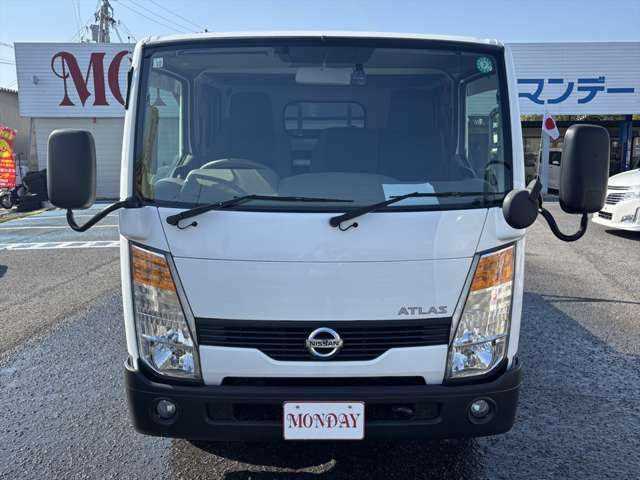
The NISSAN ATLAS 2.5L is a notable entry in the compact truck segment, especially designed for enhanced performance and utility. Trusted by professionals and organizations around the world, this model...
What Is an Oil Change? An oil change is the process of removing old oil from your vehicle’s engine and replacing it with fresh, clean oil. This procedure is essential...
Introduction The automotive market can often feel like a maze. Finding the right price for a vehicle is essential, whether you’re buying, selling, or trading in. The 2007 NISSAN ATLAS,...
When it comes to purchasing a new vehicle, one of the most important aspects to consider is the trim level. Trim levels are essentially different versions of a particular model,...
Family owned dealership of new and pre-owned vehicles with several locations across the Uganda. Lowest prices and the best customer service guaranteed.
You're almost there, select at least one more to compare!
We use cookies to ensure that we give you the best experience on our website. If you continue to use this site we will assume that you are happy with it.
You can revoke your consent any time using the Revoke consent button.