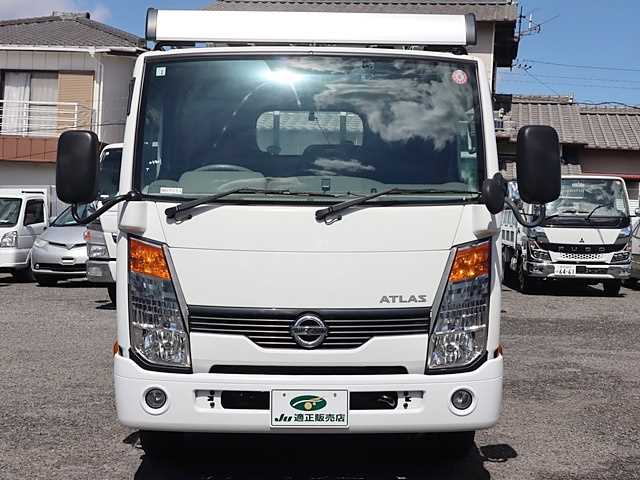
In the automotive industry, the term “trims and specs” refers to the various configurations and features that define a vehicle’s model. Understanding these aspects is crucial for consumers when selecting a vehicle that meets their specific needs. In this article, we will delve into the essentials of key trims and specifications, the differences between trims, and how they can affect your driving experience.
What are Key Trims?
Key trims are distinct versions of a vehicle model that offer varying features and amenities. They can significantly affect the car’s performance, comfort, and price. Here are some common trim levels you might encounter:
Base Trim: Often the most economical option, this trim includes essential features without luxury add-ons.
Mid-Level Trim: This version strikes a balance between features and price, often incorporating additional technology and comfort options.
High-End Trim: The most fully equipped version, typically featuring premium materials, advanced technology, and superior performance capabilities.
Key Specifications (Specs)
Specifications describe a vehicle’s mechanical and technical features, including engine type, fuel efficiency, safety ratings, and more. Understanding these specs can help potential buyers evaluate the car’s performance capabilities. Here are some critical specs to consider:
1. Engine Performance
The engine is the heart of any vehicle. Key specifications include:
Engine Type: Options may include inline, V6, or V8 configurations.
Horsepower: This indicates the engine’s output and its potential speed.
Torque: This is crucial for acceleration and towing capacity.
2. Fuel Efficiency
Fuel economy plays a significant role in the overall cost of ownership. Specs often include:
Miles per Gallon (MPG): Indicating the distance a vehicle can travel per gallon of fuel.
Hybrid/Electric Options: Providing alternative fuel economy solutions.
3. Safety Ratings
Safety should always be a top priority. Specifications may include:
Crash Test Ratings: Conducted by organizations such as the NHTSA or IIHS.
Safety Features: Including airbags, ABS, traction control, and newer technologies like lane assist.
4. Interior and Technology Options
Interior specifications cover space, comfort, and technology features:
Seating Capacity: How many passengers can be comfortably accommodated.
Infotainment Systems: Options for navigation, Bluetooth, and premium audio systems.
Materials Used: Leather versus cloth, detailing, etc.
Factors to Consider When Choosing a Trim and Specs
When selecting the right trim and specifications, consider the following:
Your Budget: Higher trims come with increased costs. Evaluate what features are essential for you.
Driving Needs: Consider your daily commute, cargo needs, and passenger capacity.
Resale Value: High trims might retain value better, but assess whether the added features justify the price.
Final thoughts
Understanding key trims and specifications empowers consumers to make informed decisions when purchasing a vehicle. Each trim level offers unique features and benefits, and by considering the associated specs, buyers can choose a vehicle that fits their lifestyle and budget. Always remember to test drive different trims to see how they perform on the road, and consult expert reviews to get a broader perspective on what each trim can offer.
FAQs
What is the difference between trims?
Trims refer to the different configurations and feature sets of a vehicle model. Each trim can offer different specifications, interior and exterior features, and performance capabilities, often influencing the price of the vehicle.
Do higher trim levels always mean better performance?
Not necessarily. While higher trim levels often come with more features and often a more powerful engine, performance is also significantly influenced by factors like the vehicle’s engineering and design.
How can I find out which trim is right for me?
Consider your driving needs (commuting, family, cargo, etc.), desired features (safety, technology, comfort), and budget. A dealership can also provide insights and comparisons between trims.
Are there additional costs associated with higher trims?
Yes, higher trims typically come with a higher purchase price and may also have different insurance and maintenance costs. It’s important to weigh these aspects against the benefits offered.
The NISSAN ATLAS 2.5L is a notable entry in the compact truck segment, especially designed for enhanced performance and utility. Trusted by professionals and organizations around the world, this model...
Owning a vehicle comes with its fair share of responsibilities, and one of the most crucial is maintaining it properly. Among the various maintenance schedules you might encounter, the guideline...
What Is an Oil Change? An oil change is the process of removing old oil from your vehicle’s engine and replacing it with fresh, clean oil. This procedure is essential...
Introduction The automotive market can often feel like a maze. Finding the right price for a vehicle is essential, whether you’re buying, selling, or trading in. The 2007 NISSAN ATLAS,...
Family owned dealership of new and pre-owned vehicles with several locations across the Uganda. Lowest prices and the best customer service guaranteed.
You're almost there, select at least one more to compare!
We use cookies to ensure that we give you the best experience on our website. If you continue to use this site we will assume that you are happy with it.
You can revoke your consent any time using the Revoke consent button.