A maintenance schedule is a detailed plan that outlines the regular maintenance tasks needed to keep equipment, machinery, or facilities in optimal working condition. It includes a timeline for when specific maintenance actions should occur, who is responsible for carrying them out, and the resources required for each task.
Having a well-structured maintenance schedule is essential for ensuring the longevity and efficiency of any machinery or system. It minimizes unexpected failures and reduces repair costs in the long run.
Why is a Maintenance Schedule Important?
Implementing a maintenance schedule offers numerous benefits, including:
Enhanced Equipment Lifespan: Regular maintenance can significantly extend the lifespan of equipment and machinery, delaying the need for costly replacements.
Increased Safety: Regular checks can identify potential hazards before they become serious issues, ensuring a safe working environment.
Improved Efficiency: Well-maintained equipment operates more efficiently, which can help reduce energy consumption and operating costs.
Business Continuity: A maintenance schedule can help avoid unexpected breakdowns, ensuring that operations run smoothly and efficiently.
Regulatory Compliance: Many industries have strict regulations regarding equipment maintenance. Adhering to a schedule helps businesses remain compliant.
Best Practices for Creating a Maintenance Schedule
To create an effective maintenance schedule, consider the following best practices:
Assess Needs: Understand the specific maintenance needs of your equipment, including routine checks and special inspections.
Document Everything: Keep detailed records of all maintenance activities, including who performed the task, what was done, and any parts used.
Set Clear Frequencies: Define how often each maintenance task needs to be performed, whether it’s daily, weekly, monthly, or annually.
Involve the Team: Engage your staff in the scheduling process to ensure everyone is aware of their responsibilities and the overall maintenance goals.
Use Technology: Consider using maintenance management software to automate reminders and track activities.
Common Maintenance Tasks by Industry
Different industries require different maintenance tasks. Here are a few examples:
Manufacturing
In manufacturing, machines should be regularly lubricated, calibrated, and inspected for wear and tear to avoid costly downtimes.
Automotive
Automotive maintenance tasks include oil changes, tire rotations, brake inspections, and fluid checks, which are crucial for vehicle performance and safety.
Facilities Management
In facilities management, HVAC system checks, plumbing inspections, and electrical system audits are fundamental to ensuring a safe and comfortable environment.
Agriculture
Agricultural machinery requires regular servicing, including checking hydraulics, lubricants, and filters to maintain efficiency during peak seasons.
Final thoughts
A well-structured maintenance schedule is pivotal for ensuring the efficiency, safety, and longevity of equipment across various sectors. By understanding the importance of routine maintenance and implementing a thorough scheduling process, businesses can minimize unexpected breakdowns, enhance overall efficiency, and ultimately save on long-term costs. Regularly reviewing and updating the maintenance schedule according to the needs of your industry and equipment will help ensure optimal performance and adherence to compliance standards.
FAQs About Maintenance Schedules
1. How often should I review my maintenance schedule?
It’s a good practice to review your maintenance schedule at least bi-annually or annually, along with any significant operational changes that may affect maintenance needs.
2. Can I create a maintenance schedule for a small business?
Absolutely! Small businesses can benefit significantly from maintenance schedules. Tailor the schedule to fit your specific equipment and operational needs.
3. What tools can I use to create a maintenance schedule?
You can use spreadsheet software like Excel, dedicated maintenance management software, or even calendar applications to create and manage your maintenance schedule.
4. What happens if maintenance tasks are skipped?
Skipping maintenance tasks can lead to unexpected equipment failures, increased repair costs, and potential safety hazards, impacting productivity and profitability.
5. Should I hire a professional for maintenance?
Depending on your equipment and expertise, you may need to hire professionals for complex maintenance tasks. However, routine checks and simpler tasks can often be handled in-house.
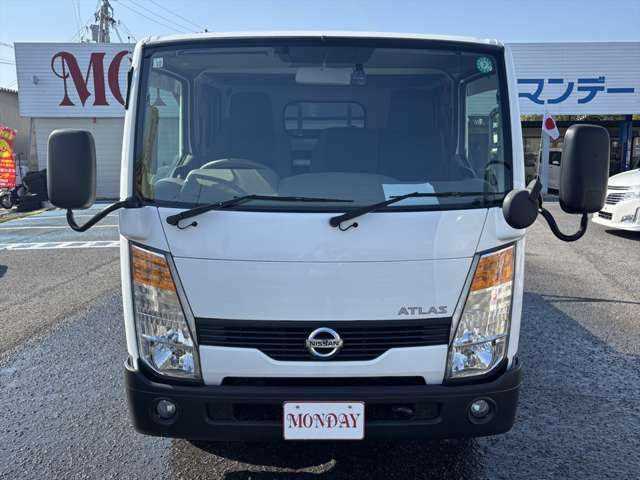
The NISSAN ATLAS 2.5L is a notable entry in the compact truck segment, especially designed for enhanced performance and utility. Trusted by professionals and organizations around the world, this model...
Owning a vehicle comes with its fair share of responsibilities, and one of the most crucial is maintaining it properly. Among the various maintenance schedules you might encounter, the guideline...
What Is an Oil Change? An oil change is the process of removing old oil from your vehicle’s engine and replacing it with fresh, clean oil. This procedure is essential...
Introduction The automotive market can often feel like a maze. Finding the right price for a vehicle is essential, whether you’re buying, selling, or trading in. The 2007 NISSAN ATLAS,...
Family owned dealership of new and pre-owned vehicles with several locations across the Uganda. Lowest prices and the best customer service guaranteed.
You're almost there, select at least one more to compare!
We use cookies to ensure that we give you the best experience on our website. If you continue to use this site we will assume that you are happy with it.
You can revoke your consent any time using the Revoke consent button.