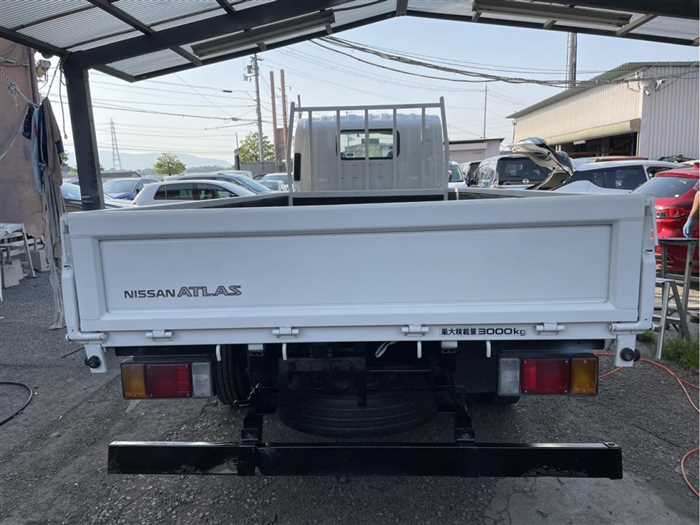
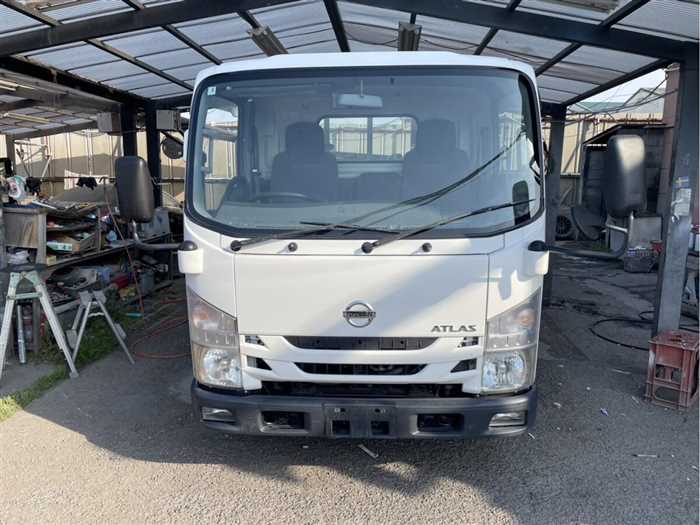
The NISSAN ATLAS is a light-duty truck that has garnered attention in the commercial vehicle sector since its release. Its 2009 model offers reliability and practicality, making it a popular choice for many businesses. However, like all vehicles, the resale value and depreciation of a 2009 NISSAN Atlas are influenced by various factors. Understanding these factors can help potential buyers or current owners make informed decisions about purchasing, selling, or maintaining this vehicle.
Mileage
Mileage is often one of the most significant factors in determining the resale value of any vehicle, and the 2009 Nissan Atlas is no exception. Generally speaking, lower mileage indicates less wear and tear on the engine and components, which can result in a higher resale value. In contrast, higher mileage can lead to greater depreciation since potential buyers may anticipate higher maintenance costs and workload.
A vehicle with mileage around 100,000 miles could see a considerable drop in value compared to a similar vehicle with under 50,000 miles. Buyers frequently use mileage as a major indicator of a vehicle’s overall condition.
Condition
The physical and mechanical condition of a 2009 Nissan Atlas plays a crucial role in its resale value. A well-maintained vehicle, free from significant dents, rust, or mechanical issues, will naturally fetch a higher price than one that shows signs of neglect. Regular maintenance, such as oil changes, brake replacements, and tire rotations, contributes positively to the vehicle’s overall condition.
Beyond that, the interior condition, such as upholstery wear and tear, functionality of the dashboard, and the cleanliness of the cabin, can impact the vehicle’s perceived value. Buyers tend to be more inclined toward vehicles that are in pristine condition, enhancing the chances of a favorable price during resale.
Maintenance History
A comprehensive service history can significantly enhance the resale value of a 2009 Nissan Atlas. Providing documentation that showcases timely maintenance and repairs can reassure potential buyers about the vehicle’s reliability. Vehicles that have been regularly serviced at authorized centers with genuine parts are often more appealing.
Conversely, a lack of maintenance records can lead to mistrust from buyers. If a vehicle has a history of major mechanical issues, even if resolved, it may deter prospects, affecting its resale value. It pays to keep detailed records throughout the vehicle’s lifespan, demonstrating a commitment to maintenance and care.
Regional Demand
The demand for the 2009 Nissan Atlas can also vary significantly based on geographic location. Urban areas may display a higher demand for commercial trucks like the Atlas, as many businesses rely on these vehicles for deliveries and logistics. Conversely, rural regions might not see the same demand, impacting the resale value negatively.
Additionally, external factors such as fuel prices, economic conditions, and the local job market can influence the demand for light-duty trucks. It’s crucial for sellers to be aware of these factors in their locality when considering the resale value of their vehicle.
Final thoughts
The resale value and depreciation of a 2009 Nissan Atlas can be significantly influenced by mileage, condition, maintenance history, and regional demand. Therefore, potential owners or current drivers of this vehicle should pay close attention to these considerations to maximize their investment. Proper maintenance and timely servicing can enhance the resale value over time, while understanding regional market dynamics can inform selling strategies. By being proactive in managing these factors, owners can optimize their vehicle’s value when it comes time to sell or trade.
Frequently Asked Questions (FAQs)
1. What is the average resale value of a 2009 Nissan Atlas?
The average resale value can differ widely based on condition, mileage, and region, but it typically ranges from $7,000 to $12,000.
2. How can I maintain my 2009 Nissan Atlas for better resale value?
Regular maintenance, timely servicing, and keeping detailed service records can help maintain both the vehicle’s condition and its resale value.
3. What should I do if my vehicle has high mileage?
If your vehicle has high mileage, ensure it is well-maintained, and provide potential buyers with comprehensive service records to demonstrate reliability.
4. How does regional demand affect the resale value?
Regional demand can significantly impact resale value. Higher demand in urban areas may lead to increased prices, while lower demand in rural regions can decrease value.
5. Is it worth selling my 2009 Nissan Atlas if it’s showing signs of depreciation?
If you are noticing significant depreciation, it may be worthwhile to sell while the vehicle is still in relatively good condition. Consulting with automotive experts or local dealers can provide further insights.
The NISSAN ATLAS 2.5L is a notable entry in the compact truck segment, especially designed for enhanced performance and utility. Trusted by professionals and organizations around the world, this model...
Owning a vehicle comes with its fair share of responsibilities, and one of the most crucial is maintaining it properly. Among the various maintenance schedules you might encounter, the guideline...
What Is an Oil Change? An oil change is the process of removing old oil from your vehicle’s engine and replacing it with fresh, clean oil. This procedure is essential...
Introduction The automotive market can often feel like a maze. Finding the right price for a vehicle is essential, whether you’re buying, selling, or trading in. The 2007 NISSAN ATLAS,...
Family owned dealership of new and pre-owned vehicles with several locations across the Uganda. Lowest prices and the best customer service guaranteed.
You're almost there, select at least one more to compare!
We use cookies to ensure that we give you the best experience on our website. If you continue to use this site we will assume that you are happy with it.
You can revoke your consent any time using the Revoke consent button.