


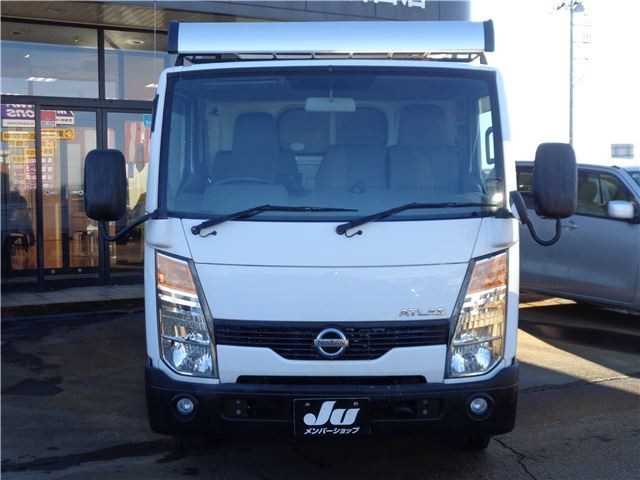
Buying a used vehicle, particularly a specific model like the 2007 NISSAN ATLAS, can be a daunting task. The ability to negotiate effectively can save you hundreds or even thousands of dollars. However, this requires proper preparation and strategy. Below are key steps that can help you navigate the negotiation process successfully and avoid falling into traps that lead to unfavorable deals.
1. Do Your Homework
The first step to successfully negotiating the price of a used vehicle is gathering all relevant information. Start by researching the specific model, in this case, the 2007 NISSAN Atlas. Look up its market value using trusted online resources like Kelley Blue Book, Edmunds, or NADA Guides. These sources will provide you with a fair price range based on the vehicle’s condition, mileage, and location.

Additionally, consider the vehicle history reports from services such as Carfax or AutoCheck. Understanding the vehicle’s maintenance history, accident history, and previous ownership can give you leverage during negotiations.
2. Set a Budget
Before initiating any negotiations, determine a budget that you are comfortable with. This budget should consider not only the price of the vehicle but also potential maintenance, insurance, and registration costs. Factor in how the price aligns with the value you found in your research. Establish a maximum price you are willing to pay, and aim to make offers lower than this amount to enable room for negotiation.
3. Inspect the Vehicle
A thorough inspection of the vehicle is crucial. Consider taking a trusted mechanic along to evaluate the car’s condition. Look for any signs of wear or potential issues, such as rust, engine problems, or worn tires. If possible, take the vehicle for a test drive to gauge its performance. The results of this inspection can be a powerful tool in negotiations—if there are any issues found, use them to justify a lower offer.

4. Make an Initial Offer
Once you’ve done thorough research and inspected the vehicle, it’s time to make your initial offer. Start low, but be reasonable based on your research. This provides room for the seller to counteroffer, which is common in negotiation. Explain your rationale to support your offer—reference the research and inspection results that justify your price.
5. Stay Calm and Collected
During the negotiation process, it’s crucial to remain calm and collected. Emotions can cloud judgment and lead to poor decision-making. Be patient and give the seller time to respond to your offer. If they counter with a higher price, take a moment to evaluate before responding. You can also use time as a bargaining chip—let the seller know that you’re considering other options.
6. Build Rapport with the Seller
One effective negotiation tactic is to build rapport with the seller. Find common ground or shared interests, and treat the seller with respect. A positive relationship can sometimes lead to more flexibility during negotiations. Engaging in polite conversation can make the seller more inclined to work with you on the price.
7. Be Prepared to Walk Away
Sometimes, the most powerful negotiating tool is the ability to walk away. If the seller is unwilling to negotiate within your parameters, don’t hesitate to express your disinterest. This may prompt them to reconsider their position, especially if they realize that you have other options available. Walking away can demonstrate that you are firm about your budget and limits.
8. Document Everything
Finally, ensure that all discussions and agreements are documented. Whether you’ve agreed on a price or come to a specific understanding about repairs or additional costs, everything should be put in writing. This protects both you and the seller and ensures that there are no misunderstandings when it comes time to finalize the purchase.
Final thoughts
Negotiating the price of a used vehicle such as a 2007 Nissan Atlas requires strategy, preparation, and patience. By doing your research, setting a budget, inspecting the vehicle, and maintaining a calm demeanor, you can increase your chances of securing a favorable deal. Remember, negotiation is a multi-faceted skill that improves with practice and experience. Follow these steps to ensure you approach each negotiation with confidence and come away satisfied with your purchase.
FAQs
Q1: How do I know if I’m getting a fair deal on a used vehicle?
A1: Research the vehicle’s market value using reputable resources and compare prices of similar models in your area to determine a fair deal.
Q2: What if the seller is not willing to negotiate?
A2: If the seller is firm on their price and it exceeds your budget, be prepared to walk away. There are many vehicles available, and you may find a better deal elsewhere.
Q3: Should I get financing before or after negotiating the price?
A3: It’s generally better to secure financing beforehand, as knowing your budget will give you a clearer understanding of what you can afford during negotiations.
Q4: What are some common negotiation tactics?
A4: Common tactics include starting with a lower offer, being willing to walk away, and highlighting any issues found during the vehicle inspection.


