Important Paperwork
-
- Vehicle Title: Ensure the title is clear of liens and accurately reflects the seller’s information.
-
- Service Records: Request complete service records to verify maintenance history.
-
- Previous Accident Reports: Inquire about any past accidents and obtain reports, if available.
-
- Emissions Certification: Verify that the vehicle meets local emissions standards.
-
- Warranty Information: Check if any factory or extended warranties are still applicable.
Inspection Points
1. Exterior Condition
-
- Inspect the body for dents, scratches, and rust.
-
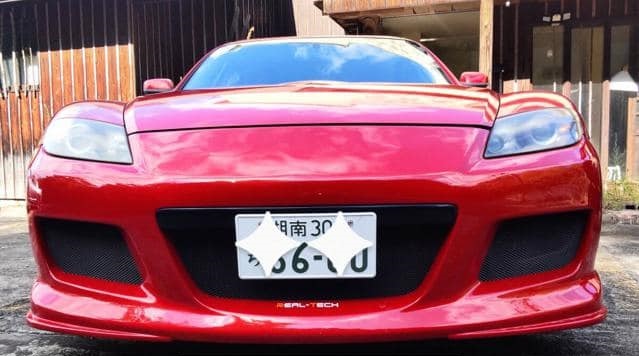
- Check the quality of paint for any signs of previous bodywork.
-
- Verify that all lights and signals are functioning properly.
2. Interior Condition
-
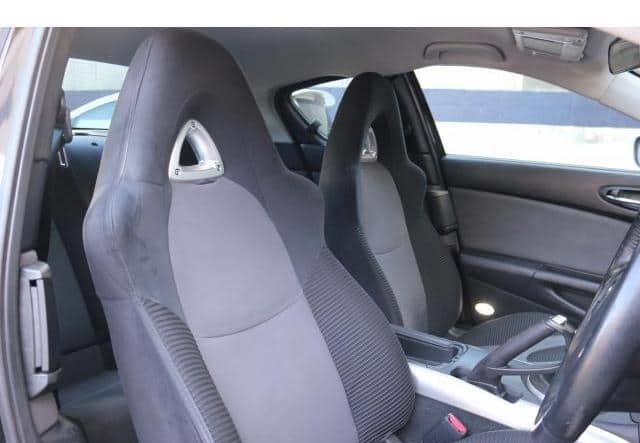
- Examine seats, dashboard, and door panels for wear and tear.
-
- Test all electronic components, including the radio and air conditioning.
-
- Ensure that seat belts function correctly and are undamaged.
3. Engine and Transmission
-
- Check for any unusual noises during startup and while running.
-
- Inspect for leaks around the engine and transmission.
-
- Verify the functionality of the rotary engine, as it requires special attention.
4. Tires and Suspension
-
- Check tire tread depth and look for uneven wear.
-
- Inspect shock absorbers for leaks or signs of damage.
-
- Evaluate the alignment and handling of the vehicle during the test drive.
5. Exhaust System
-
- Check for exhaust leaks and verify that it operates quietly.
-
- Observe any signs of rust or corrosion in the exhaust system.
Test Drive Queries
A test drive is one of the most crucial steps in your evaluation. Use the following questions to guide your driving experience:

-
- Mileage: What is the current mileage, and how does it compare to typical usage for this model?
-
- Performance: How does the car accelerate, and does the rotary engine respond smoothly?
-
- Handling: How does the car handle turns and bumps in the road?
-
- Brakes: Are there any noticeable issues with the braking system? Check for responsiveness and any noises.
-
- Comfort: Is the ride comfortable? Pay attention to the suspension’s performance.
Final thoughts
Buying a 2005 MAZDA RX-8 requires careful consideration and attention to detail. By following this checklist, you can ensure you’re making a well-informed decision. Proper documentation, thorough inspections, and an informed test drive can help you avoid potential pitfalls associated with used cars. The RX-8 can be an exciting addition to your garage, but due diligence is essential to make your driving experience as enjoyable as it was intended to be.
FAQs
Q1: What common issues should I look for in a 2005 Mazda RX-8?
A1: Common issues include oil consumption, overheating, and transmission problems. A thorough inspection and test drive can help you identify these concerns.
Q2: Is the rotary engine maintenance expensive?
A2: While rotary engines offer unique performance, they can be costly to maintain. It’s essential to keep up with regular service to avoid significant repairs.
Q3: How can I find a reliable dealer?
A3: Research local dealerships and read reviews. Look for establishments that specialize in Mazda vehicles or have a solid reputation in the community.
Q4: Should I consider a pre-purchase inspection?
A4: Yes, a pre-purchase inspection by a certified mechanic can uncover hidden issues and provide peace of mind before you finalize your purchase.
Q5: Are there any recalls for the 2005 Mazda RX-8?
A5: Check the National Highway Traffic Safety Administration (NHTSA) website for any recalls related to the 2005 RX-8 model and ensure any necessary repairs have been performed.