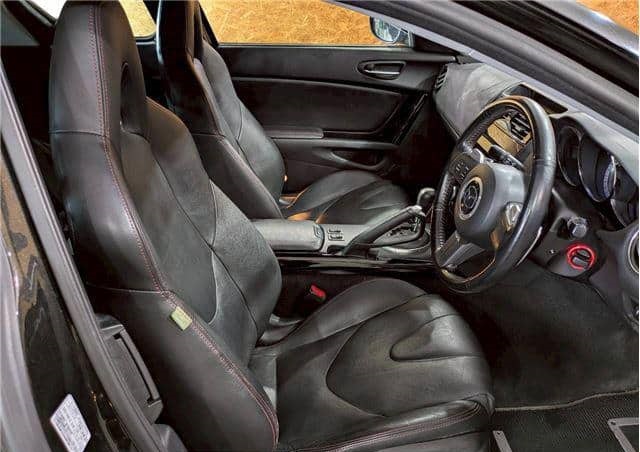
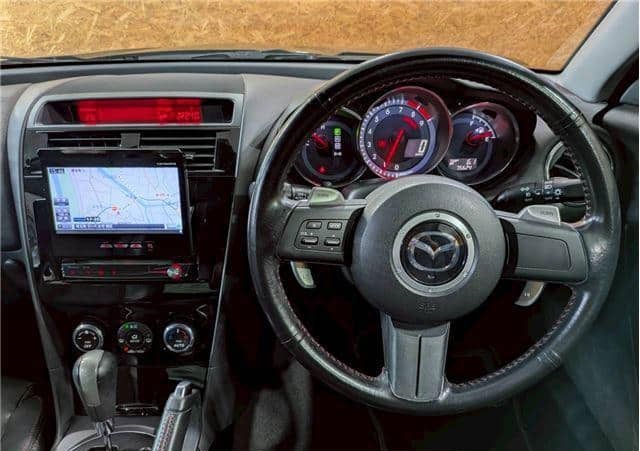
The Mazda RX-8 2012, renowned for its unique rotary engine and sporty design, presents an intriguing option for drivers navigating the varied landscapes of Uganda. With its compact size and agile handling, it is well-suited for urban environments and the occasional rural trek. However, fuel efficiency remains a critical consideration for Ugandan motorists, particularly given the diverse road conditions and the rising costs of fuel. The RX-8’s performance-oriented specifications may lead some to question how it copes with both city traffic and longer journeys across the nation. Understanding the vehicle’s consumption metrics in relation to Uganda’s road conditions can provide valuable insights for prospective buyers. As fuel economy becomes increasingly important, assessing how this model aligns with the unique driving demands in Uganda is essential for making an informed choice.
Introduction
The MAZDA RX-8 2012 has gained attention in Uganda for its sleek design and rotary engine. But how does it fare when it comes to fuel efficiency, especially on the challenging roads of Uganda? This article explores various factors that determine the fuel efficiency of the RX-8 in local conditions.
Understanding Fuel Efficiency in Uganda
In Uganda, road conditions can vary widely. From the pothole-laden streets of Kampala to the smoother highways connecting major cities, the landscape affects how efficiently a vehicle can operate.
Engine Specifications
The RX-8 is equipped with a unique Wankel rotary engine. This design is lighter and offers high RPM, but it can influence fuel consumption differently than traditional engines.
Real-World Driving Conditions
Most drivers in Uganda deal with stop-and-go traffic, especially in urban areas. This driving pattern can lead to increased fuel consumption, even for vehicles that generally have good mileage.
Fuel Economy Ratings
The RX-8 has an estimated fuel economy of around 18 MPG in the city and 25 MPG on the highway. However, these figures are based on ideal conditions, which might not apply in Uganda’s varied terrain.
Driving Habits
Your driving style can significantly affect fuel efficiency. Aggressive driving, such as rapid acceleration and heavy braking, can reduce how far you can go on a litre of fuel.
Maintenance Matters
Keeping up with regular maintenance can help ensure that the RX-8 operates at its most efficient. Regular oil changes, air filter replacements, and tire checks can make a difference in fuel consumption.
Fuel Quality
The quality of fuel available can also impact performance. Using high-quality fuel may result in better engine performance and fuel economy, which is essential for maximizing the car’s potential on Ugandan roads.
Cost of Ownership
While the RX-8 may be fun to drive, potential owners should also keep an eye on the cost of ownership. Fuel expenses are just one part of this equation. Insurance and maintenance costs can add up over time.
Resale Value
Considering the RX-8’s unique engine, prospective buyers should think about future resale value. In Uganda, demand for less common cars can fluctuate, which will influence how well you can sell the vehicle later on.
Consider Alternatives
If fuel efficiency is a primary concern, especially given Uganda’s road conditions, you might want to explore alternative vehicles. Compact cars often provide better fuel economy and can navigate smaller roads more easily.
Final thoughts
While the MAZDA RX-8 2012 offers a distinctive driving experience and moderately fair fuel economy for its class, drivers should consider the practical implications of operating this vehicle on Ugandan roads. Ultimately, personal driving habits and local conditions will drive the actual fuel efficiency experienced by drivers.
Summary
The MAZDA RX-8 2012 has characteristics that may appeal to drivers in Uganda, but its fuel efficiency is influenced by many factors. Maintenance, driving style, and road conditions play critical roles. Weighing these aspects will help potential owners make informed decisions.
FAQs
1. What is the average fuel economy of the MAZDA RX-8 2012?
The average fuel economy is about 18 MPG in city driving and 25 MPG on the highway.
2. How does driving in traffic affect RX-8’s fuel efficiency?
Stop-and-go traffic can lead to higher fuel consumption than on open roads.
3. Is maintenance important for fuel efficiency?
Yes, regular maintenance like oil changes and tire checks can improve fuel efficiency significantly.
4. Can fuel quality influence the RX-8’s performance?
Yes, using high-quality fuel can enhance engine performance and potentially improve fuel economy.
5. Are there better alternatives for fuel efficiency in Uganda?
Compact cars generally offer better fuel economy and may be better suited for Uganda’s driving conditions.
The LAND ROVER DISCOVERY 3 2009, produced in 2009, embodies a robust design and advanced features that cater to off-road enthusiasts, making it a notable contender for Uganda’s diverse terrains....
The Land Rover Discovery 3 Manual Diesel 2008 is a robust vehicle well-suited for the varied terrains of Uganda, where off-road driving is often essential. Known for its advanced four-wheel...
The Land Rover Discovery 30-Diesel 2015 is a vehicle designed for both luxury and rugged terrain, making it a popular choice for adventurers in Uganda. With its powerful diesel engine,...
As an experienced car inspector in Uganda, I often encounter potential buyers eager to find a vehicle that meets their unique needs. Uganda’s diverse terrains—from bustling city streets to rugged...
Family owned dealership of new and pre-owned vehicles with several locations across the Uganda. Lowest prices and the best customer service guaranteed.
You're almost there, select at least one more to compare!
We use cookies to ensure that we give you the best experience on our website. If you continue to use this site we will assume that you are happy with it.
You can revoke your consent any time using the Revoke consent button.