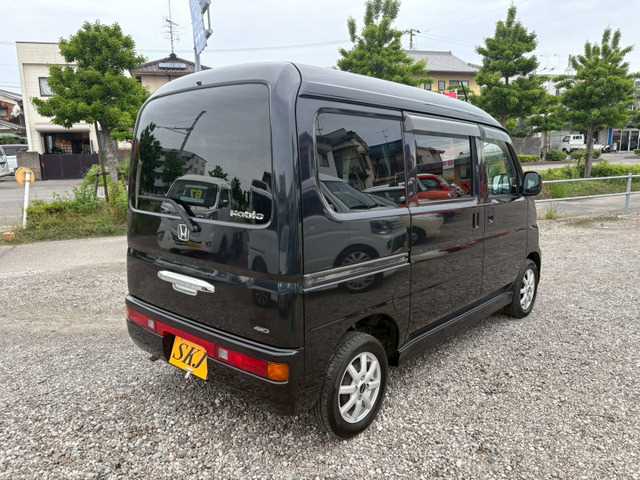
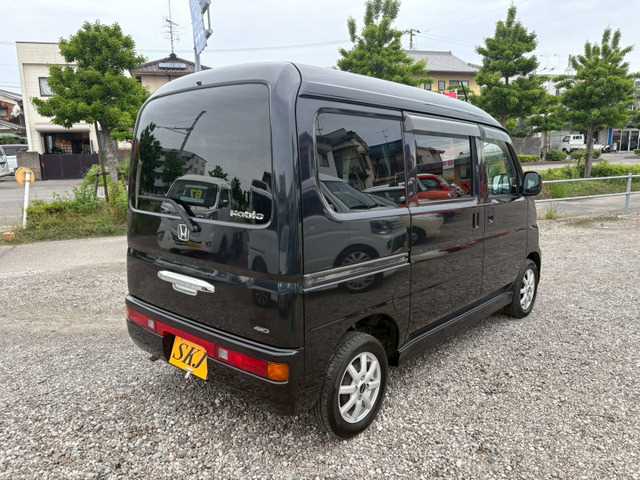
The HONDA VAMOS HOBIO is a kei-class van designed for compact practicality: tall roof, efficient 660cc class engine, sliding doors and a flexible interior. If you’re considering a 2013 Vamos Hobio, your best choice will depend on what you value most — comfort, safety, handling or everyday usability. This guide walks through what to look for in each area and provides checks and buying tips for used examples. If you’re buying used, most advice below applies — tell me your intended use (city commute, family/cargo, rural/snow) and budget and I’ll make a tighter recommendation.
1. Clarify your priorities
Start by ranking what matters most: a cushioned ride and creature comforts? Stronger occupant protection? Responsive on-road behavior? Or maximum practicality for hauling, tight-parking and daily errands? Your answers will affect which trim, drivetrain and condition you should target.
2. Comfort — what to look for
The Vamos Hobio aims at usefulness rather than luxury, but trim levels and maintenance condition significantly affect comfort:
Seating: inspect seat padding and bolstering. Higher-trim or well-kept examples will have firmer, more comfortable seats for longer drives.
Climate control: check A/C and heater performance — older kei vans can lose efficiency if compressors or blend actuators have issues.
Noise and insulation: test at city and highway speeds for road and engine noise. Sound-deadening varies by trim and any aftermarket treatment.
Interior ergonomics: sliding doors, low step-in, and adjustable seat positions make daily life easier — confirm all moving parts operate smoothly.
3. Safety — realistic expectations
Remember that kei vans are compact and light; they perform differently from larger cars in crash scenarios. When prioritizing safety:
Check for ABS and airbags — some 2013 models include basic airbags and ABS, but advanced systems like ESC or multiple side-curtain airbags may not be present.
Rust and structural integrity: inspect door sills, wheel arches and underbody for corrosion. Rust repairs can hide damage to structural points important in a crash.
4WD: if you live in snowy or slippery conditions, 4WD variants improve traction and reduce risk of incidents in bad weather.
4. Handling — what to expect and how to assess
Handling for the Vamos Hobio is tuned toward stability and comfort rather than sporty responses. To evaluate handling:
Test drive on mixed roads — note body roll, steering responsiveness and how the van recovers from quick lane changes.
Suspension condition matters: soft suspension suits comfort but can feel floaty; worn shocks produce excessive bounce and poor control.
Tires and alignment have a big effect. Replace old tires and correct alignment for the best feel.
Transmission: many kei vans use CVT or small automatic units. Check for smoothness — hesitation, belt noises or shuddering are red flags.
5. Everyday usability — the Vamos Hobio’s strengths
This is where the Vamos Hobio typically shines. Look for features that match your daily routine:
Sliding doors and high roof for easy loading/unloading and child-seat access.
Flexible seating: fold-flat or removable seats maximize cargo volume for family or business use.
Low running costs: kei-class tax and insurance benefits, and generally excellent fuel economy.
Compact footprint: easy parking and maneuverability in dense urban environments.
6. Buying used — checklist and red flags
When buying a 2013 Vamos Hobio used, inspect these items or have a mechanic do so:
Service records: regular oil changes, scheduled maintenance and any timing-related work.
Transmission health: CVTs should shift smoothly; listen for whining or jerking. Manuals should have a solid clutch feel.
Rust and underbody: look for structural rust, especially around mounting points and floor pans.
Sliding doors and latches: make sure they open/close without sticking and the seals are intact.
Electrical items: windows, locks, lights, heater and A/C — repairs can add up.
Test drive: evaluate brakes, steering, engine performance, and whether any warning lights appear.
7. Trim and drivetrain recommendations by priority
– Comfort: aim for higher-trim units with better seats and sound insulation; prioritize low mileage and good maintenance.
– Safety: seek vehicles with documented airbags, ABS and no history of structural repairs; consider 4WD for adverse climates.
– Handling: look for examples with well-maintained suspension, tires and steering components; avoid cars with uneven tire wear or clunking.
– Everyday usability: choose models with sliding doors, fold-flat seats and minimal rust; a clean interior and service history are more important than rare options.
Final thoughts
The 2013 HONDA VAMOS Hobio is a practical, economical kei-class van that works well for city commuters, small families and light cargo duties. Your best pick depends on whether you value comfort, safety, handling or everyday practicality. For comfort, target higher trims and low-mileage examples; for safety, prioritize well-documented, rust-free units and consider 4WD in snowy regions; for handling, focus on suspension and transmission condition; for everyday use, pick well-maintained examples with flexible seating and intact sliding doors. If you’re buying used, most advice above applies — tell me your intended use (city commute, family/cargo, rural/snow) and budget and I’ll make a tighter recommendation.
A: Generally yes — Honda’s kei-class engines and drivetrains are known for longevity when maintained. Reliability depends heavily on service history, rust prevention and how the previous owner treated the vehicle.
Q: Is the Vamos Hobio good in snow?
A: A 4WD variant improves traction in snow and ice, but remember the small displacement engine means limited power. Proper winter tires are essential.
Q: How economical is it?
A: Kei-class vans are very economical for city use and short-distance driving due to small engines and low weight. Real-world fuel economy varies with maintenance, load and driving style.
Q: Can it handle long trips?
A: It can, but comfort and highway speed capability are limited compared with larger cars. For frequent long-distance driving, target a well-maintained, higher-trim example and plan more frequent breaks.
Q: Are parts and repairs expensive?
A: Parts for Honda kei vans are usually affordable and widely available in markets that import them. Costs rise if you need bodywork from rust or specialized repairs to older CVT units.
Q: What’s the most important pre-purchase check?
A: A thorough test drive and inspection of service records, transmission behavior, and underbody rust are the top priority checks. If possible, have a trusted mechanic inspect the vehicle before purchase.
The Honda Vamos Hobio 2017 has garnered attention for its compact design and versatility, making it a compelling option for various driving conditions, including the unique landscapes of Uganda. With...
This article gives general, practical guidance for keeping a 2014 HONDA VAMOS (kei‑van) healthy. If you want model‑specific items for a particular VIN, engine code (e.g., E07Z), or country (Japan...
As an experienced car inspector based in Uganda, I understand the diverse needs of vehicle buyers in our unique environment. Many urban commuters seek fuel efficiency to navigate the bustling...
As an experienced car inspector based in Uganda, I often encounter buyers with varying needs, especially when assessing vehicles like the Honda Vamos Hobio Pro 2008. For city commuters, fuel...
Family owned dealership of new and pre-owned vehicles with several locations across the Uganda. Lowest prices and the best customer service guaranteed.
You're almost there, select at least one more to compare!
We use cookies to ensure that we give you the best experience on our website. If you continue to use this site we will assume that you are happy with it.
You can revoke your consent any time using the Revoke consent button.