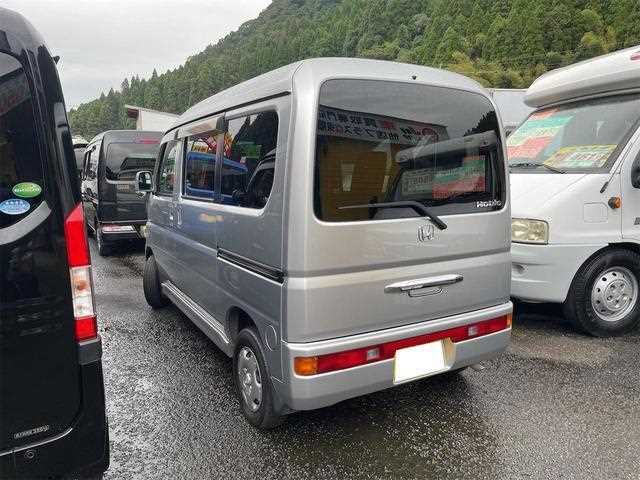
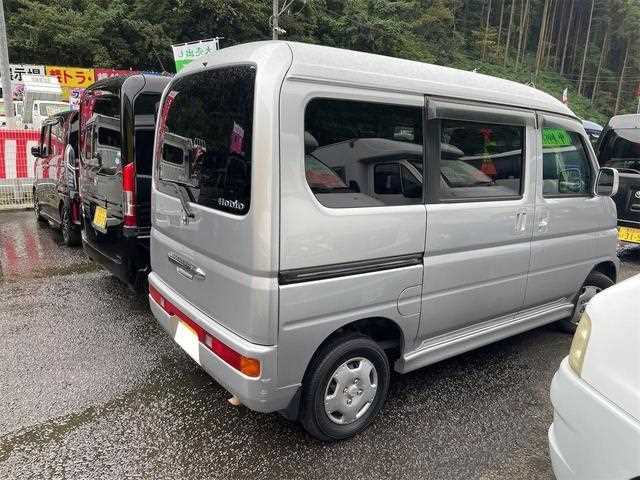
The Honda Vamos Hobio 2017 has garnered attention for its compact design and versatility, making it a compelling option for various driving conditions, including the unique landscapes of Uganda. With fuel efficiency being a pivotal factor for many drivers, especially in regions where road quality can vary significantly, the Vamos Hobio’s performance merits close examination. Its engine design and lightweight build contribute to economical fuel consumption, which is essential for both urban commuting and rural traversing. Given Uganda’s diverse terrain, from bustling city streets to challenging rural paths, understanding how this vehicle balances power and efficiency is crucial for potential buyers. The adaptability of the Honda Vamos Hobio may also play a role in its overall appeal, particularly for those seeking a reliable and cost-effective solution for their transportation needs. Analyzing real-world performance in these contexts will shed light on its practicality for Ugandan road conditions.
Introduction
The HONDA VAMOS HOBIO 2017 is a compact car popular among Ugandan drivers. Its fuel efficiency makes it an attractive option for city commuting and longer journeys across the country. But how does it truly perform on Uganda’s diverse road conditions?
Understanding Fuel Efficiency
Fuel efficiency refers to how far a vehicle can travel per liter of fuel. It plays a significant role in determining the overall cost of running a vehicle. In Uganda, where fuel prices can fluctuate, a vehicle that offers good mileage can save money in the long run.
HONDA VAMOS HOBIO Specs
The 2017 model boasts a small 660cc engine, which is generally favored for its economical fuel consumption. This engine size allows it to achieve impressive mileage without compromising on performance.
Performance on Ugandan Roads
Urban Driving
In urban settings like Kampala, traffic congestion is a given. The VAMOS HOBIO shines in stop-and-go situations, providing decent fuel efficiency even when navigating through busy streets.
Rural and Uneven Territories
When driving on Uganda’s less developed roads, performance can vary. Its compact design allows for easier maneuverability on narrow and winding roads, but rough terrains may affect fuel consumption.
Practical Considerations for Ugandan Drivers
Maintenance
Regular maintenance is essential for ensuring that any vehicle remains fuel-efficient. For the HONDA VAMOS HOBIO, routine checks on the engine, tires, and fuel system can prevent unnecessary fuel wastage.
Driving Habits
Fuel efficiency can also be affected by driving habits. Sudden acceleration, speeding, and frequent braking can lead to increased fuel consumption. Adopting smooth driving techniques is crucial for maximizing fuel efficiency.
Cost of Ownership
The lower fuel consumption of the VAMOS HOBIO translates to reduced overall running costs. This makes it a cost-effective choice for many Ugandans looking to balance fuel expenses with other financial responsibilities.
Insurance and Resale Value
Insurance costs for smaller vehicles like the HONDA VAMOS HOBIO are typically lower. Additionally, its popularity in Uganda can lead to a decent resale value, further adding to its appeal.
Summary
Overall, the HONDA VAMOS HOBIO 2017 demonstrates commendable fuel efficiency that suits the varied road conditions of Uganda. With responsible driving, regular maintenance, and consideration of cost factors, it can be a wise choice for many Ugandan drivers.
FAQs
1. How fuel-efficient is the HONDA VAMOS HOBIO 2017?
It can achieve approximately 20-25 km/l, depending on driving conditions.
2. Is it suitable for long-distance travel?
Yes, its fuel efficiency and compact size make it viable for long journeys within Uganda.
3. What are common maintenance costs?
Basic maintenance includes oil changes, which can cost about UGX 50,000 to UGX 100,000.
4. Can it handle rough roads?
While its small size helps in maneuvering, it’s best on well-maintained roads. Caution is advised on very rough terrain.
5. Does it have good resale value in Uganda?
Yes, due to its popularity and fuel efficiency, the HONDA VAMOS HOBIO retains good resale value.
The LAND ROVER DISCOVERY 3 2009, produced in 2009, embodies a robust design and advanced features that cater to off-road enthusiasts, making it a notable contender for Uganda’s diverse terrains....
The Land Rover Discovery 3 Manual Diesel 2008 is a robust vehicle well-suited for the varied terrains of Uganda, where off-road driving is often essential. Known for its advanced four-wheel...
The Land Rover Discovery 30-Diesel 2015 is a vehicle designed for both luxury and rugged terrain, making it a popular choice for adventurers in Uganda. With its powerful diesel engine,...
As an experienced car inspector in Uganda, I often encounter potential buyers eager to find a vehicle that meets their unique needs. Uganda’s diverse terrains—from bustling city streets to rugged...
Family owned dealership of new and pre-owned vehicles with several locations across the Uganda. Lowest prices and the best customer service guaranteed.
You're almost there, select at least one more to compare!
We use cookies to ensure that we give you the best experience on our website. If you continue to use this site we will assume that you are happy with it.
You can revoke your consent any time using the Revoke consent button.