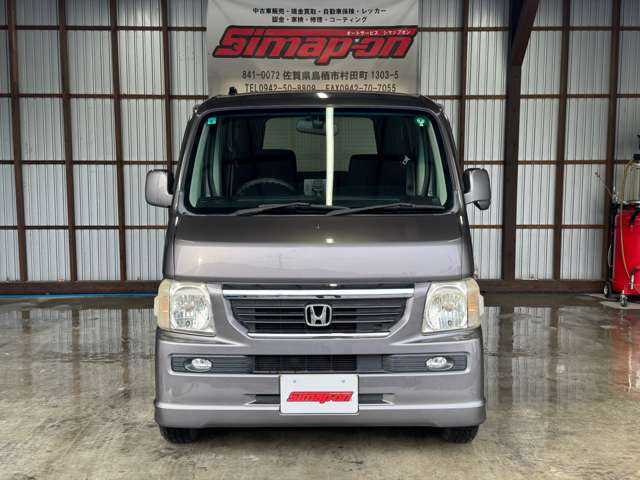
This practical, easy‑to‑follow cheat‑sheet gives recommended service intervals, common failure items to watch for, and a checklist for inspections or buying a used 2009 HONDA VAMOS. Use this as a general guide only — always confirm specifics with the vehicle’s owner’s manual or a factory service manual for your exact VIN/engine/transmission.
Typical Service Intervals (general ranges)
Intervals vary with engine type (naturally aspirated vs turbo), transmission (manual, conventional automatic, CVT), load, and climate. Below are typical ranges; use the lower end for severe service (lots of short trips, heavy loads, city stop/start, salty roads).
Engine oil & filter: 5,000–8,000 km (3,000–5,000 miles) or every 6–12 months. Change more often under severe use.
Air filter: Inspect 10,000–20,000 km; replace 20,000–40,000 km (12,000–25,000 miles).
Spark plugs: 30,000–60,000 km for conventional plugs; 60,000–100,000 km for iridium/platinum plugs—check the spec for your engine.
Coolant (engine antifreeze): Flush/replace every 2–4 years (or 40,000–80,000 km) depending on coolant type.
Brake fluid: Replace every 2 years (hygroscopic fluid absorbs moisture).
Brake pads/rotors: Pads commonly 30,000–50,000 km depending on driving; inspect at every service.
Transmission fluid: Manual: inspect/replace 40,000–80,000 km. Automatic: 40,000–60,000 km. CVT: often 40,000–60,000 km; follow manufacturer guidance.
Drive/Timing belt vs chain: Check whether your engine uses a timing belt or chain. If it uses a belt, typical replacement intervals are 60,000–100,000 km. Timing chains typically last longer but should be inspected for noise/tensioner wear.
Fuel filter: Replace every 30,000–60,000 km or as symptoms indicate.
Accessory belts (alternator/AC): Inspect every 20,000–40,000 km; replace 60,000–100,000 km or when cracked/glazed.
Suspension & steering: Inspect shocks, bushings and tie rods at 40,000–80,000 km; replace as wear or leaks appear.
Common failure items and symptoms to watch for
Older kei vans like the 2009 Vamos are generally robust, but age and typical use can reveal some recurring issues:
Oil leaks: Valve cover gasket and camshaft seals can harden and leak—look for oil on the engine and under the vehicle.
Transmission issues: CVTs and older automatics can develop shudder, slipping, or overheating if fluid maintenance is neglected. Manual gearboxes may show worn syncros at high mileage.
Cooling system: Radiator or hose leaks, and a failing thermostat—overheating or low coolant level are red flags.
Ignition/fuel system: Fouled spark plugs, weak fuel pump, or clogged fuel filter can cause misfires, rough idle, or poor acceleration.
Brakes: Worn pads, corroded calipers or seized handbrake cables — uneven braking, dragging, or low pedal feel.
Rust and body corrosion: Underbody, wheel arches, sills, and tailgate edges commonly rust in older Japanese-market small vans, especially if used in corrosive climates.
Suspension wear: Noisy or bouncy ride, uneven tire wear, or looseness in steering point to worn shocks or bushings.
Electrical gremlins: Window motors, switches, lighting, and instrument cluster failures occur with age—check all electrical functions.
Air conditioning: Weak cooling often from low refrigerant (leaks) or failing compressor/clutch.
Pre‑purchase / inspection checklist
When inspecting a used 2009 Vamos, follow this checklist to spot potential trouble and estimate upcoming maintenance costs:
Service history: Look for regular oil/filter changes, transmission fluid changes, timing belt replacement (if applicable), and coolant/brake fluid dates.
Visual rust inspection: Check sills, rocker panels, wheel arches, tailgate bottoms, door bottoms, and the underbody. Surface rust is common—deep rust affecting structure is a deal breaker.
Test drive: Listen for knocking, rattles, or transmission slip. Test all gears, including reverse; try steep hills to check transmission under load.
Cold start: Observe startup behavior — long cranking, white or blue smoke, rough idle, or persistent misfires are warning signs.
Check for leaks: Oil, coolant, and transmission fluid under the vehicle or on engine components.
Inspect brakes & tires: Pad thickness, rotor condition, even tire wear, and any pulling under braking.
AC and heating: Ensure AC cools properly and heater works; smells may indicate mold or heater core issues.
Undercarriage & suspension: Check shocks for leaks, play in steering tie rods, and unusual noises over bumps.
Electrics: Confirm lights, indicators, horn, wipers, and power windows operate reliably.
VIN and paperwork: Verify VIN matches documents, and look for any indications of accident repair or title issues. Confirm odometer plausibility relative to condition.
Compression/leakdown test: If possible, have a compression or leakdown test performed to assess engine health.
Practical maintenance tips
Keep detailed service records — they boost resale value and help track preventative items (belts, fluids).
Use quality oil and correct grade — older small engines tolerate frequent changes better than pushing long intervals.
Address small leaks and rust early — repair is cheaper before corrosion or fluid loss becomes severe.
For CVT-equipped vans, be conservative: overdue CVT maintenance can lead to expensive repairs. Have a specialist inspect CVT behavior and service history.
Store the Vamos in a dry place where possible to limit corrosion, and wash the undercarriage if driven in winter salt or on coastal roads.
Final thoughts
The 2009 HONDA Vamos is a simple, practical kei van that can remain reliable if maintained with attention to fluids, wear items, and rust prevention. Use the interval ranges above as a starting point, inspect key systems before buying, and keep up with preventative maintenance to avoid larger repairs later. Always confirm specifics with the vehicle’s owner’s manual or a factory service manual for your exact VIN/engine/transmission.
FAQs
Q: How often should I change the transmission fluid on a Vamos?
A: It depends on transmission type. For conventional automatics and CVTs, 40,000–60,000 km is a common recommendation; manuals can often go longer but check the manual. Under heavy use or if towing, use the shorter interval.
Q: Does the 2009 Vamos have a timing belt or chain?
A: That depends on the specific 660cc engine variant. Some kei engines use timing chains; others use belts. Confirm by checking the owner’s manual, engine markings, or a factory service manual. If it has a belt, replace it by the recommended interval (often 60,000–100,000 km).
Q: Are there any particular weak points on older Vamos vans?
A: Common age-related issues include oil leaks (gaskets), transmission wear (especially CVTs if neglected), rust in body sills/arches, and suspension wear. Regular inspection mitigates most problems.
Q: How can I tell if a CVT needs attention?
A: Symptoms include shuddering, slipping, delayed engagement, unusual noises, or overheating. If you notice these, have the fluid and system inspected promptly by a technician experienced with CVTs.
Q: Should I pay more for a Vamos with full service records?
A: Yes — documented maintenance usually means fewer surprises, better long‑term reliability, and often a higher resale value. Prioritize vehicles with regular oil changes, documented timing belt (if applicable) and transmission service.
Reminder: Always confirm maintenance schedules and part specifications with the vehicle’s owner’s manual or an official factory service manual for your exact VIN/engine/transmission.
The Honda Vamos Hobio 2017 has garnered attention for its compact design and versatility, making it a compelling option for various driving conditions, including the unique landscapes of Uganda. With...
This article gives general, practical guidance for keeping a 2014 HONDA VAMOS (kei‑van) healthy. If you want model‑specific items for a particular VIN, engine code (e.g., E07Z), or country (Japan...
As an experienced car inspector based in Uganda, I understand the diverse needs of vehicle buyers in our unique environment. Many urban commuters seek fuel efficiency to navigate the bustling...
As an experienced car inspector based in Uganda, I often encounter buyers with varying needs, especially when assessing vehicles like the Honda Vamos Hobio Pro 2008. For city commuters, fuel...
Family owned dealership of new and pre-owned vehicles with several locations across the Uganda. Lowest prices and the best customer service guaranteed.
You're almost there, select at least one more to compare!
We use cookies to ensure that we give you the best experience on our website. If you continue to use this site we will assume that you are happy with it.
You can revoke your consent any time using the Revoke consent button.