Below is a focused, practical checklist you can use when inspecting or trying a 2017 HONDA N‑BOX at a dealer. Use it at the dealership, or when negotiating with a private seller. If you want, I can format this as a printable checklist or adapt it to your country’s paperwork.
Quick overview to know before you start
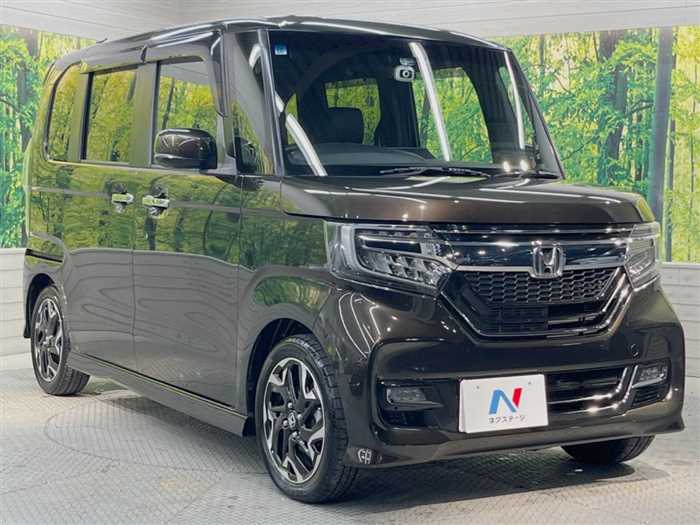
The N‑BOX is a kei‑car tall‑boy with excellent interior space for its class. Common 2017 variants include the standard N‑BOX and the sportier N‑BOX Custom. Expect a 660cc naturally aspirated or turbo three‑cylinder engine paired to a CVT. Key items to watch: CVT behavior, sliding door function, electronic systems, and evidence of crash repair.
Exterior inspection
Walk around looking for mismatched paint, panel gaps or overspray (signs of repair/accident).
Check headlights, taillights, fog lights and lens clarity. Test all lights on the walkthrough.
Open and close both sliding rear doors—they should glide smoothly without grinding, sticking, or uneven travel.
Inspect mirrors, camera lenses (rear camera), sensors and any parking assist hardware.
Measure tire tread depth on all four corners and compare brands/sizes. Uneven wear may indicate alignment or suspension issues.
Look for rust around wheel arches, door bottoms and under the rear bumper. Even small bubbles can grow quickly.
Check the windshield for chips or large cracks and ensure wipers work properly.
Interior and comfort features
Test seat adjustments, rails and recline — seats should lock securely and move smoothly.
Operate all windows and the power door locks. Check child lock(s) and sliding door electric interlocks if equipped.
Turn on the HVAC at low and high fan speeds; verify cooling and heating performance. Check vents for odd smells (mold) or dust.
Test infotainment system, radio, Bluetooth pairing, USB ports, and instruments on the dash (odometer, warning lights).
Confirm the parking brake (hand or electronic) holds and releases correctly.
Inspect upholstery for stains, tears or excessive wear. Check the roof lining for sagging or water stains.
Verify spare tire, jack and basic toolkit are present (if applicable).
Engine bay & mechanical checks
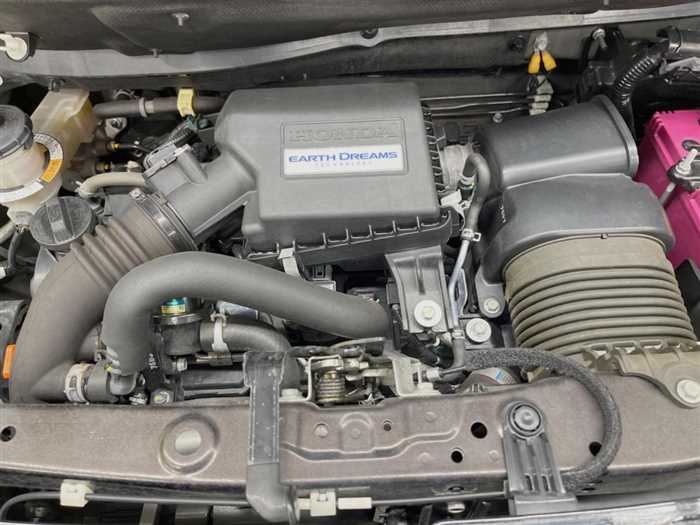
With the engine cold, check fluid levels: engine oil, coolant, brake fluid, and washer fluid. Look for clean oil and no milky coloration (possible head gasket issue).
Inspect for any visible leaks under the engine: oil, coolant or transmission/CVT fluid.
Check CVT/transmission area for signs of service or leaks. Ask when CVT fluid was last changed (if applicable).
Listen for knocking, ticking or unusual noises at idle and when revving lightly.
Inspect belts, hoses and battery condition (corrosion, secure mount).
Test‑drive checklist
Start from cold and note how the engine starts and settles at idle. Watch the dash for any warning lights.
During low‑speed driving, check for CVT shudder, hesitation when accelerating, or odd surging. CVT should be smooth and linear.
Test acceleration at different throttle levels and listen for turbo lag (if turbo model).
Brake from a moderate speed several times—pedal should be firm, not spongy; car should track straight without pulling.
Check steering for play, vibration or uneven feedback. Listen for clunks over bumps (suspension or CV joints).
Test parking maneuvers and reversing with the camera/guidelines to confirm correct operation.
Try both parking and driving with AC on to see if performance or noises change.
Documentation and history
Service records: verify regular maintenance, oil changes, and any CVT service. Look for items like timing belt (if applicable) or major recalls completed.
Check the vehicle identification number (VIN) against documents and the chassis plate.
Full ownership history and accident reports — ask for photos and repair invoices for any body work.
For Japanese cars: request Shaken paperwork, maintenance book and exported vehicle inspection records.
Confirm the odometer reading is consistent with service stamps and wear.
Price negotiation tips
Use any cosmetic or mechanical issues as bargaining points (paint, tires, brakes, CVT history).
Compare prices for similar N‑BOX models locally and account for trim (Custom, Turbo, safety packages).
Factor in likely upcoming maintenance items—tires, brake pads or timing-related service—when making an offer.
If the car is imported, include costs for registration, import duty or compliance work in your offer.
Common 2017 N‑BOX issues to watch for
CVT behavior: shudder or hesitation under load — ask about CVT service history.
Electronics: occasional sensor or infotainment glitches — verify all displays and cameras work.
Sliding door wear: rollers and tracks can wear, causing rough operation.
Minor body repairs from city parking impacts — check for consistent panel gaps and paint finish.
Final thoughts
The 2017 Honda N‑BOX is a clever, space‑efficient kei car with generally good reliability. When inspecting one, prioritize CVT condition, sliding door operation, service history and a thorough test drive. Use the checklist above to spot both immediate concerns and items that can be used for negotiating price. If you’d like, I can turn this into a printable checklist (PDF or simple one‑page) or adapt it to the paperwork and inspection norms in your country—tell me which format or country and I’ll prepare it.
FAQs
Q: What is a red flag I should not ignore?
A: Any evidence of structural damage or mismatched panels indicating major accident repair. Also persistent CVT shudder or loud noises from the transmission — those can be expensive to address.
Q: Is the CVT expensive to repair?
A: Major CVT repairs can be costly. Small issues are sometimes fixed with a proper fluid and filter service, but significant internal failure may require a rebuild or replacement. Verify service history and ask about any prior CVT work.
Q: How many kilometers/miles is typical for a 2017 model?
A: Typical mileage varies by region. In urban use, 80,000–120,000 km (50,000–75,000 miles) is common by 2023–2024. Evaluate condition more than absolute mileage—look for consistent maintenance records.
Q: Are parts and servicing easy to find?
A: In markets with good Honda presence, parts and service are straightforward. For imported models, check availability and shipping times for parts specific to the N‑BOX or the “Custom” trim.
Q: Should I get a pre‑purchase inspection?
A: Yes — a professional inspection will catch hidden issues (frame damage, suspension wear, fluid leaks, compressor problems) and give you leverage during negotiation.
Want this as a printable checklist or adapted to your country’s paperwork? Tell me the format (PDF, plain checklist) and the country, and I’ll prepare it.
This short guide gives approximate service intervals, common owner‑reported issues, signs to watch for, and simple checks you can do yourself. Always confirm exact intervals, fluid types, and part specifications...
The 2025 Honda N Box has garnered attention for its compact size and urban-friendly design, making it a popular choice for city driving in Uganda. Known for its fuel efficiency,...
Family owned dealership of new and pre-owned vehicles with several locations across the Uganda. Lowest prices and the best customer service guaranteed.
You're almost there, select at least one more to compare!
We use cookies to ensure that we give you the best experience on our website. If you continue to use this site we will assume that you are happy with it.
You can revoke your consent any time using the Revoke consent button.