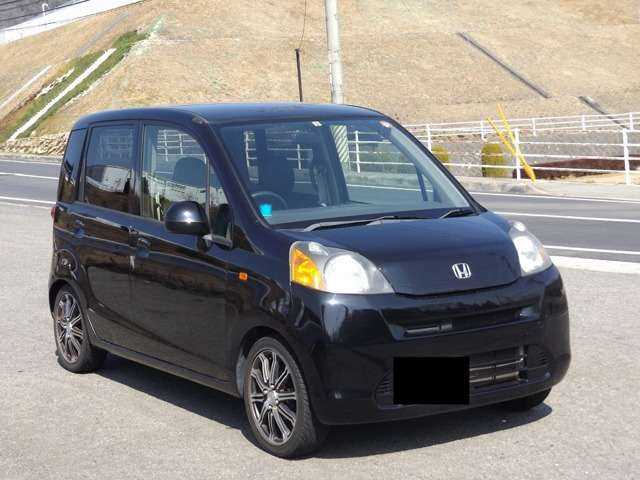
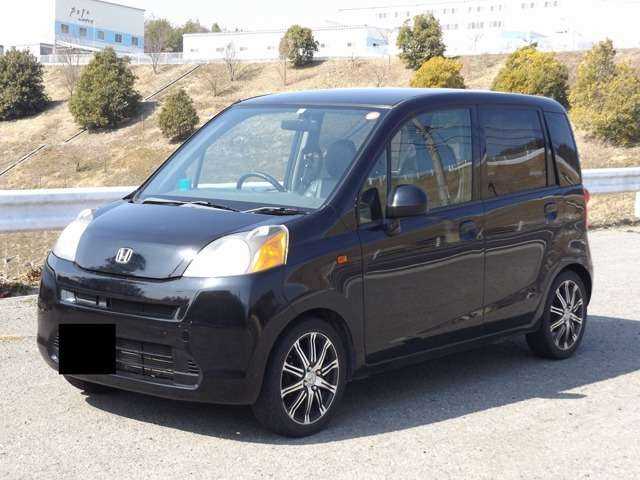
The 2010 HONDA LIFE is a small, efficient kei car designed for city driving and low running costs. With the right maintenance and a few carefully chosen upgrades, you can keep your Life dependable for many years. This guide summarizes the high-impact maintenance tasks and practical upgrades that preserve reliability, improve comfort and safety, and avoid common failure points.
Core maintenance priorities
Routine maintenance is the cornerstone of reliability. Use this checklist as a starting point and always cross-check intervals in your vehicle’s owner’s manual or service book.
Engine oil & filter — Change regularly. For older small-displacement engines, aim for oil changes every 5,000–8,000 km (3,000–5,000 miles) or at least once a year, using the viscosity and API spec recommended in the manual. Synthetic blends can help with longevity and engine cleanliness.
Air filter — Inspect every 10,000–15,000 km and replace if dirty. A clean air filter helps fuel economy and prevents extra wear on the engine.
Spark plugs — Replace per the manual (commonly 30,000–50,000 km for conventional plugs; iridium/platinum types last longer). Misfiring or rough idle are signs they need attention.
Cooling system — Check coolant level and condition. Replace coolant on the schedule specified by HONDA. Inspect hoses and radiator for leaks and soft spots; replace aged hoses and thermostats as preventive maintenance.
Transmission (CVT/AT/MT) — If your Life has a CVT or automatic, follow Honda’s fluid-change intervals for the transmission. CVT fluid in particular should be serviced to prevent belt/pulley wear. For manuals, inspect clutch operation and change gear oil as recommended.
Brakes — Check pads, rotors and fluid. Replace brake fluid every 2 years or per schedule to avoid moisture buildup and corrosion inside the system.
Tire care — Keep tires inflated to the recommended pressure, rotate every 8,000–12,000 km, and replace when tread is low or sidewalls show aging. Good tires improve safety and reduce drivetrain stress.
Battery — Replace every 3–5 years or at first signs of weak cranking. Clean terminals and keep them tight and corrosion-free.
Belts and seals — Inspect accessory belts, CV boots and suspension bushings for cracking or deterioration and replace as needed.
Note: different trim levels and markets may have different equipment (e.g., CVT vs manual transmissions). Always verify maintenance intervals and fluid types in your owner’s manual or with a trusted mechanic.
High-value upgrades that improve reliability and daily life
You don’t need extensive mods to make a big difference. Choose upgrades that address weak points or improve safety and drivability without compromising longevity.
Tires — A high-quality set of tires appropriate for your typical driving (all-season or summer) provides better grip, shorter stopping distances and smoother handling. For wet-weather-heavy areas, prioritize water evacuation and compound suited to rain.
Upgraded shock absorbers / struts — Replacing worn shocks with higher-quality OEM-equivalent or budget performance units (e.g., KYB, Monroe) improves ride control, reduces wear on suspension components, and keeps tires wearing evenly.
Brake pads and rotors — Fit quality pads (sensible street compounds) and resurface or replace rotors when needed. Stainless steel braided brake lines improve pedal feel and resist swelling over time.
Engine air intake & filter — A reputable high-flow panel filter (K&N-style or OEM replacement) keeps airflow optimal while trapping particulates. Avoid aggressive intake mods that draw hot air or compromise emissions systems.
Cooling upgrades — If you live in hot climates, consider a quality aftermarket thermostat and maintain the cooling system aggressively to avoid overheating.
Lighting — Brighter halogen or LED headlamp upgrades increase nighttime visibility and safety. Ensure replacements are road-legal and correctly aimed.
Sound deadening & interior upgrades — Simple insulation under the carpet or in doors reduces fatigue and makes the cabin more pleasant without affecting reliability.
Modern conveniences — A reliable aftermarket head unit with Bluetooth and a backup camera increases safety and everyday usability—choose a reputable unit and professional install to prevent electrical issues.
Preventive tips and seasonal care
Winter: use tires suited for snow if you face winter conditions. Keep an emergency kit and check antifreeze concentration.
Summer: inspect cooling system, replace old coolant, and ensure the AC is serviced to avoid compressor failure from low refrigerant or contaminants.
Rust prevention: clean the underbody, drain accumulated water from door sills and maintain paint/chassis protection. Small rust spots are cheaper to correct early.
Storage: if the car is parked long-term, use a battery maintainer and keep tires inflated. Fuel stabilizer is helpful for long dormant periods.
When to get professional help
Some jobs are inexpensive and DIY-friendly, but certain items deserve a mechanic’s attention:
Timing belt or chain inspection/replacement (follow the manual; if unsure, have a pro check).
Complex transmission service (CVT flush/overhaul), clutch replacement, major engine diagnostics, or any time warning lights persist after basic checks.
Airbag, ABS or major electrical repairs—these systems require diagnostic tools and know-how.
Final thoughts
A 2010 Honda Life can remain a reliable, economical companion with disciplined preventive maintenance and a few thoughtful upgrades. Prioritize oil and filter changes, cooling and brake system care, tire health, and timely replacement of wear items such as the battery, belts and suspension components. Choose upgrades that improve safety and longevity rather than chasing performance gains that stress an older small-displacement engine. When in doubt, follow the owner’s manual and consult a trusted mechanic. With steady attention, the Life will reward you with dependable, low-cost motoring for years to come.
Frequently Asked Questions (FAQs)
Q: How often should I change the oil in a 2010 Honda Life?
A: For older small engines, a practical schedule is every 5,000–8,000 km (3,000–5,000 miles) or once a year, depending on driving conditions. Use the oil grade recommended in the owner’s manual and consider shorter intervals if you do lots of short trips or stop-and-go driving.
Q: Does the Honda Life use a timing belt or chain?
A: That depends on the specific engine variant. Some small Honda engines use timing chains, others belts. Check your service manual or have a mechanic verify for your VIN—if it has a timing belt, follow replacement intervals and replace the water pump when you do the belt.
Q: Is a CVT service necessary for reliability?
A: Yes. If your model has a CVT, follow Honda’s recommended service intervals for fluid changes. CVTs are sensitive to fluid condition, and neglected fluid can lead to reduced life or expensive repairs.
Q: What tire type is best for a 2010 Honda Life?
A: Choose a quality all-season tire sized to the vehicle’s original specifications for balanced performance. If you live in areas with heavy snow, consider dedicated winter tires in cold months. Prioritize reputable brands and the correct load/speed rating.
Q: Are performance mods a good idea for this car?
A: Avoid aggressive performance modifications. The Honda Life’s small kei-class engine is tuned for economy and longevity; major power mods can reduce reliability and increase wear. Focus on suspension, brakes, and comfort upgrades instead.
Q: How can I prevent rust on an older Life?
A: Regular washing (including underbody), prompt treatment of chips and scratches, and keeping drainage holes clear are effective. In salt-using regions, frequent undercarriage rinses and professional rust-proofing help a lot.
Disclaimer: this guide is for general informational purposes. Check your owner’s manual and consult licensed technicians for vehicle-specific guidance and repairs.
The Honda Life 2010 is often hailed for its compact design and practicality, making it an appealing option for urban environments in Uganda. Its lightweight construction and efficient engine contribute...
As an experienced car inspector in Uganda, I’ve seen a diverse range of vehicles passing through our streets, and the Honda Life 2014 is often a topic of interest among...
The 2009 HONDA LIFE is a compact, economical kei car that can stay trouble-free for many years with sensible maintenance and a few targeted upgrades. This guide gives you easy-to-follow...
Family owned dealership of new and pre-owned vehicles with several locations across the Uganda. Lowest prices and the best customer service guaranteed.
You're almost there, select at least one more to compare!
We use cookies to ensure that we give you the best experience on our website. If you continue to use this site we will assume that you are happy with it.
You can revoke your consent any time using the Revoke consent button.