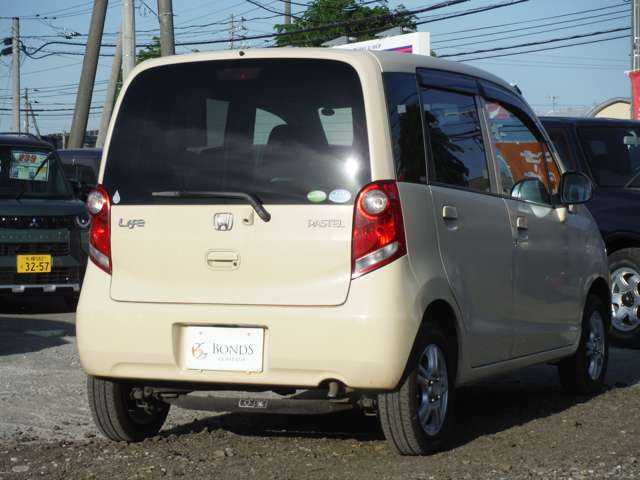
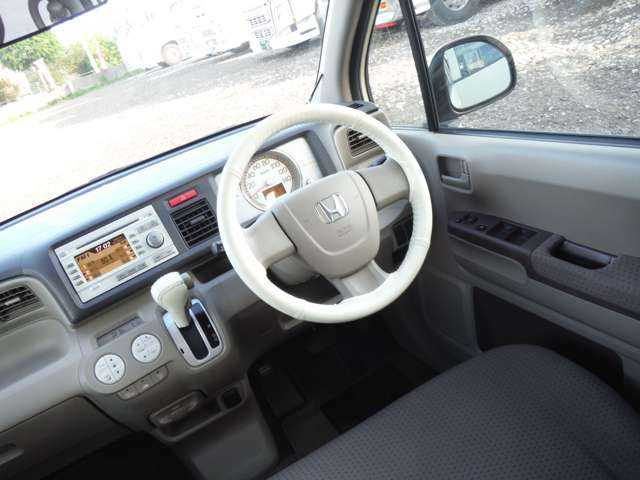
The 2009 HONDA LIFE is a compact, economical kei car that can stay trouble-free for many years with sensible maintenance and a few targeted upgrades. This guide gives you easy-to-follow routines, upgrade suggestions that add reliability (not just flash), and troubleshooting tips to keep your Life running well.
Basic Maintenance Routine (what to do and when)
Consistent, preventative maintenance is the most effective way to avoid expensive repairs. Use the owner’s manual for model-specific specs, then follow these general intervals:
Every 3–6 months (or 5,000–7,500 km): Oil and oil filter change. Check coolant level, brake fluid, and tire pressures. Inspect lights and wipers.
Every 12 months (or 12,000–15,000 km): Replace air filter, cabin filter, rotate tires, inspect brakes, check battery health, examine belts and hoses for cracks.
Every 2 years: Brake fluid change. Full inspection of suspension bushings, CV boots, and exhaust hangers.
Every 30,000–60,000 km: Spark plugs (or as recommended for iridium/platinum plugs), coolant flush interval depending on coolant type, transmission fluid service (CVT models require manufacturer-specified fluid).
As needed: Replace worn brake pads/rotors, shocks/struts, engine mounts and rubber components before they fail.
High-Value Upgrades for Reliability
Upgrades that improve longevity focus on durable parts, cooling, and protection from rust and wear.
Quality filters & fluids: Use OEM-equivalent or better oil, air, and fuel filters. Fresh oil and correct-grade coolant protect internal parts.
Battery upgrade: A higher-quality battery with stronger cold-cranking amps will reduce starting problems and protect electronics. Secure it with a proper tray/mount to avoid vibration damage.
Cooling system improvements: Replace old hoses, thermostat, and consider a quality radiator cap. For hot climates or heavy urban use, a coolant flush and high-performance coolant can reduce overheating risk.
Brake refresh: High-quality pads and stainless-steel braided lines improve braking feel and longevity. Replace rotors when warped or below spec.
Suspension bushings & shocks: Old rubber bushings and tired shocks degrade handling and accelerate wear. Replace with OEM or durable aftermarket parts to restore ride quality and suspension geometry.
Rustproofing & undercoating: The Life is small and often driven in salted or humid environments. Clean and treat wheel arches, sills, and underbody seams to prevent corrosion.
Protective gaskets & seals: Replace aging valve cover gaskets, cam seals, and gearbox seals to avoid oil leaks and contamination.
DIY Checks & Simple Fixes
Many simple tasks keep the Life reliable and save money:
Check oil level weekly. Top up with the correct viscosity oil if low.
Inspect tires for uneven wear and sidewall damage; rotate every service and replace when tread is low.
Clean throttle body and mass airflow sensor (if equipped) if you notice rough idle or poor throttle response.
Replace cabin air filter annually for HVAC efficiency and reduced condensation that can cause rust inside vents.
Keep a small tool kit, spare fuses, bulbs, and a compressed air tire inflator in the car.
Tip: When replacing parts, prioritize quality for things that are hard to access (e.g., head gasket area, water pump, suspension mounts). Cheap parts often cost more in labor later.
Common Issues & How to Prevent Them
Knowing likely trouble spots helps you catch problems early:
Minor oil leaks: Valve cover gaskets and cam seals can harden with age. Replace early to avoid oil contamination of belts and pulleys.
CVT/Transmission concerns: If your Life has a CVT, follow the manufacturer’s service intervals and use the specified fluid. Avoid aggressive driving and extended high-load hill climbs.
Suspension wear: Strange noises over bumps often mean worn shocks or bushings—replace rather than patching.
Rust in wheel arches and sills: Regularly clean and treat exposed metal; weld-in patches are straightforward if caught early.
Electrical gremlins: Corroded connectors and grounds cause intermittent problems—clean and protect with dielectric grease.
Parts and Where to Spend
Spend where failure costs time or damages other components—oil, filters, brake components, suspension mounts, and cooling parts. Save on cosmetic items or non-critical accessories. When in doubt, OEM or high-quality aftermarket parts are worth the extra cost for long-term reliability.
Final thoughts
Keeping a 2009 HONDA Life reliable is mostly about routine: timely fluids and filter changes, replacing rubber components before they fail, addressing rust early, and choosing quality parts for repairs. Strategic, modest upgrades—better brakes, battery, rustproofing, and suspension refreshes—deliver the best value by preventing problems and improving safety. With regular care and a proactive approach, your Honda Life can remain a dependable, economical runabout for many years.
FAQs
Q: How often should I change the oil?
A: For most 2009 Honda Life owners, every 5,000–7,500 km (or roughly 3–6 months) is a safe range. Use the oil viscosity and interval recommendations in your owner’s manual and consider shorter intervals for heavy city driving.
Q: Does the 2009 Honda Life use a timing belt or chain?
A: This can vary by engine option and market. Many small Hondas use timing chains, but always check your vehicle’s service manual or a reliable parts source to confirm. If it does use a belt, replace it at the recommended interval.
Q: Is it worth upgrading to LED headlights?
A: Upgrading to quality LED bulbs can improve nighttime visibility. Use units designed for your housing to avoid glare and ensure proper heat dissipation. Ensure your alternator and electrical system can handle the change.
Q: What should I do about rust spots?
A: Clean the area, remove surface rust, treat with rust converter, prime and repaint. For structural rust or large holes, consult a professional for welding and panel replacement.
Q: How can I extend my battery life?
A: Minimize deep discharges, keep terminal connections clean, and secure the battery against vibration. Replace after 3–5 years or when cold-crank performance drops.
Q: When should I service the CVT?
A: Follow the interval in your manual—typically around 30,000–60,000 km for fluid service in many vehicles. Always use manufacturer-specified CVT fluid and have service done by a technician familiar with CVT systems.
The Honda Life 2010 is often hailed for its compact design and practicality, making it an appealing option for urban environments in Uganda. Its lightweight construction and efficient engine contribute...
As an experienced car inspector in Uganda, I’ve seen a diverse range of vehicles passing through our streets, and the Honda Life 2014 is often a topic of interest among...
The 2010 HONDA LIFE is a small, efficient kei car designed for city driving and low running costs. With the right maintenance and a few carefully chosen upgrades, you can...
Family owned dealership of new and pre-owned vehicles with several locations across the Uganda. Lowest prices and the best customer service guaranteed.
You're almost there, select at least one more to compare!
We use cookies to ensure that we give you the best experience on our website. If you continue to use this site we will assume that you are happy with it.
You can revoke your consent any time using the Revoke consent button.