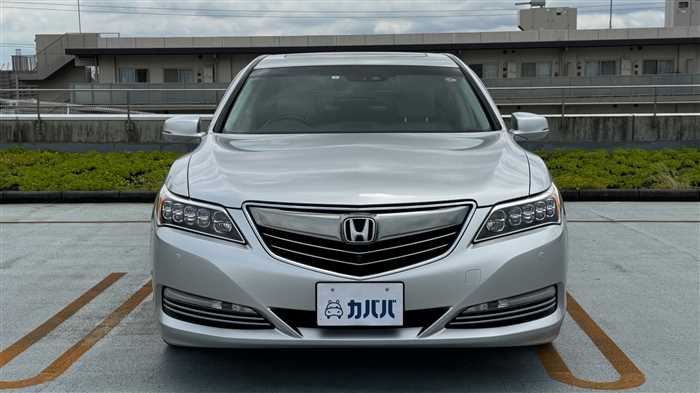
Importing a 2017 HONDA LEGEND into Uganda can be a great way to get a comfortable, well‑equipped luxury sedan at a competitive price. This guide walks you through what to look for, the paperwork and clearance basics, an illustrative cost example, where to buy, shipping options and common pitfalls to avoid. Laws, duties and fees change frequently — treat any duty/fee numbers below strictly as illustrations and confirm current Uganda Revenue Authority (URA) and Uganda National Bureau of Standards (UNBS) rules before you buy.
1. Pre‑purchase checks — what to look for
Vehicle condition and history: Check for accident repairs, rust, flood damage, and consistent service history. Ask for full inspection photos and videos (engine bay, undercarriage, interior, instrument cluster at ignition).
VIN/Chassis and engine numbers: Ensure VIN, chassis and engine numbers match the paperwork and photos. Run a VIN check where possible.
Mileage and odometer verification: Watch for signs of odometer tampering. Request recent service records.
Emission and safety features: Confirm catalytic converter, airbags, seat belts and lights are intact — UNBS may require certain standards for import.
Right‑hand drive compatibility: Uganda drives on the left, so Japanese right‑hand drive (RHD) vehicles are appropriate. Still confirm local registration requirements.
Salvage/title status: Avoid vehicles listed as salvage/total loss unless you fully understand paperwork and local acceptance rules.
Japanese auctions and exporters (e.g., USS auctions via an export broker)
Reputable Japanese used car exporters and dealers (examples: BE FORWARD, SBT, Trustar, Autorec — check reviews and export history)
Overseas dealers in Dubai, Singapore or the UK (less common for RHD imports to Uganda)
Buy from sellers who provide clear photos, a Japanese Export Certificate (Shaken/Export Certificate), a pro‑forma invoice and pre‑shipment inspection reports on request.
3. Shipping options
RORO (roll‑on/roll‑off): Cheaper, straightforward for standard cars, but less protection from weather and theft.
Container shipping (20ft/40ft): More secure — recommended for high‑value vehicles like a Legend or if shipping additional goods.
Typical route: shipped to Mombasa (Kenya) or Dar es Salaam (Tanzania) and then driven by truck to Uganda. Transit time from Japan to Mombasa is usually 3–6 weeks depending on routing.
4. Paperwork you will need
Original bill of lading (B/L) or sea waybill
Commercial invoice / pro‑forma invoice
Export certificate / deregistration documents from country of origin
Copy of seller’s ID and exporter documents
UNBS import permits or conformity documents if required
Customs clearing documents filed with URA (import declaration)
Proof of insurance for transit
Use a licensed clearing agent in Uganda to prepare and submit the import declaration and manage UNBS testing/approval if required.
5. Clearance basics in Uganda (overview)
Clearance involves customs valuation, payment of applicable duties and taxes, UNBS inspection/approval (where applicable), port handling charges and final registration. URA calculates duties based on the CIF value (cost + insurance + freight) as the customs value. UNBS may require conformity testing or approval for used vehicles — check current UNBS requirements before purchase.
6. Illustrative cost example (numbers are examples only — verify current rates)
Assume a 2017 Honda Legend purchased in Japan for USD 12,000. Example shipping and dues:
Purchase price: USD 12,000
Shipping (container to Mombasa) + insurance: USD 1,500
CIF value: USD 13,500
Illustrative import duty (example 25% of CIF): USD 3,375
Illustrative excise duty (example 15% applied on CIF + duty): USD 2,212 (this formula varies by law)
Clearing agent fees, port handling, inland transport to Kampala: USD 800–1,200
Estimated total landed cost in this illustration: roughly USD 24,500. Note: Uganda’s actual tariff structure, excise scales (often based on engine capacity and vehicle age), and VAT computations change — confirm exact URA formulas and current rates before making any purchase decision.
7. Step‑by‑step import process
Select the vehicle and request photos, video and export documents. Ask for VIN verification and pre‑shipment inspection if possible.
Ask the exporter for a pro‑forma invoice and estimated shipping timeline. Choose RORO or container.
Hire a licensed Ugandan clearing agent and advise them early so they can confirm UNBS/URA requirements and estimate duties.
Pay the exporter and arrange shipping. Secure the bill of lading and shipping schedule.
When the vessel arrives at the discharge port (Mombasa/Dar): clearing agent lodges import declaration with URA and arranges UNBS inspection if required.
Pay duties, excise, VAT and clearance fees. Agent arranges inland transport to Uganda and final registration with the traffic office.
8. What to avoid
Buying without VIN/chassis verification or clear export paperwork.
Falling for suspiciously low prices — hidden damage or outstanding finance may be present.
Skipping a pre‑shipment inspection or refusing a video walkthrough.
Assuming duty/tax formulas — always obtain up‑to‑date URA advice.
Failing to use a licensed clearing agent — errors can cause costly delays and demurrage.
Final thoughts
Importing a 2017 Honda Legend into Uganda can be rewarding if you follow the right steps: buy from a reputable source, verify VIN and condition, choose the appropriate shipping method (container recommended for luxury cars), and work with an experienced clearing agent to handle URA and UNBS requirements. Always budget for duties, excise, VAT and local clearance fees and confirm current rates and regulations with URA and UNBS before committing to a purchase.
FAQs
Q: Is it legal to import a used 2017 Honda Legend into Uganda?
A: Regulations change frequently. In many cases used cars can be imported subject to URA duties and UNBS conformity checks. Confirm current age limits, emissions and safety standards with URA/UNBS before buying.
Q: Do I need a clearing agent?
A: You are not required to use one personally, but a licensed clearing agent simplifies the process and reduces risk of paperwork errors and delays. They liaise with URA, UNBS and the port on your behalf.
Q: Which shipping option is best?
A: Container shipping is more secure for a high‑value car like a Honda Legend; RORO is cheaper but offers less protection.
Q: How long does import and clearance take?
A: From purchase to delivery in Kampala typically 4–8 weeks, depending on shipping schedules, port congestion, and how quickly URA/UNBS clear the vehicle.
Q: How can I verify the seller?
A: Check exporter reviews, request references, ask for export documents (Japanese Export Certificate), and obtain independent pre‑shipment inspections where possible.
Reminder: Laws, duty rates and UNBS/URA procedures change. Treat all numeric examples here as illustrations — always confirm current URA and UNBS requirements and rates before making a purchase.
The 2005 HONDA LEGEND (sold in some markets as the Acura RL) is a well-built, comfortable executive sedan that can deliver many years of trouble-free service when cared for properly....
The 2008 HONDA LEGEND (sold as the Acura RL in many markets) is a compelling choice in the used luxury sedan segment. It blends a smooth V6, refined interior, and...
As an experienced car inspector in Uganda, I understand the diverse needs of the automotive market here. The Honda Legend 2005 can be an intriguing option for many buyers, especially...
As a prospective buyer interested in the 2008 Honda Legend in Uganda, it’s essential to be aware of the common maintenance issues associated with this vehicle model. Given the unique...
Family owned dealership of new and pre-owned vehicles with several locations across the Uganda. Lowest prices and the best customer service guaranteed.
You're almost there, select at least one more to compare!
We use cookies to ensure that we give you the best experience on our website. If you continue to use this site we will assume that you are happy with it.
You can revoke your consent any time using the Revoke consent button.