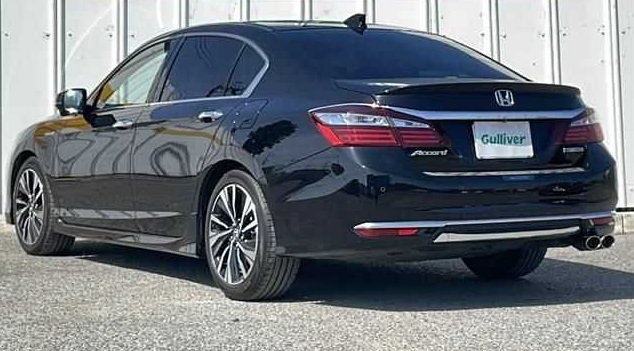
The 2020 HONDA ACCORD remains one of the simplest, smartest midsize sedans to buy used: roomy cabin, strong fuel economy, and a good mix of comfort and technology. But the Accord was offered with several powertrains and trim choices in 2020, and the “right” spec depends on your priorities. Below is a practical, buyer‑focused guide that weighs comfort, safety, handling and everyday use, summarizes trade‑offs, lists what to test on a drive, and ends with quick trim recommendations by buyer type.
Key choices and what they mean
Powertrain: 1.5L turbo (efficient, good daily power), 2.0L turbo (stronger acceleration and more engaging), and the Hybrid (best fuel economy). Your choice affects acceleration, fuel costs, and long‑term ownership expectations.
Transmission: Most 1.5L models use a CVT tuned for smoothness and economy; higher‑powered 2.0L cars may have a conventional automatic (and in some markets a manual was offered on limited variants). Expect differences in throttle response and driving character.
Trim level and comfort features: Trims range from basic (good value but fewer niceties) to fully loaded (leather, heated/ventilated seats, power seats, premium audio, larger infotainment). Bigger wheels and sport packages change ride quality.
Safety and driver assist:HONDA’s safety suite (adaptive cruise, lane‑keep assist, collision mitigation) is a central buying factor. Check whether the specific car you’re looking at has these as standard or added options, and whether extra features like blind‑spot monitoring and rear cross‑traffic alert are present.
Trade‑offs to consider
Performance vs. economy: The 2.0L turbo delivers brisk acceleration and a more engaging feel, but costs more at the pump and can have higher insurance/maintenance costs. The 1.5L turbo balances daily usability and fuel economy. The Hybrid maximizes mpg for long commutes.
Ride comfort vs handling: Larger wheels and sport suspension improve cornering and aesthetics but can make low‑speed ride harsher and increase road noise. If you spend most of your time on rough city streets, favor comfort‑oriented setups.
Tech and luxury vs price: Higher trims add comfort and safety features that matter day‑to‑day (heated/ventilated seats, power adjustments, upgraded stereo), but they raise purchase price. Decide which features you’ll actually use.
Manual or automatic: A manual (if you find one) can be fun but is rare and less convenient in heavy traffic. Most buyers will prefer the automatic/CVT for smoothness and easy commuting.
What to test on a drive (a 10‑minute checklist)
Acceleration and passing: Merge onto a highway and do a few passing maneuvers. Test whether the engine/transmission combo delivers adequate mid‑range power without lag.
Transmission behavior: Note responsiveness, shift smoothness, and whether the CVT produces rubber‑band sensations under hard throttle.
Ride quality: Drive over rough patches, expansion joints and potholes to judge suspension compliance and how well the car isolates road imperfections.
Noise and refinement: Listen for wind, tire and engine noise at city and highway speeds. Higher trims generally have better sound insulation.
Steering and handling: Assess steering weight, turn‑in feel and body control through a few twisty sections. Sportier trims should be crisper; comfort trims may feel softer.
Seat comfort and visibility: Sit in front and rear seats for at least 10–15 minutes. Check lumbar support, seat bolstering, headroom and rear legroom. Verify mirror placement and sightlines for blind spots.
Safety systems: Test adaptive cruise and lane‑keeping aids on a quiet road (with caution). Ensure alerts and camera views are clear and usable.
Infotainment and ergonomics: Connect your phone, try Apple CarPlay/Android Auto, use voice commands, and test climate controls for intuitive operation.
Trunk and daily usability: Open the trunk, fold seats if applicable, check rear seat access and child seat anchors if you have kids.
Quick recommendations by buyer type
Daily commuter focused on economy: Go Hybrid or a 1.5L CVT EX/EX‑L. You’ll get excellent mpg and a comfortable cabin with useful tech features.
Family buyer (safety and space): Mid‑to‑upper trims (EX‑L or Touring) with Honda Sensing + blind‑spot monitoring and rear cross‑traffic alert. Prioritize rear‑seat comfort and trunk space.
Driving enthusiast: Look for the 2.0L turbo in a Sport or Touring spec. You’ll get stronger acceleration and a more rewarding throttle/steering feel—test a manual if one is available and you want engagement.
Value‑minded buyer: The LX or lower EX trims offer the core Accord strengths—space, reliability and safety—without paying for luxury extras you may not use.
Urban/city driver: Favor the 1.5L for its low‑end efficiency and smoothness; choose a trim with good parking aids (rear cameras, sensors) and smaller wheels for easier parking and a softer ride.
Tech and comfort lover: EX‑L or Touring for leather, powered seats, ventilated front seats and premium audio—worth it if you do a lot of long highway driving.
Buying tips
Verify which safety features are standard on the specific vehicle—used cars can have different option packages.
Check service history for turbocharged engines; look for consistent oil service records and any recall updates.
Compare similar mileage examples across trims. Sometimes a slightly higher trim with more features is a better value than a base car that requires aftermarket upgrades.
Bring a mechanic for a pre‑purchase inspection if you’re buying privately or have any doubts about wear items.
Final thoughts
The right 2020 Honda Accord spec balances your priorities: choose the 1.5L or Hybrid if economy and daily comfort matter most, the 2.0L if you want performance, and higher trims if you value luxury and advanced safety tech. On a test drive, focus on acceleration, ride quality, noise levels, and the behavior of driver‑assist systems. With its roomy interior and strong reliability record, the Accord is a solid choice across a wide range of buyers—just match trim and powertrain to how and where you drive.
FAQs
Q: Is the 2020 Accord reliable?
A: Generally yes. The Accord has a reputation for strong reliability. Check maintenance records for turbo models and confirm recalls have been addressed before purchase.
Q: Which engine is best for highway driving?
A: The 2.0L turbo offers the most effortless passing power and higher sustained speeds; the Hybrid also performs well and returns the best fuel economy on long commutes.
Q: Are safety features like adaptive cruise control standard?
A: Honda’s driver‑assist suite was widely available across the 2020 lineup. Confirm the specific vehicle has the features you expect, as older or base used cars may vary by market.
Q: Do bigger wheels improve handling?
A: Larger wheels and sport suspension can improve cornering feel but often at the cost of a firmer ride and more road noise. For comfort, choose smaller wheels and focus on tire quality.
Q: Is the CVT a problem?
A: The CVT in the 1.5L is tuned for smoothness and efficiency. Some drivers dislike the CVT feel under hard acceleration, but it’s generally reliable—inspect service history and test drive to see if it suits you.
The Honda Accord Tourer 2011 is often regarded for its balance of performance and practicality, making it a compelling option for long-distance driving in Uganda’s diverse terrains. With a robust...
As a seasoned car inspector based in Uganda, I understand the critical factors that potential buyers consider when looking at vehicles like the 2017 Honda Accord Hybrid. City commuters in...
The 2015 HONDA ACCORD is a solid mid‑size sedan with a reputation for reliability, but like any decade‑old car it benefits from preventative maintenance and targeted troubleshooting. Below is a...
The 2015 HONDA ACCORD is a popular midsize sedan that’s widely known for dependable daily driving, decent fuel economy, and strong resale value. Below are concise, practical notes you can...
Family owned dealership of new and pre-owned vehicles with several locations across the Uganda. Lowest prices and the best customer service guaranteed.
You're almost there, select at least one more to compare!
We use cookies to ensure that we give you the best experience on our website. If you continue to use this site we will assume that you are happy with it.
You can revoke your consent any time using the Revoke consent button.