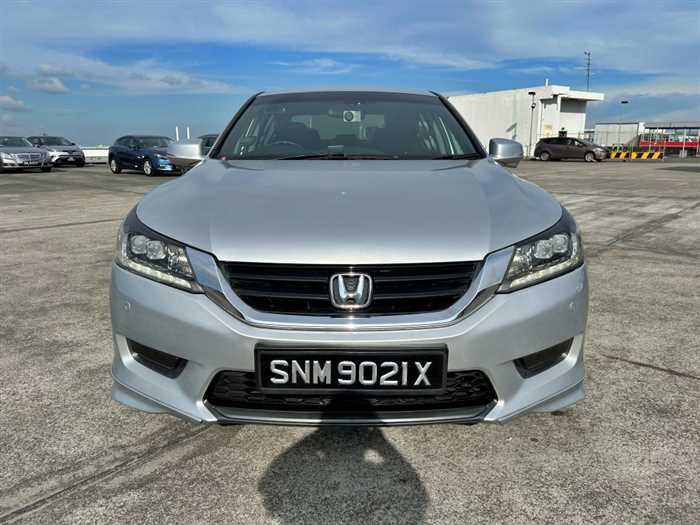
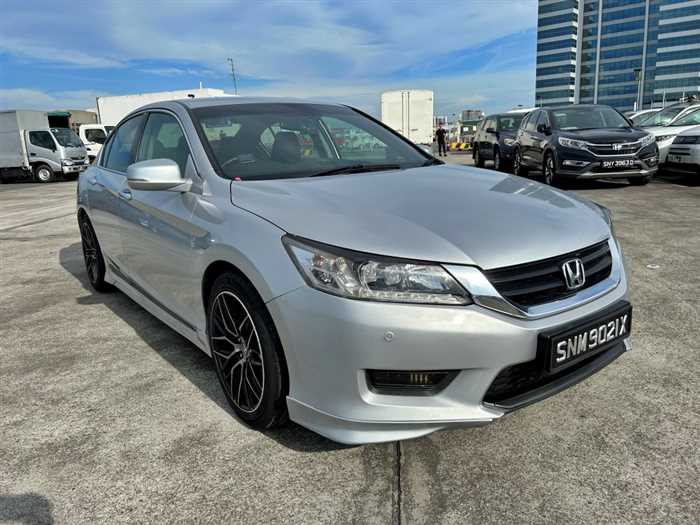
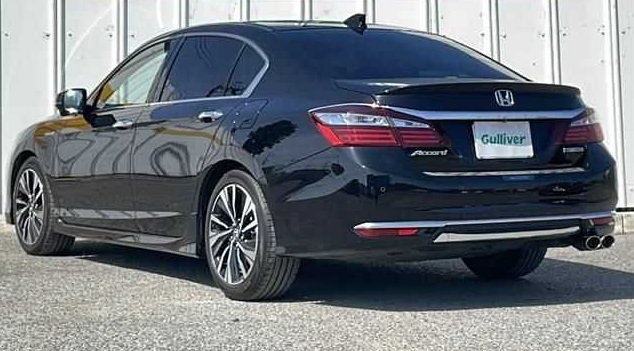
The 2015 HONDA ACCORD is a solid mid‑size sedan with a reputation for reliability, but like any decade‑old car it benefits from preventative maintenance and targeted troubleshooting. Below is a practical schedule and checklist for owners and prospective buyers, along with common problems to watch for and easy checks you can do yourself or ask a technician to perform.
Basic maintenance schedule (practical overview)
Always consult the vehicle’s owner’s manual for HONDA’s official intervals. The list below is a practical, owner‑friendly schedule you can follow to keep a 2015 Accord running well.
Every month / before long trips: Check engine oil level, tire pressure, and coolant level. Inspect lights and windshield washer fluid.
Every 5,000–7,500 miles: Change engine oil and filter (use recommended oil grade—many 2015 Accords call for 0W‑20 synthetic). Rotate tires and inspect brakes, suspension components, and belts for visible wear.
Every 15,000–30,000 miles: Replace engine air filter and cabin (pollen) filter. Inspect battery condition and clean terminals. Check wheel alignment if you notice uneven tire wear or pulling.
Every 30,000–60,000 miles: Inspect/replace spark plugs (interval depends on engine and spark plug type), inspect drive belts, and have the transmission fluid/service performed per the transmission type and driving conditions.
Every 2–3 years: Replace brake fluid and inspect brake lines/hoses. Brake fluid absorbs moisture over time reducing braking effectiveness.
Long‑term (60,000+ miles): Coolant service, full inspection of suspension bushings, struts, and exhaust. Timing chains on Honda engines generally do not require routine replacement but listen for unusual chain noise and inspect tensioners if symptoms appear.
Routine DIY checks (fast and useful)
Oil: Park on level ground, wait a few minutes after shutting off, pull the dipstick and check level and oil color/consistency.
Tires: Check pressure and tread depth; look for uneven wear patterns which indicate alignment or suspension issues.
Brakes: Listen for grinding or squealing; visually inspect pad thickness through the wheel spokes or have a shop check them.
Battery: Check age (sticker) and terminals for corrosion; test with a meter if you have one—healthy voltage ~12.6 V at rest.
Lights & HVAC: Confirm all exterior and interior lights work and that HVAC blows hot/cold as expected.
Common problems to watch for (2015 Accord)
While many examples run trouble‑free, these are issues commonly reported by owners and worth checking when buying or maintaining a 2015 Accord:
Oil consumption or leaks: Check oil level regularly. Some Hondas can develop higher oil consumption as mileage increases—look for blue smoke on startup, oil leaks at the valve cover or oil pan, and low oil level between changes.
Transmission behavior: Pay attention to hesitation, hard shifts, slipping, or unusual shuddering during acceleration. A diagnostic scan and transmission fluid inspection can reveal early problems.
Suspension noises & ride quality: Worn struts, bushings, or sway bar links can cause clunks over bumps—have these inspected, especially if the vehicle has high mileage or rough roads in its history.
Electrical/infotainment quirks: Intermittent radio, navigation, or accessory power problems can arise—check all electronics during a test drive.
Air conditioning performance: Loss of cooling can be caused by leaks, a failing compressor, or low refrigerant—verify cold airflow during a test drive.
Pre‑purchase / buyer checklist
If you’re evaluating a used 2015 Accord, perform these steps or insist a mechanic does them:
Check VIN history for accidents, title issues, and service records.
Confirm regular oil change records and major services (brake fluid, coolant, transmission if applicable).
Test drive at different speeds—listen for engine noises, transmission shifts, brake pedal feel, steering pull, and suspension clunks.
Scan for stored diagnostic trouble codes (an OBD‑II scan can reveal misfires, sensor failures, or transmission codes even if the check‑engine light is off).
Inspect undercarriage for leaks, rust, or recent repairs. Look for wet oil, coolant, or transmission fluid stains.
Have a trusted mechanic perform a compression/leakdown check if you suspect engine wear, and a brake inspection to assess pad and rotor remaining life.
Troubleshooting basics — quick diagnostic steps
Check engine light: Read codes first; common codes can point to oxygen sensors, misfires, or evaporative system leaks. Address codes before more extensive repairs.
Soft or spongy brakes: Check brake fluid level, bleed air from the system, and inspect calipers and lines. Replace pads/rotors if worn.
Rough idle/misfire: Check spark plugs, ignition coils, fuel pressure, and MAF or intake vacuum leaks.
Overheating: Inspect coolant level, radiator condition, thermostat operation, and fan operation. Address leaks immediately to avoid head gasket damage.
Note: When in doubt, get a professional inspection. Early fixes are usually far cheaper than repairs after a failure.
Final thoughts
With routine oil changes, timely filter replacements, attention to tires and brakes, and periodic inspections of fluids and suspension components, a 2015 Honda Accord can provide many more years of dependable service. Owners should stay vigilant for oil consumption, transmission irregularities, and suspension noise, and always verify maintenance and recall history when buying used. Simple monthly checks and following a practical maintenance schedule will prevent most common problems and protect resale value.
FAQs
Q: How often should I change the oil on a 2015 Accord?
A: Follow the owner’s manual, but a practical interval is every 5,000–7,500 miles with quality synthetic oil and a good filter. Check level between changes and adjust frequency for severe driving conditions.
Q: Does the 2015 Accord have a timing belt that needs replacing?
A: Most 2015 Accord engines use a timing chain, which typically does not require routine replacement. However, listen for unusual chain noise and have tensioners checked if symptoms arise.
Q: What should I look for during a test drive?
A: Listen for engine or transmission noises, check for smooth shifts and steady acceleration, test brakes for responsiveness and noise, and assess steering for pull or vibration. Test A/C and electronics as well.
Q: Are there any common recalls or TSBs I should check?
A: Yes—always search the VIN at the manufacturer or NHTSA website for open recalls and review Technical Service Bulletins (TSBs) that may describe common problems and recommended fixes.
Q: Can I perform most of this maintenance myself?
A: Many items—oil changes, air/cabin filter replacement, tire rotations, and basic checks—are DIY friendly. For transmission service, diagnostics, suspension repairs, and any engine internal work, use a qualified technician.
The Honda Accord Tourer 2011 is often regarded for its balance of performance and practicality, making it a compelling option for long-distance driving in Uganda’s diverse terrains. With a robust...
As a seasoned car inspector based in Uganda, I understand the critical factors that potential buyers consider when looking at vehicles like the 2017 Honda Accord Hybrid. City commuters in...
The 2015 HONDA ACCORD is a popular midsize sedan that’s widely known for dependable daily driving, decent fuel economy, and strong resale value. Below are concise, practical notes you can...
As an experienced car inspector based in Uganda, I understand the unique demands that various drivers face. When considering the 2008 Honda Accord, it’s essential to think about how it...
Family owned dealership of new and pre-owned vehicles with several locations across the Uganda. Lowest prices and the best customer service guaranteed.
You're almost there, select at least one more to compare!
We use cookies to ensure that we give you the best experience on our website. If you continue to use this site we will assume that you are happy with it.
You can revoke your consent any time using the Revoke consent button.