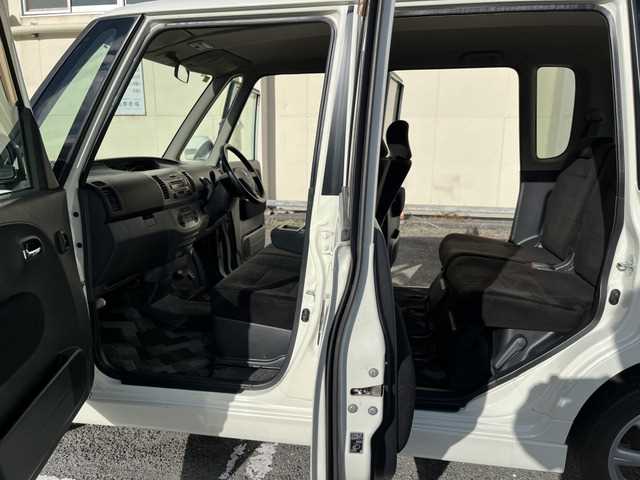
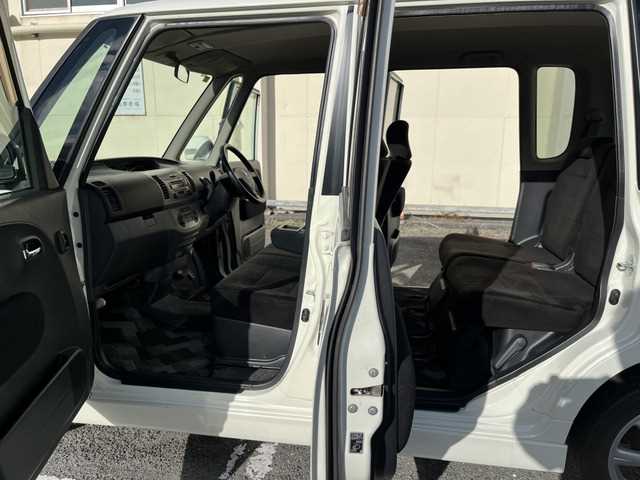
The 2006 DAIHATSU TANTO (including the slightly upmarket Tanto Custom) is a classic kei‑car choice: very tall, surprisingly roomy for its footprint, and built for city practicality. If you’re looking at one on the used market, a careful pre‑purchase inspection will help you avoid common pitfalls and make the best ownership decision. This guide covers exterior and trim checks, engine and drivetrain points, how to read the vehicle history, test‑drive checks, red flags to watch, and post‑purchase follow‑ups.
Trim and exterior checklist
Body condition and rust: Inspect wheel arches, lower door edges, sills and the underbody for bubbling paint, surface rust or holes. Rust can be expensive to repair and often indicates long‑term coastal or salted‑road exposure.
Paint and panel gaps: Look for inconsistent paint, mismatched panels or uneven gaps — signs of previous accident repair. Small scuffs are normal; large mismatches are a red flag.
Sliding doors and locks: Tanto models often have one or two sliding doors. Check that they open and close smoothly, latch securely and don’t bind. Listen for grinding or feel for rough rollers; replace/repair can be costly.
Windows and seals: Test every window and the windscreen for pitting or cracks. Check door seals for hardening or leaks — water ingress leads to electrical and interior mould issues.
Lights and trim: Test all exterior lights (high/low beam, indicators, brake lights, reverse). On the Custom trim, check any cosmetic features like fog lights or alloy wheels for damage.
Engine and drivetrain – what to check
Most Tantos use small 660cc three‑cylinder engines typical of Japanese kei cars. Variants include naturally aspirated and, in some markets, turbocharged options; transmissions are commonly CVT or automatic, with occasional manual or 4WD variants.
Cold start: A healthy engine should start readily when cold and settle smoothly to idle without excessive smoke or rattling.
Smokes and smells: Blue smoke on acceleration suggests oil burning. White smoke after start or during running may indicate coolant burning. Black sooty smoke points to rich running—check turbo and injectors if fitted.
Oil condition and leaks: Check the dipstick for froth, thinness or very dark oil. Look beneath the engine for drips around gaskets and oil pan. Minor seepage is common; heavy leaks are a concern.
Cooling system: Inspect coolant level and look for oil in coolant or a milky residue—possible head gasket issues. Ensure the radiator and hoses are in good condition.
Transmission/CVT behavior: CVTs should be smooth; hesitation, juddering or high revving without corresponding acceleration can indicate CVT wear or poor service history. For automatics or manuals, check gear engagement and watch for slipping or rough shifts.
Suspension and steering: Listen for knocks over bumps, and check for excessive play in the steering wheel or uneven tyre wear which can indicate alignment or suspension problems.
Vehicle history and documentation
Service records: A regularly serviced car with documented oil changes and CVT/gearbox service is preferable. Kei engines are small and need consistent care.
Accident and title history: Look for records of major bodywork, flood, or frame damage. Import/export paperwork should be checked closely if the car changed markets.
Mileage and usage pattern: Confirm odometer reading is consistent with wear. Extremely low mileage with lots of cosmetic wear or a recently reset odometer are red flags.
Number of owners and registration: Multiple short‑term owners or long periods of inactivity increase the risk of neglected maintenance.
Test‑drive checklist
Initial impressions: Start the car cold and listen for unusual noises—tapping, knocking, loud rattles or belt squeal.
Acceleration and power delivery: Drive up hills and fully load the engine to detect lack of power, hesitation, or turbo lag on turbo models.
Transmission response: For CVT, look for smooth, proportionate rev changes and no surging. For automatics, expect crisp shifts. Manuals should have a firm clutch engagement and no grinding.
Brakes: Test at moderate speed — brakes should feel even, without pulsing (warped rotors) or pulling to one side.
Suspension and NVH: Drive over irregular surfaces to check for clunks, rattles and excessive body roll. Listen for worn bushings or worn strut mounts.
Comfort features: Test heater/air conditioning, all switches, dash indicators and the audio system. Electrical gremlins can be hard to track down later.
Key red flags
Major structural rust or floor pans with holes.
Significant oil leaks, burning oil (blue smoke), or coolant loss paired with overheating.
Severe CVT symptoms: juddering, rev‑matching without acceleration, or slipping at normal loads.
Severe panel mismatch or hidden rust behind replacement panels (suggests prior accident and rushed repairs).
Unusual engine noises like loud knocking or metallic clatter on start or under load.
Electric sliding doors that don’t operate reliably or bind — repair bills can be high.
Follow‑up items if you buy it
Immediate service: Change engine oil, oil filter, brake fluid and coolant if the service history is unclear. Small engines are sensitive to oil condition.
CVT/transmission service: Replace fluid if due and consider a full inspection by a technician experienced with CVTs.
Timing/check‑valve service: Verify whether the engine uses a timing chain or belt and follow recommended maintenance intervals; replace if unknown.
Tyres, alignment and brakes: New tyres and alignment will improve safety and tyre life; replace worn pads/rotors.
Lubricate sliding door tracks and inspect seals to prevent water ingress.
Rustproofing: Treat vulnerable areas and underbody if you plan long‑term ownership in humid/coastal regions.
General inspection: A pre‑delivery check by a qualified mechanic can uncover issues not obvious on a test drive.
Final thoughts
The 2006 DAIHATSU Tanto and Tanto Custom are practical, efficient little cars ideal for city use. Because they’re compact and affordable, many examples have been driven hard and may show age. Prioritize rust inspection, sliding door function, and the condition of the small 660cc engine and transmission (especially CVT behavior). Documentation and a mechanic’s inspection are worth the investment. When you buy a well‑maintained example and perform a few immediate preventive services, a Tanto can be an economical, reliable runabout for years.
FAQs
Q: Are replacement parts for a 2006 Tanto easy to find?
A: In many regions parts are reasonably available through Daihatsu dealers and aftermarket suppliers. Availability varies by country—common consumables (filters, brake parts, tyres) are easy to source, while some body panels or trim may be harder or sourced from used parts.
Q: Do Tantos commonly have CVT problems?
A: CVTs can be durable if serviced on schedule, but they are more sensitive to neglected maintenance than conventional automatics. Look for smooth operation on a test drive and a documented service record for CVT fluid changes.
Q: Is rust a major concern?
A: Yes—especially in cars from coastal areas or where roads are salted in winter. Carefully inspect underbody, sills and wheel arches; surface rust can be treated, but structural rust is costly.
Q: Should I worry about the sliding doors?
A: Sliding doors add convenience but are subject to wear: rollers, tracks, and seals can fail. Test them thoroughly; factor potential repair into the purchase decision if they stick or grind.
Q: Any recommended first service after purchase?
A: Yes—change engine oil and filter, inspect/replace CVT or transmission fluid as needed, check and top up coolant and brake fluid, and have a mechanic perform an overall inspection.
The DAIHATSU TANTO is a popular kei-car “tall box” that blends compact exterior dimensions with a surprisingly roomy interior. The 2018 models are typically practical, economical, and feature sliding doors...
This focused checklist helps dealers evaluate a 2008 DAIHATSU TANTO CUSTOM or comparable kei/compact vehicle before purchase or trade-in. It covers paperwork, physical inspection, a structured test drive, mileage/odometer checks,...
I can help — but costs vary a lot by country, fuel price, insurance rules and how many km/miles you drive. Which country/market are you in (Japan, UK, Australia, etc.)...
The Daihatsu Tanto Custom 2006 has emerged as a notable contender in the Ugandan automotive landscape, particularly for those seeking compact, reliable transportation. Known for its efficient fuel consumption and...
Family owned dealership of new and pre-owned vehicles with several locations across the Uganda. Lowest prices and the best customer service guaranteed.
You're almost there, select at least one more to compare!
We use cookies to ensure that we give you the best experience on our website. If you continue to use this site we will assume that you are happy with it.
You can revoke your consent any time using the Revoke consent button.