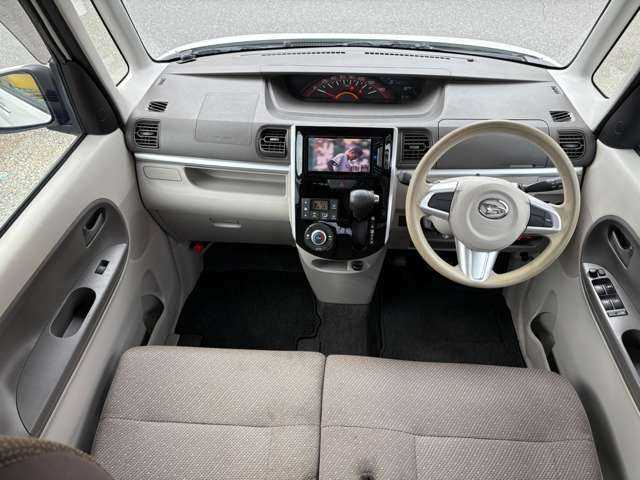
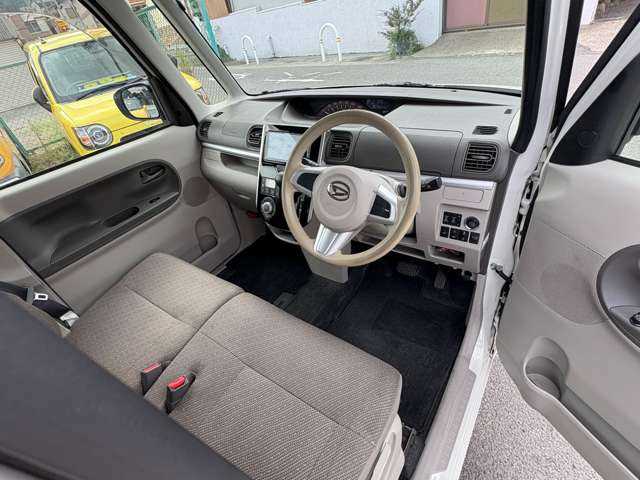
The DAIHATSU TANTO is a popular kei-car “tall box” that blends compact exterior dimensions with a surprisingly roomy interior. The 2018 models are typically practical, economical, and feature sliding doors and a CVT transmission. If you’re considering a used 2018 Tanto, here’s a focused checklist: what to inspect during a test drive, which documents to demand, common trim/engine variants you’ll find, and the serious red flags you must not ignore before paying.
Quick overview: trims & engine variants
Engine: 660cc 3-cylinder gasoline engines are standard. You’ll see naturally aspirated (NA) variants and some turbocharged variants in sportier trims — both are designed for kei-car efficiency.
Transmission: Continuously Variable Transmission (CVT) is the norm. Expect a small, fuel-focused CVT rather than a stepped automatic.
Common trims: base/entry-level, mid-spec (often labeled X or G depending on market), and higher-spec/cosmetic packages (Custom or Custom RS). Higher trims add features like power sliding doors, Smart Assist (DAIHATSU’s driver aid), alloy wheels, upgraded interior trim, and infotainment/navigation units.
Options to watch for: power sliding doors (left/right), keyless entry/start, rear camera/parking sensors, automatic emergency braking (Smart Assist versions), and upgraded seats or leatherette in top trims.
On-trial checklist — what to check during the inspection & test drive
Exterior & body
Panel gaps & paint: look for uneven gaps, overspray, mismatched paint — signs of past collisions or repairs.
Sliding doors: operate them multiple times (manual and powered versions). Check for smooth travel, alignment, and secure latches.
Rust & corrosion: inspect door sills, wheel arches, underside, and floor pans — especially if the car comes from regions with heavy winter salting.
Tires & wheels: check tread depth, date codes on the sidewalls (age), and any curb rash or bends in wheels.
Interior & electronics
Seats & rails: watch for loose seat adjustment rails or excessive wear on driver seat bolsters.
Infotainment/camera: test the screen, rear camera, sensors, and Bluetooth connectivity.
HVAC: test heating and cooling performance and rear defog/AC if fitted.
Warning lights: ensure there are no persistent fault lights after startup (check ABS, airbag, engine MIL).
Engine, transmission & driveability
Cold start: engine should start reasonably quickly with no excessive cranking. Note any rattles or knocking on cold start.
Idle & warm-up: idle should be steady and smooth once warmed up. Look for smoke (blue/white/black) from the exhaust.
Acceleration: CVT should deliver smooth and linear acceleration. Watch for slip, lag, jerking, or a mechanical clunk when accelerating/decelerating.
Brakes & steering: brakes should bite without vibration or pulling; steering play should be minimal with no clunks over potholes.
Suspension: listen for knocks, squeaks, or harshness over bumps — could indicate worn bushes or struts.
Paperwork & history — what you must get and verify
Title/registration and VIN/chassis number: ensure the VIN stamped on the car matches the paperwork. If imported, verify import documentation and clearance papers.
Shaken/inspection (where applicable): in markets with periodic inspections, check the next inspection due date and any notes on the inspection sheet.
Service history: a consistent maintenance record is valuable. Look for oil change intervals, CVT fluid services, timing-related work (if applicable) and receipts for any major repairs.
Auction sheet or dealer report (for Japanese imports): auction sheets often list prior damage, repairs, and grade. Read them carefully for “B” or “C” grades or any notation of structural repair.
Recall & compliance: check that recalls have been addressed — you can verify with a Daihatsu dealer or national recall database.
Odometer history: look for consistency across service stamps and documents. Sudden drops/inconsistencies are a red flag.
Serious red flags — walk away or investigate deeply
CVT problems: slipping, violent surging, loud whining, or refusal to engage properly. CVT repairs/replacements can be expensive.
Heavy rust or structural corrosion: visible rot in sills, subframe, strut towers, or floor pans — particularly common in older salted-road cars.
Evidence of airbag deployment or structural repairs not disclosed: inconsistent paint, welds in the A/B pillars, or a missing airbag history.
Persistent oil consumption, smoke, or metallic noises from the engine: could indicate internal wear that’s costly to fix.
Water damage / flood signs: musty odor, discolored carpets, corroded electrical connectors, or fogged cluster lenses — flood-damaged cars cause long-term electrical headaches.
Mystery service gaps and inconsistent odometer readings: suggest tampering or hidden history.
Practical buying tips & negotiation leverage
Bring a mechanic or arrange a pre-purchase inspection (PPI) — especially if you’re not comfortable with CVT diagnosis or rust inspection.
Use service records to negotiate price: missed scheduled services, lack of CVT fluid changes, or old tires justify a discount.
Check the spare wheel, jack, and toolkit. Missing items are small but useful bargaining points.
Ask about previous ownership and typical use (city-only, long highway runs, or commercial use). City-only cars may show different wear but also may have underused components.
If buying an import, get a translated auction sheet and confirm any past accident codes. Buy from reputable importers who offer a limited warranty if possible.
Final thoughts
The 2018 Daihatsu Tanto is an efficient, versatile kei car that can serve well as a city runabout or small family vehicle. Focus your inspection on the CVT behavior, signs of rust or structural repairs, sliding-door operation, and the completeness of service records. Demand matching VINs and inspection/service documentation, and don’t hesitate to get a professional pre-purchase inspection if anything feels uncertain. With the right checks, you can find a reliable Tanto that offers exceptional convenience in a very compact package.
FAQs
Q: Are CVT issues common on the 2018 Tanto?
A: CVTs are common in kei cars; when properly maintained they are reliable. Issues are more likely if service intervals were ignored (no CVT fluid change) or if the car experienced heavy loads/abuse. Listen for slipping, shuddering, or unusual noises during the test drive.
Q: Is the turbo version worth it?
A: Turbo variants offer better acceleration and responsiveness, useful if you do frequent hill climbs or highway merging. They can add complexity and possibly higher maintenance costs; inspect turbocharged examples for blow-by, oil leaks, and turbo noise.
Q: How important is the sliding door mechanism?
Very important — the sliding doors are a key convenience feature. Check for ease of operation, alignment, and any grinding or binding, and ensure powered doors open/close smoothly and latch securely.
Q: Should I be worried about rust on a Japanese import?
Yes — coastal or northern imports from salted regions can have hidden corrosion. Inspect sills, underbody, wheel wells, and suspension mounts carefully. Documented rust repairs should be checked for quality.
Q: How often should CVT fluid be changed?
Manufacturer recommendations vary; typical intervals are roughly every 40,000–60,000 km (25,000–40,000 miles) or as specified in the service manual. Always verify with the service book and receipts.
Q: Is a pre-purchase inspection necessary?
Recommended. A trusted mechanic can detect issues you may miss — especially CVT problems, hidden structural repairs, or early-stage rust. The inspection cost is small compared with potential repair bills.
This focused checklist helps dealers evaluate a 2008 DAIHATSU TANTO CUSTOM or comparable kei/compact vehicle before purchase or trade-in. It covers paperwork, physical inspection, a structured test drive, mileage/odometer checks,...
I can help — but costs vary a lot by country, fuel price, insurance rules and how many km/miles you drive. Which country/market are you in (Japan, UK, Australia, etc.)...
The 2006 DAIHATSU TANTO (including the slightly upmarket Tanto Custom) is a classic kei‑car choice: very tall, surprisingly roomy for its footprint, and built for city practicality. If you’re looking...
The Daihatsu Tanto Custom 2006 has emerged as a notable contender in the Ugandan automotive landscape, particularly for those seeking compact, reliable transportation. Known for its efficient fuel consumption and...
Family owned dealership of new and pre-owned vehicles with several locations across the Uganda. Lowest prices and the best customer service guaranteed.
You're almost there, select at least one more to compare!
We use cookies to ensure that we give you the best experience on our website. If you continue to use this site we will assume that you are happy with it.
You can revoke your consent any time using the Revoke consent button.