Focused, practical advice to keep your F48 X1 reliable and long‑lived. Covers tyres, fluids, battery care and a few safe upgrades that favor durability over outright performance tuning.
Understanding the F48 Basics
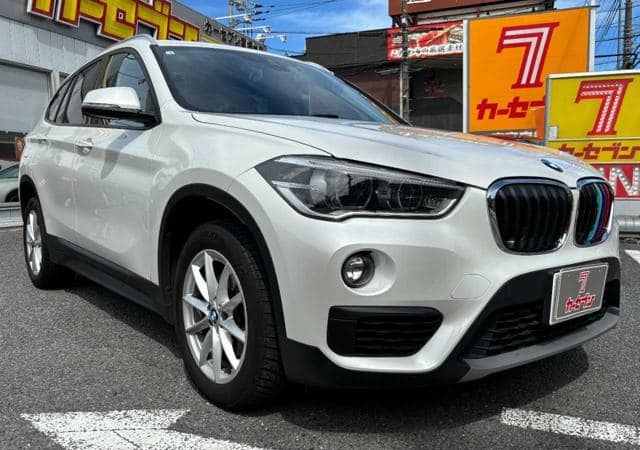
The 2018 BMW X1 (F48) is a compact luxury crossover built on modern turbocharged engines, often with BMW’s 8‑speed automatic and optional xDrive all‑wheel drive. That architecture rewards preventive care: correct fluids, attention to consumables and a few modest upgrades will reduce repair bills and extend useful life.
Tyres — Safety, Economy and Longevity
Tyres are the single biggest component affecting safety and drivetrain stress. Follow these points:
Size and spec: Use sizes and load/rating listed on the door placard or owner’s manual. Common sizes include 225/50R17 and 225/45R18 but confirm for your trim.
Seasonal tyres: Use dedicated summer and winter tyres if you face cold/wet conditions—this preserves tyre life and improves safety. All‑season is a compromise.
Run‑flat vs conventional: Run‑flats are convenient but typically harsher and costlier. If replacing, consider quality conventional tyres with a compact spare or sealant kit for improved comfort and longevity.
Rotation and alignment: Rotate every 8,000–12,000 km (5,000–8,000 miles) and check alignment annually or after hitting potholes. Uneven wear shortens tyre life and burdens suspension components.
Pressure and inspection: Check tyre pressures monthly (cold), and inspect for cuts, bulges or uneven wear. Proper pressure improves fuel economy and reduces wear.
Fluids — Use the Right Specs and Replace on Schedule
Fluids keep modern engines, transmissions and brakes functioning reliably. Use BMW‑approved products or quality equivalents and stick to recommended service intervals.
Engine oil: Use a BMW‑approved synthetic oil (check your owner’s manual for the exact Longlife spec required by your engine). Typical intervals are 10,000–15,000 km or 12 months, but shorter intervals (10k / 12 months) are conservative and beneficial if you do many short trips or towing.
Coolant: Use BMW‑approved ethylene‑glycol based coolant and replace per the manual—typically every 4 years or when contaminated. Keep the cooling system in top shape: radiator, hoses and thermostat inspections prevent overheating which causes costly engine damage.
Brake fluid: DOT 4 is typical; flush every 2 years. Brake fluid absorbs moisture over time and can corrode ABS components and reduce braking performance.
Transmission fluid: The F48 commonly uses an 8‑speed automatic (ZF 8HP) in many variants. Follow BMW guidance—some OEMs label transmission fluid as “lifetime,” but a conservative change at 100,000–120,000 km can extend transmission life. Have changes done by a competent shop; use BMW or ZF‑approved fluid.
Differential/transfer case: For xDrive models, check service intervals and fluid types—replace per BMW guidance to protect gears and clutches.
Misc: Replace engine air filter (~30k km), cabin pollen filter (~15–30k km) and spark plugs per schedule (many petrol engines around 60–100k km) to maintain efficiency and reduce stress on components.
Battery Care — Avoid Unexpected Failures
Modern X1s often have start/stop systems and can use AGM or EFB batteries. Proper battery care prevents electrical faults and extends battery life.
Type: Confirm whether your vehicle requires an AGM/EFB battery. Replacing like‑for‑like is important for charging system compatibility.
Charging and storage: Avoid leaving the car unused for extended periods. Use a smart maintainer/trickle charger if parked for weeks. Short trips and heavy electrical loads (infotainment, heated seats) stress the battery.
Inspection and terminals: Check terminals for corrosion and ensure solid connections. Clean and protect terminals periodically.
Replacement interval: Expect 4–6 years in many climates; replace earlier if capacity drops. When replacing, register the battery with BMW diagnostic tools if required (some cars need this to manage charging correctly).
Safe, Durability‑Focused Upgrades
If you want to modify your X1, prioritize parts that reduce wear or improve reliability rather than increase power.
Brake upgrades: High‑quality OEM+ pads and rotors (ceramic or premium semi‑metallic) improve fade resistance and reduce heat stress on calipers.
Brake lines: Stainless‑steel braided lines maintain pedal feel and resist swelling—beneficial in older rubber lines.
Cooling system enhancements: Replace old hoses, thermostats and coolant expansion tanks with OEM parts. Consider an upgraded fan relay or higher‑quality thermostat only if overheating issues exist; otherwise, keep it stock.
Underbody protection and rust proofing: Apply discreet rust protection to vulnerable seams and underbody areas if you live in salted‑road regions.
Heavy‑duty engine mounts: If you tow or frequently carry heavy loads, stronger mounts reduce stress on the drivetrain and improve long‑term alignment of components.
Cabin and engine bay filters: Upgrading to higher‑efficiency cabin filters (activated carbon) improves air quality and reduces HVAC wear; a quality engine air filter reduces intake restriction and protects the turbo.
Battery: Fit a higher‑capacity, OEM‑spec AGM if you run many electrical accessories—but keep compatibility and battery registration in mind.
Avoid irreversible engine or ECU remaps that increase power without addressing supporting hardware (cooling, transmission cooling, brakes). Those increase wear and risk premature component failure.
Routine Checks That Pay Off
Regular visual inspections and minor fixes prevent big repairs:
Listen for unusual noises from timing chains, turbos or suspension; act early.
Check for oil leaks at the valve cover gasket, oil filter housing and oil cooler lines—these are common leak points.
Observe exhaust smoke patterns—blue smoke (oil burn) or white smoke (coolant) indicate issues needing early attention.
Keep software updated at dealer/service—BMW software updates often fix known faults and improve system reliability.
Final thoughts
Keeping a 2018 BMW X1 (F48) reliable is mostly about correct consumables, timely fluid changes and intelligent, conservative upgrades. Prioritize correct tyre selection and pressure, use BMW‑approved oils and fluids, maintain healthy battery habits and consider upgrades that reduce wear (brakes, cooling, protection) rather than chase peak power. Regular inspections and prompt attention to small issues will keep repair costs down and the vehicle long‑lived.
FAQs
How often should I change the engine oil?
Follow the owner’s manual, but a conservative interval is every 10,000–12,000 km (6,000–8,000 miles) or annually if you do mostly short trips. Always use a BMW‑approved synthetic oil.
Are run‑flat tyres worth it?
Run‑flats let you continue driving after a puncture but are stiffer and often more expensive. For ride comfort and longevity, many owners prefer conventional tyres with a repair kit or spare.
Does my X1 need DOT4 brake fluid?
Most BMWs use DOT4; flush the system every 2 years to prevent moisture‑related corrosion and maintain braking performance.
What battery type does my X1 require?
Check the factory battery: many 2018 X1s use AGM or EFB for start/stop systems. Replace like‑for‑like and register the new battery with dealer diagnostics if required.
Should I upgrade the transmission fluid sooner?
If the vehicle is used for heavy towing, lots of city traffic or aggressive driving, consider changing automatic transmission fluid at ~100,000 km. Otherwise, follow BMW service advice.
As an experienced car inspector based in Uganda, I’ve seen firsthand how crucial it is for buyers to evaluate a vehicle’s performance and efficiency based on their unique driving conditions....
Below is a concise, practical overview of ownership costs for a 2021 BMW X1 (typical 2.0L turbo models found in the US and many other markets). If you want numbers...
The 2014 BMW X1 is a compact premium crossover that aims to blend BMW driving dynamics with a small SUV’s practicality. This briefing collects the most useful, pragmatic information for...
The 2022 BMW X1 is a subcompact luxury crossover that attracts buyers who want BMW driving dynamics and upscale interior feel in a smaller, practical package. Owners consistently praise its...
Family owned dealership of new and pre-owned vehicles with several locations across the Uganda. Lowest prices and the best customer service guaranteed.
You're almost there, select at least one more to compare!
We use cookies to ensure that we give you the best experience on our website. If you continue to use this site we will assume that you are happy with it.
You can revoke your consent any time using the Revoke consent button.