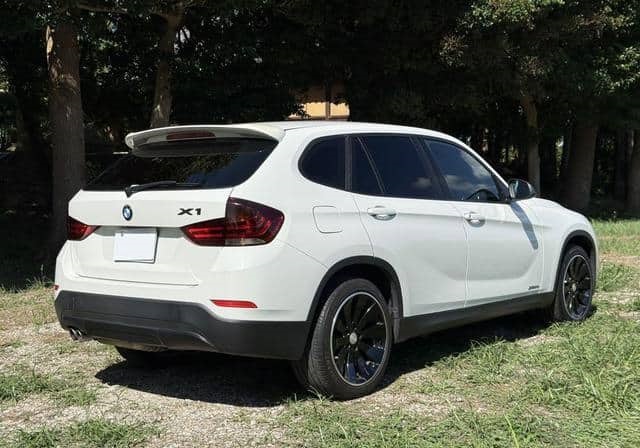
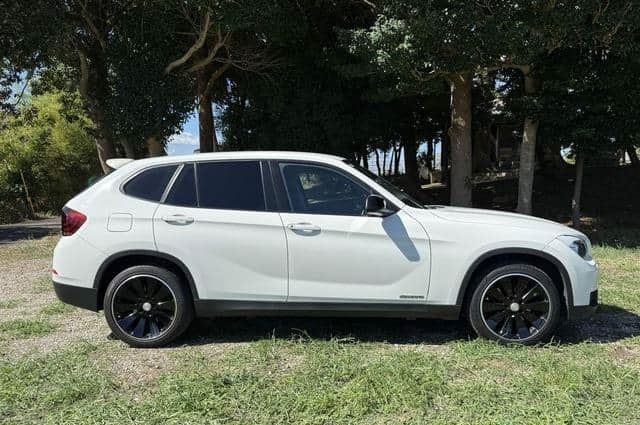
The 2014 BMW X1 is a compact premium crossover that aims to blend BMW driving dynamics with a small SUV’s practicality. This briefing collects the most useful, pragmatic information for buyers, owners, and evaluators: what to look for, typical costs, common issues, and how to run a confident assessment before you sign on the dotted line. If you want numbers tailored to your country or an exact listing price, tell me your location and the car’s asking price/mileage and I’ll run figures.
Quick overview
The 2014 X1 (first-generation E84) is available in rear-wheel-drive (sDrive) and all-wheel-drive (xDrive) variants, with a range of petrol and diesel engines depending on market. The most common configuration in many regions is the 2.0-liter turbocharged four-cylinder. The X1’s compact footprint, higher seating position, and premium interior make it a practical choice for city drivers who want a sporty feel without a full-size SUV’s bulk.
Why consider a 2014 X1?
Engaging handling for the class—steering and suspension prioritize a more “BMW” driving experience.
Compact exterior dimensions with a useful cargo area and flexible rear seats.
Premium options and features available at a lower used price than newer models.
What to check when buying
Use this checklist during a viewing, and especially during a pre-purchase inspection (PPI).
Service history: Full BMW service history is a major plus. Confirm major services were completed on schedule (timing-related maintenance, oil service, transmission service where recommended).
Oil leaks and smoke: Look for oil pooling under the engine, oil on the turbo housing, or blue/white smoke from the exhaust on start-up.
Transmission behavior: Automatic should shift smoothly; manual should have a confident clutch engagement. Hesitation, slipping, or jerking indicate problems.
Steering and suspension: Listen for clunks over bumps, check for uneven tire wear, and assess steering play or vibration at speed.
Turbo and boost: On turbo engines, accelerate briskly to ensure the turbo builds boost without lag, whining, or surge. Excessive smoke under hard acceleration is a red flag.
Electrical items: Test infotainment, navigation, Bluetooth, climate controls, power seats, windows, and any optional features (parking sensors, cameras).
Body and chassis: Check door gaps, panel fit, paint condition, and underside for rust or evidence of major repairs. Verify VIN on multiple plates and in paperwork.
Recalls and TSBs: Run the VIN to check recalls or technical service bulletins and confirm recall work was completed.
Common issues and maintenance considerations
The X1 is generally a solid car when maintained, but several recurring areas deserve attention:
Turbocharged engines: Turbo systems require good oil change discipline—neglected oil can shorten turbo life. Check for oil leaks, blow-by, and boost performance.
High-pressure fuel system and sensors: Some owners report fuel-system and sensor-related faults on turbo models; a full diagnostic check will reveal issues stored in the ECU.
Cooling system components: Water pump, thermostat, and hoses can wear; cooling system failures can be expensive if not caught early.
Electrics and modules: Occasional faults with infotainment modules, sensors, and window regulators are possible—ensure everything works during inspection.
Brakes and tires: Routine wear items—confirm recent service, especially if the car has high mileage.
Ownership costs
Expect higher-than-average running costs compared with non-premium compacts. Genuine BMW parts, dealer labor rates, and specialized diagnostics add up. Typical ownership costs to budget for:
Regular petrol/diesel and oil services — use high-quality oil and follow BMW recommendations.
Brake pads/rotors, tires, and suspension wear items.
Occasional electronic diagnostics and software updates at an independent BMW specialist or dealer.
Potential for larger repair bills if turbo, transmission, or cooling components fail (which emphasizes the value of a PPI and verified service history).
Fuel economy & practical use
Fuel economy depends on engine and driving style. Expect combined figures in a broad range: roughly 22–30 mpg (US) / 5.5–8.5 L/100 km depending on petrol vs diesel, city vs highway, and drive configuration (sDrive vs xDrive). The X1 is compact enough for urban driving and offers practical cargo and passenger space for daily use and light touring.
Valuation & negotiation tips
Compare multiple listings in your market—options, mileage, and service history cause wide price variation.
Use the inspection checklist as leverage—any faults found can justify a lower offer or require seller repairs prior to purchase.
Factor in upcoming maintenance milestones (e.g., major service or timing-related work) when calculating a fair price.
Request any outstanding recall work documentation and confirm that repairs were done at an authorized center.
Test-drive focus
On the test drive, vary speed and load: start cold, drive through city conditions, then take a higher-speed section to evaluate stability and highway behavior. Listen for unusual noises on acceleration and over bumps, and check that steering is responsive and brakes are firm without vibration.
Pre-purchase inspection (PPI)
A PPI by an independent BMW specialist is highly recommended. A qualified technician will scan for stored fault codes, pressure-test the cooling system, inspect the turbo and exhaust system, check for oil contamination, and evaluate the transmission and suspension condition. The modest cost of a PPI can save hundreds or thousands in post-sale repairs.
Final thoughts
The 2014 BMW X1 is a practical, compact premium crossover that rewards careful selection. When well-maintained, it offers engaging driving dynamics, useful everyday practicality, and a premium interior at a used-car price point. The most important steps for a buyer are verifying service history, performing a thorough test drive, and commissioning a pre-purchase inspection. Factor in higher ownership costs than mainstream compact crossovers, and be especially diligent about turbo and cooling-system checks. If you want numbers tailored to your country or an exact listing price, tell me your location and the car’s asking price/mileage and I’ll run figures.
Frequently Asked Questions (FAQs)
Q: Is the 2014 BMW X1 reliable?
A: Reliability is generally acceptable for a premium compact when the car has been properly maintained. Expect better long-term reliability from vehicles with documented service histories and regular oil and coolant maintenance. Neglected examples may present more costly repairs.
Q: How expensive is maintenance?
A: Maintenance costs are higher than average for mainstream compact vehicles due to premium parts and diagnostic needs. Routine servicing is manageable, but major repairs (turbo, transmission, cooling) can be costly. Independent BMW specialists are often cheaper than dealerships for routine work.
Q: Should I get a diesel or petrol X1?
A: Diesel variants tend to offer better fuel economy and torque for long-distance driving, while petrol (turbocharged) models are often smoother and cheaper to maintain in some markets. Choose based on your driving pattern, local fuel prices, and emissions regulations in your area.
Q: Are there any common safety issues?
A: No widespread safety failures are specific to the 2014 X1, but always verify that recall work has been completed and check local crash-test ratings for your region. Inspect safety features such as airbags, ABS, and stability control during the PPI.
Q: How do I get a tailored valuation?
A: Provide your country/region, the car’s asking price, mileage, trim/options, and condition details. I can then run a localized valuation comparison, estimate running costs, and suggest a negotiation range.
If you’d like a personalized analysis, share the location, listing price, mileage, and any service history notes and I’ll calculate suggested valuations and estimated annual ownership costs for your market.
As an experienced car inspector based in Uganda, I’ve seen firsthand how crucial it is for buyers to evaluate a vehicle’s performance and efficiency based on their unique driving conditions....
Below is a concise, practical overview of ownership costs for a 2021 BMW X1 (typical 2.0L turbo models found in the US and many other markets). If you want numbers...
The 2022 BMW X1 is a subcompact luxury crossover that attracts buyers who want BMW driving dynamics and upscale interior feel in a smaller, practical package. Owners consistently praise its...
Importing a used BMW X1 (2016) into Uganda can be a great way to get a premium compact SUV at an attractive price. This guide focuses on where to buy,...
Family owned dealership of new and pre-owned vehicles with several locations across the Uganda. Lowest prices and the best customer service guaranteed.
You're almost there, select at least one more to compare!
We use cookies to ensure that we give you the best experience on our website. If you continue to use this site we will assume that you are happy with it.
You can revoke your consent any time using the Revoke consent button.