Buying a 2011 MINI from the R56 (hatch), R55 (Clubman) or R57 (convertible) generation can be fun and rewarding—these cars are compact, engaging and stylish. Use this short, practical guide at viewings, on test drives and when checking listings to help assess condition, risk and value.
Quick preparation (before you go)
Bring a friend or mechanic if you can. A second pair of eyes helps spot issues.
Check the listing for VIN, full service history and MOT/inspection history (if relevant to your market).
Compare advertised mileage with MOT/service records. Large unexplained gaps or sudden big jumps are red flags.
Confirm which model: R56 = 3‑door hatch, R55 = Clubman (longer body, split rear doors), R57 = convertible. Each has specific checks below.
Exterior and bodywork (viewing)
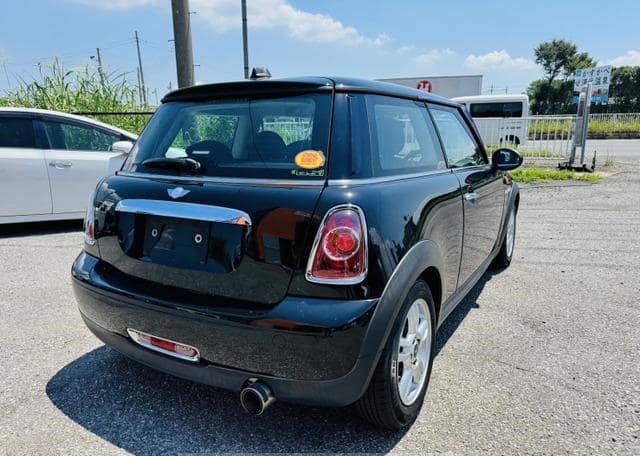
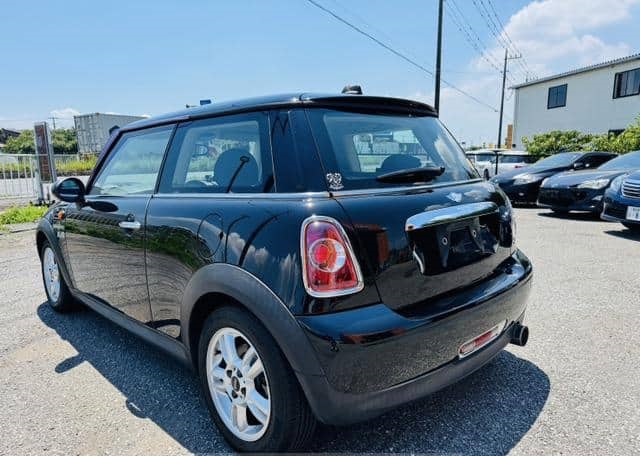
Look for panel gaps and paint differences that suggest repairs. Check the pillars and roofline carefully—these areas are easy to inspect visually.
On Clubman (R55) check the split rear doors: hinges, seals and alignment. Doors should close evenly with no dragging.
For convertibles (R57) inspect the fabric or folding roof for tears, pinholes, water stains and proper sealing at the rear glass. Test roof operation electrically—listen for slow or labored pumping sounds.
Check wheel arches, sills and underneath for corrosion or heavy scuffs—MINI panels can show previous kerb damage.
Tyres: even wear across each tyre and similar tread depth on all four suggests good maintenance; mismatched tyres may mean uneven suspension wear or budget repairs.
Interior and electrics (viewing / ignition on)
Check basic electrics: central locking, all windows up/down, dash illumination, climate controls, and infotainment functions. Warning lights that stay on after start are a problem.
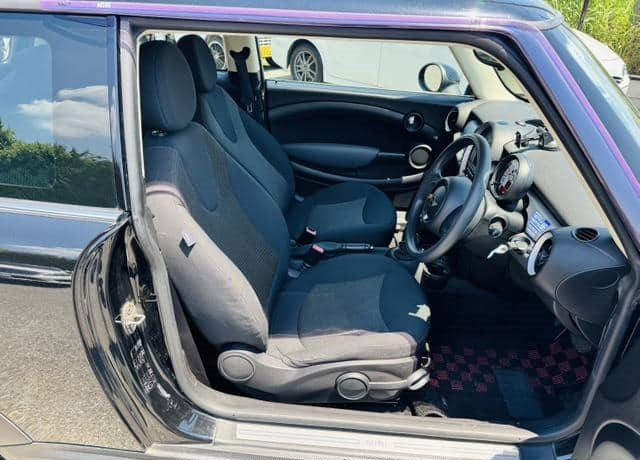
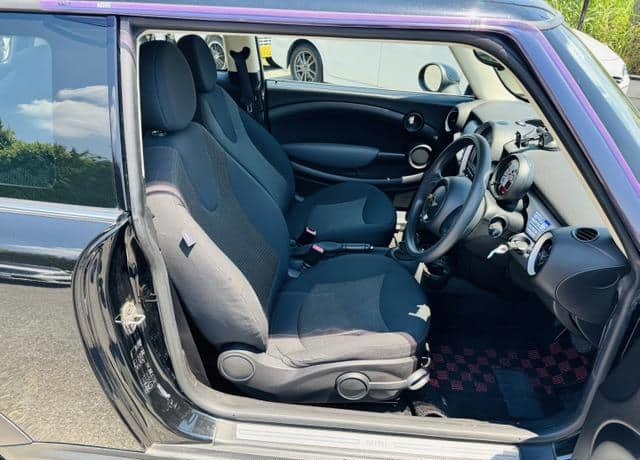
Look for excessive wear on the steering wheel, gear knob and driver seat—high wear with low claimed mileage is suspicious.
Smell the interior for mustiness (water ingress) or strong air fresheners (which may hide odours).
R56/R55/R57 may have features like heated seats and parking sensors—verify they work.
Engine bay and underbody (viewing)
Check for obvious fluid leaks around the engine, oil filter housing area and gearbox. Fresh wet oil or coolant stains need explanation.
With the engine cold, look for corroded piping, split hoses and brittle vacuum lines.
Check the oil level and condition if possible—milky oil can indicate coolant contamination; very low oil is bad for turbocharged variants.
Battery age and terminals: corrosion or a very old battery may indicate short ownership or minimal use.
On the test drive
Start cold and warm the car up. Note start-up noises, rough idling, excessive smoke or long cranking.
Listen for tapping, knocking or rattles—engine noises that change with RPM or load can indicate internal wear.
Accelerate across the rev range. Turbo models should build power smoothly; lag, popping, or intermittent boost could mean vacuum leaks, turbo or intercooler hose issues.
Test the clutch for slipping and smooth bite (manual). Hesitant engagement or a high biting point suggests wear or need for clutch replacement.
For automatics or automated manuals, watch for smooth and consistent shifts. Hesitation, jerking or delayed engagement require closer inspection.
Check steering: free play, knocking over bumps, and a wandering feel down the road indicate worn steering components or alignment problems.
Listen for suspension clunks on bumps—worn bushes, drop links or dampers are common with age and mileage.
Test brakes from various speeds—spongy pedal, pulling to one side, or vibrations under braking are faults that need addressing.
Paperwork and history checks (at listing / before purchase)
Service history: look for regular oil changes and timing of major services. Pay attention to documentation for any engine or turbo work, clutch replacement, and gearbox repairs.
Check MOT or inspection advisories for recurring faults—multiple advisories for the same area suggest unresolved problems.
Run the VIN through a vehicle history check (accidents, outstanding finance, recorded odometer changes).
Confirm recalls or service campaigns with a dealer—some safety or emission-related items may have been updated free of charge.
Model-specific notes
R56 (hatch): compact and sporty—check for oil leaks and turbo hoses on forced-induction engines; interior trim wear is common.
R55 (Clubman): extra length and unique rear doors—inspect rear door seals, hinges and floor area for moisture.
R57 (convertible): convertible roof hydraulics and seals require attention—test operation multiple times and check for water ingress in the boot and rear seats.
Pricing and negotiation tips
Factor in likely maintenance: suspension, brakes, tyres, and routine service if the car is over 10 years old and/or high mileage.
Request a pre‑purchase inspection (PPI) from a MINI specialist if you’re serious—this can reveal hidden faults and strengthen negotiation.
Use documented faults or upcoming service needs to negotiate price or ask the seller to remedy items before purchase.
Final thoughts
A 2011 MINI from the R56/R55/R57 family can be a great small car if it has been looked after. Focus on service history, visible leaks, suspension and clutch/gearbox behavior on the test drive, and convertible roof condition for R57s. Take the time to check documentation and run a VIN/history check. If anything feels off or maintenance has been deferred, budget for repairs or walk away—there are many well‑kept examples out there.
FAQs
Q: How important is full service history?
A: Very important. Regular oil changes and documented servicing reduce the likelihood of costly engine or turbo issues. Gaps don’t automatically mean trouble, but they increase risk.
Q: Should I get a pre‑purchase inspection?
A: Yes—especially for higher mileage cars or if you’re unsure about mechanical condition. A MINI specialist will find issues you might miss.
Q: What are the most common expensive repairs?
A: Typical costly items include clutch and dual‑mass flywheel replacement (manuals), major turbo or intercooler work, gearbox repairs, and convertible roof hydraulics on R57s. Doing a PPI helps quantify potential costs.
Q: Is high mileage a dealbreaker?
A: Not always. A well‑maintained high‑mileage car can be better than a low‑mileage one with poor service history. Evaluate condition and service records, not just the odometer.
Tip: Use this guide as a compact checklist at viewings and on test drives. If in doubt, walk away or arrange a specialist inspection—MINIs are fun to own when bought right.
Specs and real‑world impressions change a bit by model and transmission. Below is a concise, model‑agnostic overview that covers what most owners notice about 2008 MINIs — if you tell...
The 2013 MINI Clubman (R55-era) is a practical and characterful small estate based on the second-generation MINI platform. This summary gives a concise, practical look at typical ownership costs and...
Do you mean a 2015 MINI Clubman (F54) and if so which engine/market (Cooper 1.5 petrol, Cooper S 2.0 petrol, diesel, US/UK/EU)? I can give more precise numbers if you...
The 2021 MINI Clubman (F54) is fun, practical and characterful, but like any modern car it rewards regular attention. This compact guide focuses on the highest-value upgrades, smart tyre choices,...
Family owned dealership of new and pre-owned vehicles with several locations across the Uganda. Lowest prices and the best customer service guaranteed.
You're almost there, select at least one more to compare!
We use cookies to ensure that we give you the best experience on our website. If you continue to use this site we will assume that you are happy with it.
You can revoke your consent any time using the Revoke consent button.