Specs and real‑world impressions change a bit by model and transmission. Below is a concise, model‑agnostic overview that covers what most owners notice about 2008 MINIs — if you tell me which variant you’re looking at I can give exact EPA numbers and variant‑specific notes.
Quick orientation
The 2008 MINI family is built around a small, two‑box platform with taut handling and a distinct, retro‑inspired interior. The lineup around that year included the base Cooper (small, lightweight, naturally aspirated 1.6L engine), the higher‑performance Cooper S (factory supercharged 1.6L for 2008 markets), the Clubman (a slightly longer, more practical two‑door with asymmetric rear doors), and the Convertible (soft‑top roof for open‑air driving). Transmissions commonly found are manuals and automatics; exact gearing and fuel figures vary by combination.
Driving character and performance
Across the range the MINI delivers a “go‑kart” sensation: quick steering, a short wheelbase, and a chassis tuned for agility. That character is the car’s strongest selling point.
Base Cooper: Light and nimble, with adequate power for daily driving. It’s the most economical and easiest to live with in town.
Cooper S: The S adds a much stronger rush of power and a sportier soundtrack. Expect sharper throttle response and a more engaging drive — but also the potential for higher repair and maintenance costs tied to the performance hardware.
Clubman: Drives like the hatchback but with a slightly more stable, planted feel due to the additional length. The extra cargo and rear entry orientation make it a more practical choice for many.
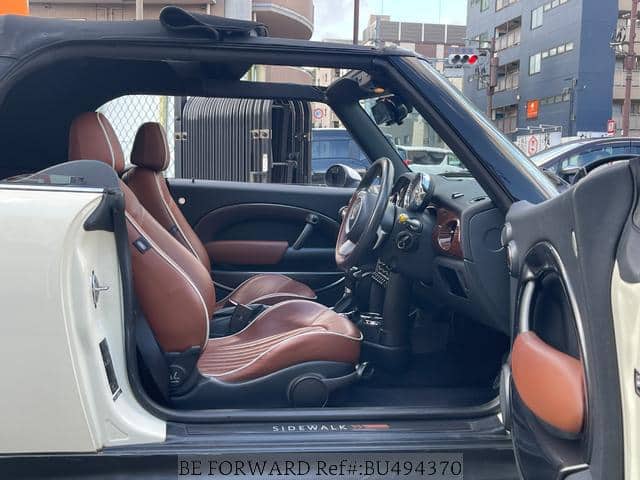
Convertible: Heavier than the coupe/hatchback and a touch less rigid, but the open‑top experience is a big reward for buyers who value that feature.
Real‑world fuel economy & transmissions
Economy depends heavily on engine, transmission and whether the car is a Cooper or Cooper S. Manuals typically feel more lively and can yield slightly better mpg in careful hands, while automatics provide convenience at the cost of some efficiency. If you want exact EPA or real‑world numbers, tell me the model and transmission and I’ll pull the specific figures.
Interior, comfort, and packaging
The 2008 MINI interior is stylistically bold: large center speedo (depending on trim), toggle switches, and premium surface treatments for its class. Materials and fit can feel upscale compared with mainstream subcompacts, but space is tight:
Front seats are comfortable and supportive for spirited driving.
Rear seats are best for short trips or children — legroom and seat width are limited in the hatchback and convertible.
The Clubman noticeably improves cargo volume and rear access with its split rear doors and longer body.
Small storage nooks are clever but not abundant; expect to plan packing carefully for longer trips.
Build quality, reliability & maintenance
MINIs from this era are generally well‑built but are also somewhat higher‑maintenance than many economy cars. Common owner observations include:
Routine maintenance intervals should be followed closely; service costs at dealerships tend to be higher than for mainstream brands.
Typical wear items — brakes, suspension bushings, control arms — may need replacement sooner than on larger, softer‑riding cars because of the firmer setup.
Some owners report oil seepage from valve cover gaskets and other aging seal points; cooling system components (water pump/thermostat) are items to inspect on higher‑mileage cars.
Performance models (Cooper S) can have additional service items associated with the supercharger and related components — verify service history.
Independent European specialists who know MINIs can offer good value for repairs, but verify that diagnostic work is thorough — modern MINI systems can mask underlying issues if not checked properly.
Common issues to check when buying used
If you’re shopping for a 2008 MINI, have a pre‑purchase inspection focus on:
Service records — look for regular oil changes and documented attention to known service bulletins.
Drivetrain noises — clattering timing components or supercharger whine that sounds unusual.
Transmission and clutch condition — manuals should shift cleanly; automatics should not slip or hesitate.
Convertible top operation and seals (for the Convertible) — inspect for leaks and motor/trim issues.
Body and chassis — check for corrosion and look at suspension mounting points and subframes for wear or repairs.
Practical ownership tips
Find a trusted independent MINI mechanic if dealer costs are a concern — many shops specialize in European small cars and can save money without sacrificing expertise.
Keep receipts and records — resale value and reliability perception improve with documented maintenance.
Consider the driving priority — choose a Cooper for economy and simplicity, a Cooper S for excitement, a Clubman for practicality, and a Convertible if open‑air driving is a must.
Value and why people buy them
Buyers choose 2008 MINIs for style, personality, and driving fun. They appeal to people who prioritize handling and interior character as much as pure practicality. If you want a compact, engaging commuter with a unique personality and don’t mind slightly higher upkeep, a 2008 MINI can be very rewarding.
Final thoughts
The 2008 MINI lineup delivers a distinctive blend of sharp handling, retro styling, and spirited engines. Differences between the hatchback, Cooper S, Clubman and Convertible mainly affect power, practicality and ride feel — not the core personality. Before buying, focus on service history, common wear items, and a thorough inspection. Tell me which exact variant and transmission you’re considering (e.g., 2008 Cooper S manual hatch, 2008 Clubman automatic, etc.) and I’ll provide precise EPA fuel numbers, trim‑specific notes, and targeted inspection points.
FAQs
Q: Which 2008 MINI is the most practical for daily use?
A: The Clubman is the most practical thanks to its longer body and additional cargo/passenger flexibility. If you need the absolute most cargo and easier rear access, the Clubman is the best choice.
Q: Are 2008 MINIs reliable?
A: They are generally well‑engineered but require attentive maintenance. Expect higher service costs than mainstream compact cars, and check for known wear items and thorough service records on used examples.
Q: Is the Cooper S worth the extra cost?
A: If you value performance and engagement, yes — the S provides significantly more power and a more exciting driving experience. Keep in mind the higher running and repair costs that can accompany performance hardware.
Q: How is rear seat space?
A: Rear seating is tight in the hatchback and convertible. The Clubman improves rear passenger comfort modestly but this is not a family sedan; it’s best for occasional rear passengers or short trips.
Q: Can you give exact EPA mpg numbers?
A: I can — if you tell me the specific variant and transmission (for example: 2008 MINI Cooper hatchback, 5‑speed manual; or 2008 MINI Cooper S Convertible, automatic), I’ll provide precise EPA ratings and real‑world expectations.
If you want detailed specs or targeted buying advice for a particular 2008 MINI model and transmission, tell me which one and I’ll follow up with exact figures and variant‑specific notes.
The 2013 MINI Clubman (R55-era) is a practical and characterful small estate based on the second-generation MINI platform. This summary gives a concise, practical look at typical ownership costs and...
Buying a 2011 MINI from the R56 (hatch), R55 (Clubman) or R57 (convertible) generation can be fun and rewarding—these cars are compact, engaging and stylish. Use this short, practical guide...
Do you mean a 2015 MINI Clubman (F54) and if so which engine/market (Cooper 1.5 petrol, Cooper S 2.0 petrol, diesel, US/UK/EU)? I can give more precise numbers if you...
The 2021 MINI Clubman (F54) is fun, practical and characterful, but like any modern car it rewards regular attention. This compact guide focuses on the highest-value upgrades, smart tyre choices,...
Family owned dealership of new and pre-owned vehicles with several locations across the Uganda. Lowest prices and the best customer service guaranteed.
You're almost there, select at least one more to compare!
We use cookies to ensure that we give you the best experience on our website. If you continue to use this site we will assume that you are happy with it.
You can revoke your consent any time using the Revoke consent button.