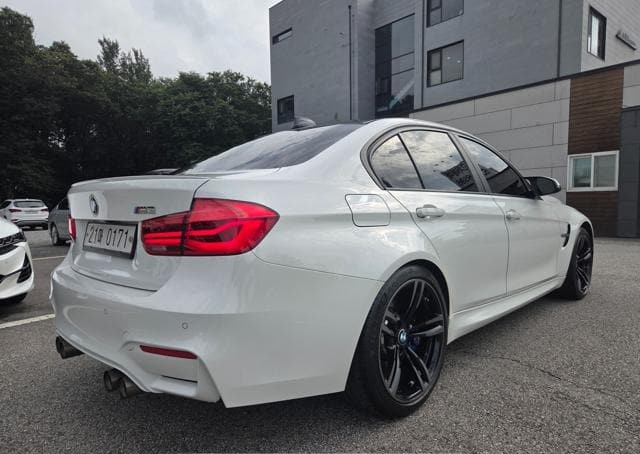
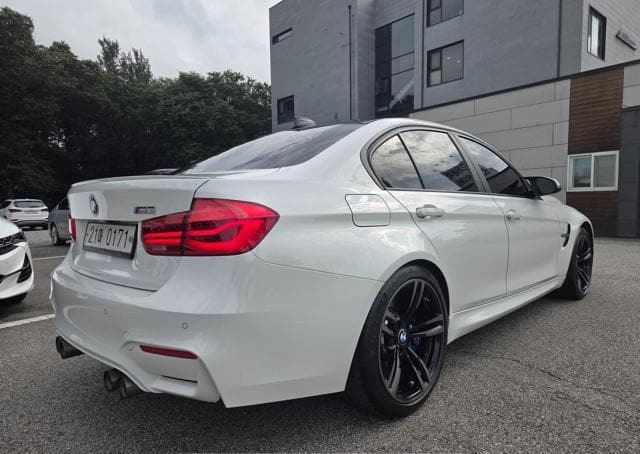
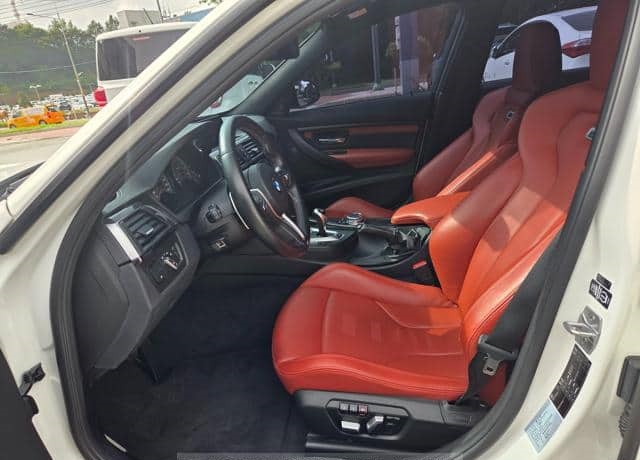
Buying a 2017 BMW M3 in Uganda is exciting but it comes with special financing and import considerations. This article provides practical, Uganda-specific advice to help you prepare, understand what banks usually require, check the car properly, manage taxes and import clearance, negotiate the loan, and gather the right documents. The guidance is also useful for car dealerships working with customers who want finance.
1. Preparation: Know the total cost and affordability
Before you start applying, calculate the total landed cost and running costs of a BMW M3. Beyond the sale price, include customs duties and VAT, clearing and forwarding, transport to Kampala, vehicle inspection and valuation fees, insurance (comprehensive for a high-performance car), registration, fuel (high-octane), service and spare parts (often imported and expensive), and higher annual roadworthiness or licensing fees.
Get pre-approved or at least pre-qualified by a bank. A pre-approval shows sellers you’re serious and helps you gauge the loan size, deposit required, interest rate and maximum loan term.
2. What banks in Uganda typically require
Deposit / down payment: Many lenders expect a down payment — often 10–30% depending on the bank’s policy, the vehicle’s age and your credit profile.
Loan-to-value (LTV): Banks limit LTV on used vehicles. Luxury or high-performance cars like the M3 may attract stricter LTVs or require larger deposits.
Age of the vehicle: Some banks have maximum age limits (e.g., not older than 8–10 years at the end of the loan). Confirm the bank’s policy for a 2017 model.
Repayment capacity: Provide payslips, employer letter, bank statements (usually 3–6 months), or audited accounts if self-employed.
Credit history: Banks will check your Credit Reference Bureau (CRB) report. Clear outstanding defaults before applying.
Collateral: The car itself is typically the security (hire purchase). For larger loans, banks may ask for additional guarantors or property security.
Insurance: Lenders require comprehensive motor insurance with the bank as loss payee.
3. Vehicle checks — what to inspect and verify
For a high-value used BMW, do these checks before committing:
VIN / chassis and engine numbers: Verify these match the logbook and import documents. Check for signs of tampering.
Service history: Full documented service history from authorised BMW service centres is ideal. Look for major repairs or recurring faults.
Mechanical inspection: Hire an independent, qualified mechanic familiar with BMW M cars to inspect engine, turbo/suspension, brakes, electrics and gearbox.
Accident and structural damage: Get a professional inspection and, where possible, vehicle history checks to spot serious repairs.
Odometer consistency: Check that mileage is consistent with service stamps and overall condition.
Right-hand vs left-hand drive: Ensure the car’s steering configuration matches Uganda’s left-side driving rules (right-hand drive vehicles are standard). Importing left-hand drive cars may have additional restrictions or require special approvals.
Test drive: Drive under varied conditions to check handling, braking and transmission behaviour.
4. Taxes and import issues (Uganda context)
Used import rules and duties change, so always confirm with Uganda Revenue Authority (URA) and a licensed clearing agent. Key points:
Import duties, excise and VAT: These can significantly increase the price of an imported car. Ask the dealer or clearing agent for a full landed cost estimate before you buy.
Customs clearance: A clearing agent handles Bill of Lading, manifest, inspection and payment of duties. Make sure all documents are authentic and the car is cleared legally.
Compliance and emissions: Confirm the car meets local standards and any required roadworthiness checks.
Dealer responsibilities: Reputable dealers should provide accurate import documents, a pro forma invoice, and assist with clearance or recommend trusted clearing agents.
5. Negotiating the loan and the deal
Whether you’re buying from a dealership or a private seller, negotiation happens on two fronts — the car price and the loan terms. Tips:
Get several quotes: Compare interest rates, fees (origination, valuation, legal), loan terms and LTV across multiple banks and dealer finance options.
Negotiate the purchase price first: Settle on the price before discussing financing to avoid dealer markup disguised as finance packaging.
Ask about hidden fees: Clarify administrative fees, inspection/valuation fees, legal fees, early repayment penalties and repossession terms.
Consider loan structure: Compare hire purchase vs motor loan vs lease-to-own. Hire purchase is common — the lender holds the logbook until you finish payments.
Prepayment and refinancing: Ask about the ability to prepay without heavy penalties or to refinance later if rates fall.
6. Documents checklist (for buyer and dealership)
Make sure you and the dealer provide the following documents to smooth bank approval and registration:
Buyer’s national ID (or passport) and National Identification Number (NIN)
Letter of employment and payslips (last 3 months) or audited accounts & tax returns for self-employed
Bank statements (last 3–6 months)
Credit Reference Bureau (CRB) report (or consent for bank to pull it)
Proof of residence (utility bills, tenancy agreement)
Dealer pro-forma invoice / sale agreement
Vehicle import documents: Bill of Lading, commercial invoice, customs clearance & URA documents
Independent valuation report and mechanical inspection report
Insurance cover note showing comprehensive cover and bank as loss payee
Guarantor documents (if required): IDs, payslips, bank statements
Title deed (if using property as security)
7. Final practical tips
Work with reputable dealers and licensed clearing agents. Check dealer reputation and feedback from prior customers.
Get independent mechanical and valuation reports before signing finance documents.
Understand your total monthly commitment (loan repayment + running costs) and don’t overstretch your budget.
Confirm bank policies on luxury/high-performance vehicles — some banks are conservative and may require extra security or larger deposits.
Keep copies of all documents and receipts throughout the import and purchase process.
If you are a dealer offering finance options, present clear cost breakdowns, assist customers with pre-approval, and partner with transparent banks and insurers.
Buying a 2017 BMW M3 in Uganda is doable if you prepare properly, verify the car and import paperwork, understand bank requirements, and negotiate both price and financing. When in doubt, consult the bank, URA and an independent automotive expert to avoid costly mistakes.
The BMW M3 2021 is celebrated for its exceptional performance and cutting-edge technology, making it a standout in the luxury sports car segment. However, Uganda’s diverse road conditions present unique...
The 2010 BMW M3 with the S65 4.0L V8 is a compelling performance car—driver-focused, mechanically raw, and very engaging. That desirability means you’ll see many examples offered by private sellers...
Quick note: the 2008 M3 uses BMW‘s S65 4.0L naturally aspirated V8 (≈414 hp). If you want personalized cost and lifespan numbers, tell me your country/zip, mileage target, and transmission...
This practical checklist is designed for dealers and serious buyers evaluating a 2021 BMW M3 (G80). Use it at the dealership and again before finalizing any purchase to make sure...
Family owned dealership of new and pre-owned vehicles with several locations across the Uganda. Lowest prices and the best customer service guaranteed.
You're almost there, select at least one more to compare!
We use cookies to ensure that we give you the best experience on our website. If you continue to use this site we will assume that you are happy with it.
You can revoke your consent any time using the Revoke consent button.