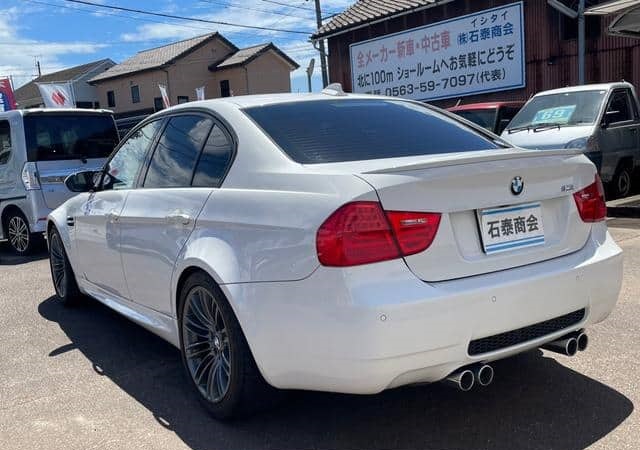
The 2010 BMW M3 with the S65 4.0L V8 is a compelling performance car—driver-focused, mechanically raw, and very engaging. That desirability means you’ll see many examples offered by private sellers and dealers, often modified. This guide highlights the most important trims and options, known mechanical weak points, what to check before you buy, and what paperwork and tests you should insist on.
Key trims and popular options to know
Body styles: E90 (sedan), E92 (coupe), E93 (convertible). Coupe is often prized for balance and optional carbon fiber roof; convertible commands a slight premium for the top.
Transmissions: 6‑speed manual or the optional 7‑speed dual‑clutch (M‑DCT). Manuals are simpler and favored by purists; the DCT shifts faster but is costlier to repair if abused.
Competition Package: Common option that raises power slightly, tightens suspension, and often includes different dampers, wheels and a more aggressive chassis tune. Desirable for performance but adds wear risk if driven hard.
Carbon Fiber Roof: Coupe‑only option that reduces weight up high and looks sharp—check condition of the clearcoat and mounting area.
Premium and Technology Packages: Guidance, upgraded audio, heated seats and park distance control (PDC) are typical; verify electronics and sunroof/top operation for convertibles.
Known mechanical weak points
No modern performance car is faultless; the E9x M3 has a few recurring issues prospective buyers should be aware of.
Rod bearing wear: The S65 V8 is known to develop rod bearing wear that can lead to knocking and catastrophic engine failure if ignored. Symptoms include metallic knocking, especially on cold start or during hard acceleration. Many owners proactively replace bearings between 50k–100k miles depending on use.
Oil leaks: Valve cover gaskets, oil filter housing gasket and front/rear crank seals are common leak sources. Check for oil on the engine and underside.
Cooling system components: Electric water pumps, thermostats and coolant hoses can fail with age. Overheating risks serious engine damage.
DCT/mechatronics (if equipped): While the 7‑speed DCT is fast, clutch packs and mechatronics can be expensive to service. Ask about transmission service history.
Subframe and bushings: Rear subframe mounting points and control‑arm bushings can show wear, especially on cars driven hard or modified. Inspect for cracks, tears, or uneven tire wear.
Convertible top issues (E93): Hydraulic actuation, seals and electronics can age; check for leaks, odd noises and fitment problems.
Aftermarket modifications: Many M3s have tuning, intakes, exhausts or turbo conversions. Modifications can shorten engine life if not properly installed and maintained.
What to check before you pay
Bring a checklist and, ideally, a BMW‑specialist mechanic for a pre‑purchase inspection (PPI). At minimum verify the following:
Service history: Complete oil change records using correct spec oil (BMW long‑life or equivalent). Frequent, documented oil changes are a good sign.
Engine noise: Listen cold and hot for knocking from the bottom end (rod bearing noise). Any consistent metallic knock is a red flag.
Oil analysis or borescope: If oil analysis or borescope inspection is available, it can reveal metal debris or early bearing wear.
Compression/leak‑down test: Helps detect internal wear or valve issues.
Cooling system pressure test: Confirms there are no hidden leaks and that the radiator and hoses are sound.
Transmission check: For manuals, test clutch for slipping and engagement feel. For DCTs, look for harsh or delayed shifts unless mapping/options explain it, and ask for DCT fluid service records.
Suspension and subframe inspection: Check for cracked or deformed subframe mounts, corroded bolts, torn bushings and uneven tire wear.
Electronics and options: Test all electronics — windows, seats, navigation, PDC, DSC/ABS lights — and the convertible top on E93s.
Signs of track use: Excessive brake, tire, and suspension wear or heavily scuffed bodywork may indicate track abuse. Track history is not a disqualifier but changes expectations on condition and price.
Paperwork and tests to insist on
Solid documentation reduces risk. Insist on:
Full service records and invoices: Prefer independent M specialists or BMW dealer documentation. Look for rod bearing, DCT clutch, and cooling system work records.
Title history and vehicle reports: CARFAX/AutoCheck to reveal salvage, accident, or mileage discrepancies.
Pre‑purchase inspection (PPI) by a BMW/M specialist: A detailed written report is worth the fee; it can uncover engine/gearbox concerns and subframe issues.
Oil analysis or borescope report: Particularly valuable for engines with higher miles; asks specifically about metal content and bearing wear indicators.
Compression/leak‑down and cooling pressure test results: Provide insight into long‑term engine health.
Receipts for DCT fluid service or clutch replacement: DCT servicing is critical for longevity—ask for dates and mileage.
Documentation of any modifications: Dyno sheets, installer receipts and software maps. If tuned, verify who performed the tune and why.
Warranty/extended coverage paperwork: If available, review exclusions—some warranties exclude pre‑existing internal engine wear like rod bearings.
Final thoughts
The 2010 BMW M3 (E90/E92/E93) remains one of the most rewarding driver’s cars. However, the combination of a high‑revving V8 and enthusiastic ownership history means you must be diligent. Prioritize cars with full service history, recent inspections, and clear documentation of any major work (especially rod bearings and DCT service). If you prefer lower risk and simpler maintenance, a well‑maintained 6‑speed manual with documented care is often the best buy. For modified cars, insist on receipts and dyno data and factor in the additional maintenance and reliability risk.
FAQs
Q: Is the S65 V8 reliable?
A: The S65 is a strong, high‑revving engine but it’s not immune to wear—rod bearing issues and oil leaks are the most common major concerns. Regular, timely service and careful ownership mitigate many risks.
Q: Manual or DCT — which should I choose?
A: If you want simplicity and lower repair costs, the 6‑speed manual is preferable. The 7‑speed DCT offers ultra‑fast shifts and better lap times but can be expensive to repair and requires specific service intervals.
Q: How much does a rod bearing job cost?
A: Costs vary by region and shop, but expect several thousand dollars (often $6k–$12k) because the engine is removed or partially disassembled. Prices increase if additional parts need replacement.
Q: Are heavily modified M3s a bad buy?
A: Not always, but they carry higher risk. Mods can stress the engine and drivetrain. Require detailed receipts, dyno sheets, and preferably a PPI focused on the modified components.
Q: What mileage is safe for buying one?
A: Mileage alone isn’t everything—maintenance history is. A well‑serviced 80k mile car with receipts and recent rod bearing/DCT service can be better than an unmaintained 30k mile example.
If you’d like, I can provide a printable PPI checklist tailored for the E90/E92/E93 M3 or a shortlist of specialist shops and common service intervals to request from the seller.
The BMW M3 2021 is celebrated for its exceptional performance and cutting-edge technology, making it a standout in the luxury sports car segment. However, Uganda’s diverse road conditions present unique...
Quick note: the 2008 M3 uses BMW‘s S65 4.0L naturally aspirated V8 (≈414 hp). If you want personalized cost and lifespan numbers, tell me your country/zip, mileage target, and transmission...
This practical checklist is designed for dealers and serious buyers evaluating a 2021 BMW M3 (G80). Use it at the dealership and again before finalizing any purchase to make sure...
As an experienced car inspector based in Uganda, I have encountered a variety of vehicles and the unique demands placed upon them by our diverse landscapes. The BMW M3 2010,...
Family owned dealership of new and pre-owned vehicles with several locations across the Uganda. Lowest prices and the best customer service guaranteed.
You're almost there, select at least one more to compare!
We use cookies to ensure that we give you the best experience on our website. If you continue to use this site we will assume that you are happy with it.
You can revoke your consent any time using the Revoke consent button.