


The 2011 AUDI R8 is one of the most rewarding driver’s cars from the early 2010s: mid‑engine layout, striking looks, and engines ranging from the 4.2L V8 to the more ferocious 5.2L V10. But exotic performance comes with above‑average ownership costs and a few model‑specific quirks. This guide gives a practical rundown of expected expenses, maintenance priorities, and a “must‑check” list for shoppers — followed by sample cost examples at the end to help with budgeting.
Quick ownership overview
Expect higher routine and repair bills than a mainstream car. The R8 was built with high-performance components (brakes, tires, suspension, engine internals) and uses premium fuel and factory/dedicated service procedures. You’ll save some money on depreciation compared with new purchase prices, but ongoing running and repair costs remain substantial. Insurance, specialized labor, and parts should be factored in from day one.

Major cost categories
- Routine maintenance: oil changes, filters, brake and transmission fluid, and scheduled inspections. Performed at an AUDI dealer or a specialty shop familiar with high‑end Audis.
- Wear items: tires, brake pads/rotors (standard vs. carbon‑ceramic), clutches (manuals) or transmission repairs (automated manuals), and suspension bushings.
- Consumables: premium gasoline (91–93 octane), specialized fluids, and occasional alignment and balancing.
- Unscheduled repairs: electrical gremlins, coolant leaks, water pump, ignition coils/spark plugs, and engine or transmission component failures — all more expensive than typical passenger cars.
- Insurance and registration: performance car premiums and local taxes/fees add to annual ownership costs.
Things to watch for when buying or owning
Whether you’re shopping used or already own one, prioritize preventative checks and maintenance documentation. Key items to inspect or confirm include:
- Service history: full maintenance records, proof of regular oil changes using manufacturer‑recommended products, and any major repairs documented. Gaps in service history are a red flag.
- Engine and oil behavior: look for oil leaks, check oil level and smell (burning oil), and watch for unusual noises. High‑revving engines can mask symptoms until they’re costly.
- Transmission and clutch: verify smooth shifts and that the clutch isn’t slipping (for manuals). If the car has an automated R‑tronic unit, confirm there are no hesitation or harsh engagement complaints — gearbox repairs are expensive.
- Brake system: check pad thickness, rotor condition, and whether the car has carbon‑ceramic brakes (great longevity but costly to replace if damaged). Look for heat spotting or warpage.
- Tires and suspension: uneven tire wear can indicate alignment or suspension issues. Inspect control arms, bushings, and struts for play, noise, or leaks.
- Cooling system: inspect radiator, hoses, thermostat, and water pump for leaks or replacement history. Overheating can be catastrophic on high‑performance engines.
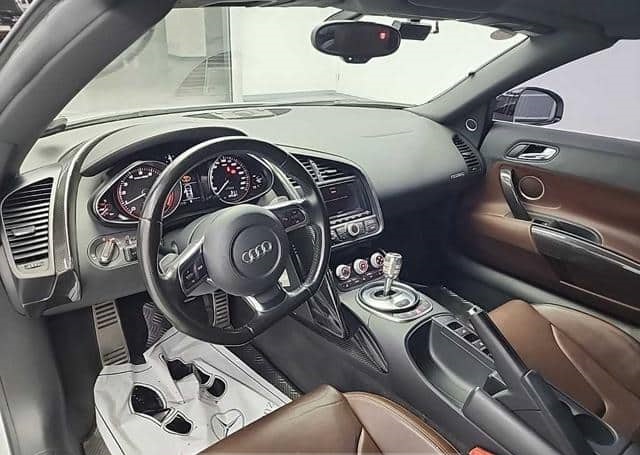
- Electrical and infotainment: test all gauges, backup camera (if equipped), lights, HVAC, and seat adjustments. Electrical faults can be intermittent and costly to diagnose.
- Track use and modifications: many R8s have seen track days. Look for extra wear, aftermarket parts, modified ECU, or non‑OEM engine/transmission work — all increase maintenance risk and cost.
- Accident history and body condition: check for panel gaps, paint differences, and get a vehicle history report. Structural repairs can be expensive and affect safety.
Maintenance tips to control costs
- Use a reputable specialty shop experienced with Audi/LAMBORGHINI platforms for routine and preventive maintenance; they often cost less than dealers and equal in expertise.
- Stay on a strict oil change schedule and use recommended high‑grade synthetic oil to protect the engine.
- If planning to track the car, budget for more frequent brake and tire replacements and consider a dedicated track wheel/tire set to preserve the daily setup.
- Address small issues early — clutch judders, fluid leaks, or minor electrical faults can escalate into expensive repairs if ignored.
Sample cost examples (approximate, USD)
Costs vary by location, condition, and whether you use dealer or independent specialists. These are ballpark figures to help with budgeting.
- Oil change (high‑quality synthetic, filter, labor): $300–$800
- Spark plugs & ignition coil service: $500–$1,500
- Brake pads (per axle) — street pads: $800–$2,500; carbon‑ceramic pad & rotor service: $6,000–$12,000+
- Tires (high‑performance size R8 uses): $350–$900 each
- Clutch replacement (manual): $3,000–$8,000 depending on parts and labor; dual‑clutch/mechatronic transmission repairs: $8,000–$20,000+
- Water pump/cooling job: $800–$2,500
- Major scheduled service or “inspection” event (multi‑point, fluids, belts where applicable): $1,000–$4,000
- Annual insurance (depends heavily on driver history, location): $1,500–$8,000+
- Fuel costs (premium fuel, average use): plan for significantly higher fuel spend than a commuter car (estimate $2,500–$6,000/year depending on mileage)
Final thoughts
The 2011 Audi R8 is an iconic, engaging sports car, but it’s important to enter ownership with realistic expectations. Routine costs are higher than average, and major repairs can be very expensive. A careful pre‑purchase inspection, documented service history, and sensible maintenance plan will go a long way toward controlling ownership costs. If you value the driving experience and budget for the premium maintenance and insurance, the R8 can be an immensely satisfying purchase.
FAQs
- Q: Is the 2011 R8 reliable?
- A: It’s generally robust when well maintained, but reliability depends heavily on past care. Engines are durable, but neglected service or track abuse increases the risk of expensive failures.
- Q: Which engine is cheaper to own: V8 or V10?
- A: The V8 (4.2L) tends to be cheaper for routine maintenance and often has slightly lower running costs. The V10 (5.2L) consumes more fuel and replacement parts (e.g., clutch, brakes) can be costlier due to higher performance specs.
- Q: Should I avoid cars with aftermarket modifications?
- A: Not necessarily, but modifications — especially ECU tunes and engine/transmission upgrades — complicate maintenance and may indicate spirited use. Have a specialist inspect any modified R8 before buying.
- Q: How often should an R8 get serviced?
- A: Follow Audi’s recommended intervals in the owner’s manual and service planner. In practice, owners often service oil and filters every 5,000–10,000 miles and perform larger inspections at manufacturer intervals or yearly.
- Q: Is it worth buying a used 2011 R8?
- A: If you can confirm a clean service history, have a pre‑purchase inspection by a specialist, and accept higher running costs, the 2011 R8 can deliver an exceptional driving experience and value relative to new price.


